News Summary
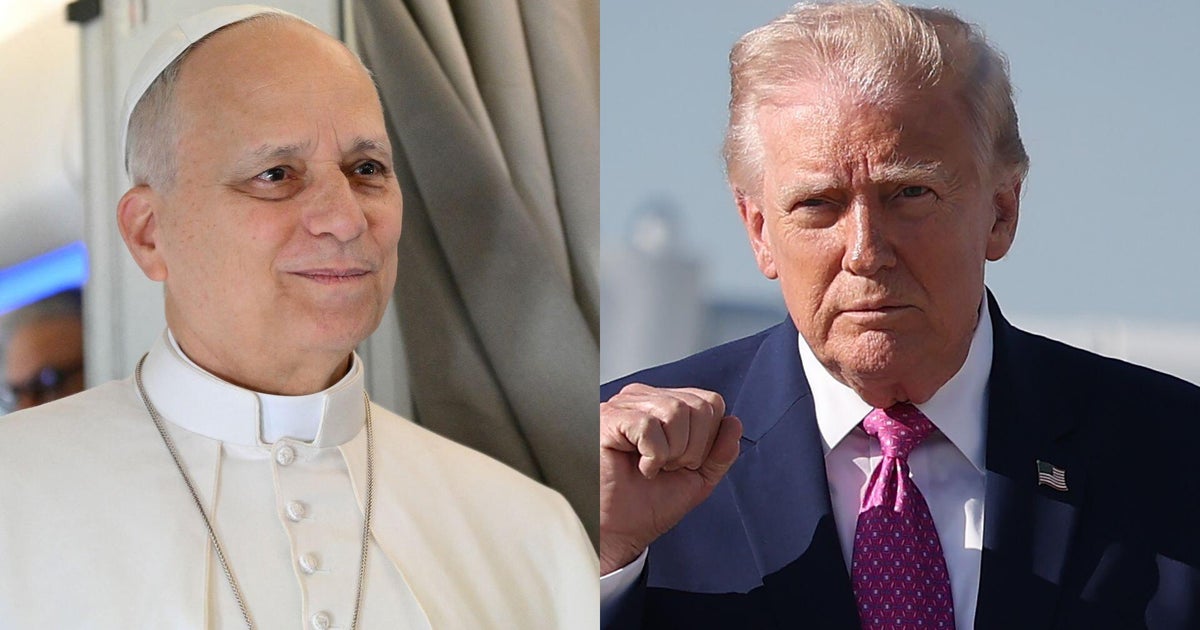
President Donald Trump and Pope Leo XIV engaged in a public exchange of criticisms following the pope's comments about the war between the U.S./Israel and Iran (Operation Epic Fury) and his earlier remarks about U.S. immigration policy and mass deportations. The sequence began after joint U.S. and Israeli airstrikes on Iran on Feb. 28 and the pope's appeals for peace and statements urging parties to stop escalating violence. Pope Leo criticized treatment of immigrants as "extremely disrespectful" and later condemned threats to "destroy Iranian civilization" as "unacceptable." A "60 Minutes" segment that included U.S.-based Catholic cardinals questioning whether the war met Catholic just-war criteria prompted a lengthy post by Mr. Trump on Truth Social calling the pope "WEAK on Crime" and criticizing his views on Iran and immigration; Trump also made unverified claims about the pope's election being influenced by his own presidency and asserted Iran had killed "at least 42,000" protesters (a figure the article notes is unverified). The president repeated his criticisms in remarks to reporters and in interviews. Pope Leo responded that his statements are not personal attacks but flow from the Gospel and the call to be peacemakers. Vice President J.D. Vance, Speaker Mike Johnson, and other U.S. officials publicly defended the administration's policies and pushed back on the pope's statements on war. Iranian President Masoud Pezeshkian condemned Trump's insults toward the pope. Separately, the president posted and later deleted an AI-generated image that some perceived as depicting him in the likeness of Jesus. The article notes there is no evidence the pope has endorsed Iran obtaining nuclear weapons and that Catholic officials have traditionally opposed nuclear arms.
Biblical Reflection
From a Christian perspective, this story highlights the tensions that arise when moral and pastoral critique intersects with partisan politics and national security rhetoric. The pope is exercising a long-standing role of moral witness—calling for peace, urging respect for migrants, and interpreting Christian teaching—while a political leader is defending policies through the language of security and sovereignty. Both sides invoke Christian language and symbols; Christians should be alert to how religious language can be used sincerely for moral instruction or, conversely, as rhetorical cover for political goals. The article shows several concerns worth discerning: (1) unverified facts (the casualty figure cited) and hyperbolic rhetoric can inflame rather than clarify truth; Christians should seek verified information before adopting claims that shape moral judgment; (2) appeals to biblical authority or Christian identity from political leaders require careful testing—Scripture calls leaders to protect the vulnerable and pursue justice (Micah 6:8) and also commends wise stewardship of public order, but it does not license dehumanizing rhetoric or claim religious endorsement for purely political actions; (3) the prophetic role of religious leaders is not the same as partisan politics, yet neither is it outside public responsibility—calling for peace and justice is a legitimate pastoral function even when it provokes political pushback. Practically, the church's witness is diminished when religious language becomes partisan branding. Christians should pray for wisdom, insist on truthful reporting, resist demonizing opponents, and hold both political and religious leaders to biblical standards of justice, humility, and peace.
Scripture in context
This outlook does not yet include contextual Scripture citations. Do not treat a general biblical theme as an exegetical conclusion.
Faithful Response
No prescribed response is offered. Consider the reflection prompts below in your own church context.
Reflection and Discussion
- 1When public figures use Christian language to defend policy or attack opponents, what criteria will you use to test whether those appeals reflect biblical truth or partisan interest?
- 2How does the exercise of a prophetic, moral voice by religious leaders differ from partisan political speech, and what responsibilities do Christians have when those spheres clash?
- 3What steps can you take to avoid adopting unverified claims or inflammatory rhetoric when forming a moral judgment about a complex international conflict?
Sources
Reporting links are evidence inputs; Sanctuary News' biblical reflection is commentary.
This outlook currently relies on fewer than two linked sources. Broaden verification before teaching from it.
- 1.Original reportprimary