News Summary
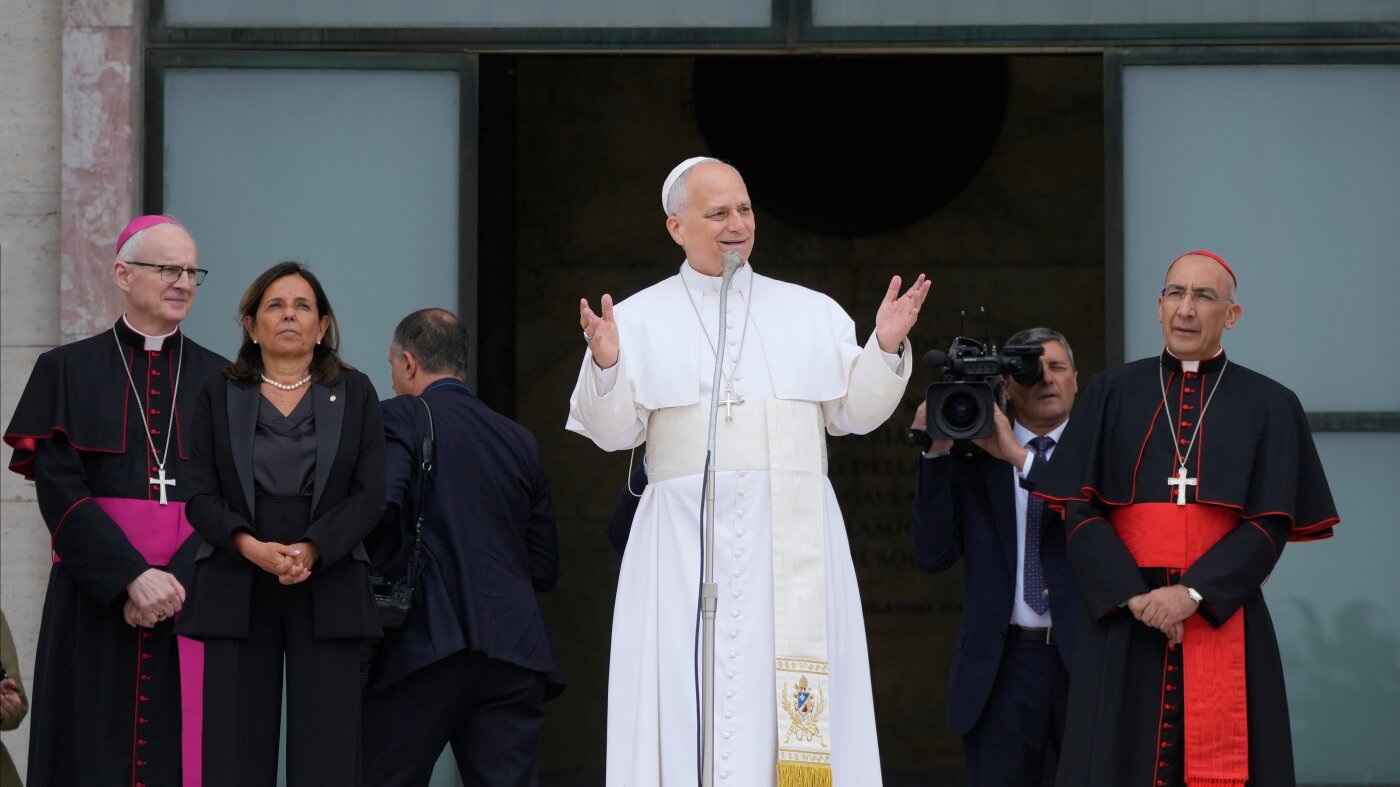
Pope Leo XIV visited Sapienza University in Rome on May 14, 2026. In a speech to faculty and students he warned that investments in artificial intelligence and high‑technology weaponry were contributing to a “spiral of annihilation” and urged peace for populations affected by conflicts, naming Ukraine, Gaza and the Palestinian territories, Lebanon and Iran. He criticized the recent rise in military spending, saying it had increased especially in Europe and diverted resources from education and healthcare while enriching elites. The pope called for stronger monitoring of how AI is developed and used in both military and civilian contexts so that humans remain responsible for their choices. During the visit he met Palestinians who had arrived in Italy on a humanitarian corridor from Gaza to continue their studies; the Italian government and Catholic organizations have brought hundreds of Palestinians to Italy for study and medical care since the 2023 Israeli‑Hamas war. The pope has said AI is a critical issue and is expected to address these themes in a forthcoming encyclical. The visit was the first papal appearance at the campus since Pope Benedict XVI cancelled a planned speech there in 2008.
Biblical Reflection
The pope’s remarks reflect core Christian concerns: the sanctity of human life, the duty to seek peace, and the moral responsibility that must accompany technological power. Calling attention to the human cost of war and to the diversion of resources from health and education aligns with biblical priorities for caring for the vulnerable and pursuing justice. At the same time, the pope’s language is pastoral and prophetic rather than technical or policy‑specific. Christians should note two balanced points when evaluating the message: (1) technology itself is morally neutral—the ethical problem lies in how people and institutions use it, which justifies calls for accountability, regulation, and moral formation; (2) critiques of military spending and elites reflect value judgments about the common good and should prompt careful, fact‑based discernment rather than partisan reflex. The article reports factual events and the pope’s views without defending particular policy prescriptions; its underlying worldview privileges human dignity, the common good, and prudential restraint in the face of tools that can amplify harm. For Christians, this is a reminder to advocate for peace, to weigh innovations through an ethic of stewardship and responsibility, and to hold leaders—ecclesial and secular—accountable to protect life and promote justice.
Scripture in context
This outlook does not yet include contextual Scripture citations. Do not treat a general biblical theme as an exegetical conclusion.
Faithful Response
No prescribed response is offered. Consider the reflection prompts below in your own church context.
Reflection and Discussion
- 1Does the article frame AI and high‑tech weapons as inherently evil or as tools whose moral weight depends on human choices—and how does that framing affect how Christians should think about regulation and responsibility?
- 2What assumptions about priorities (military spending vs. education and healthcare) shape the pope’s critique, and how should Christians weigh those assumptions against legitimate security concerns?
- 3How does the pope’s pastoral emphasis on the vulnerable (for example, the Gazan students) challenge Christian communities to maintain a nonpartisan commitment to human dignity amid geopolitical narratives?
Sources
Reporting links are evidence inputs; Sanctuary News' biblical reflection is commentary.
This outlook currently relies on fewer than two linked sources. Broaden verification before teaching from it.
- 1.Original reportprimary