News Summary
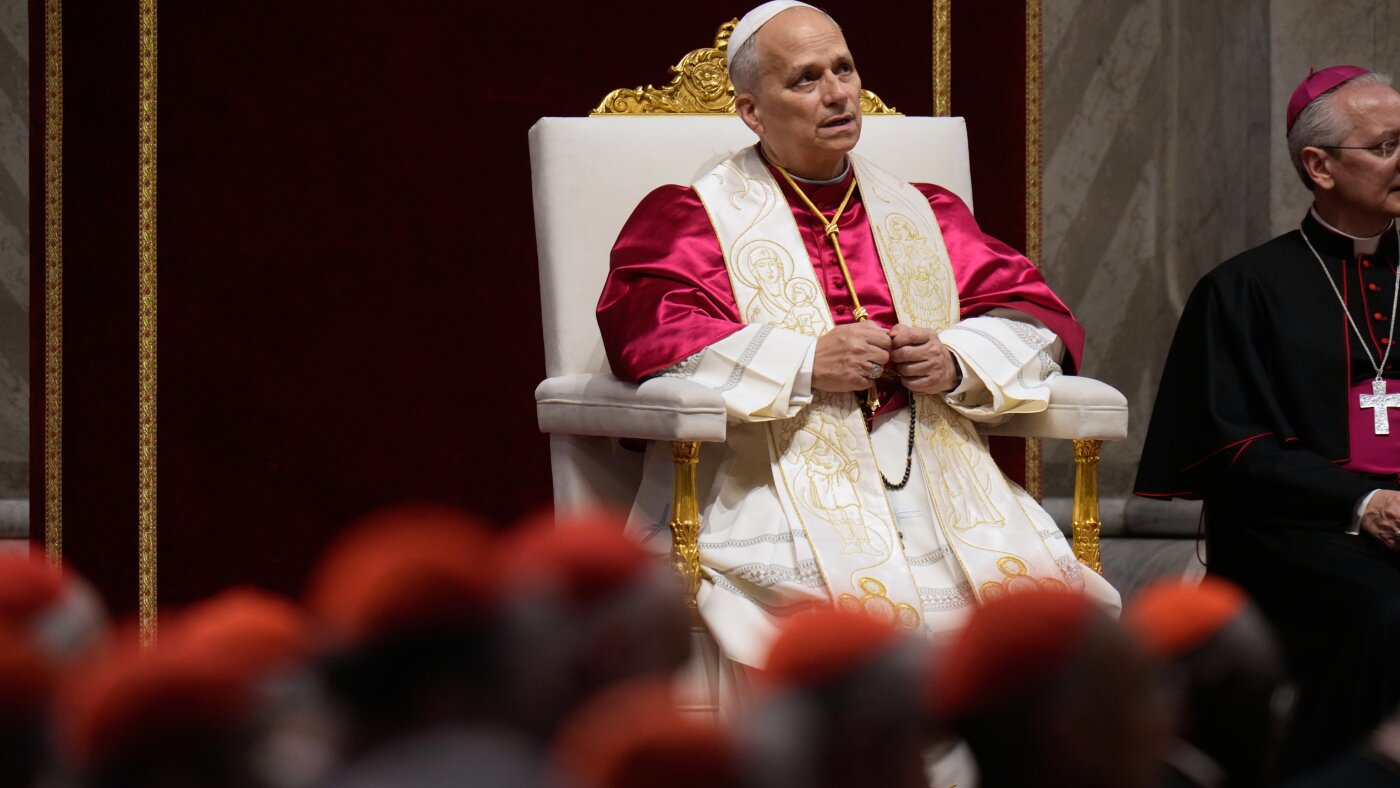
Pope Leo XIV presided over an evening prayer vigil at St. Peter's Basilica in Rome and sharply criticized what he called a "delusion of omnipotence" he said is fueling the U.S.-Israel war in Iran. His remarks—delivered the same day U.S. and Iranian officials began face-to-face negotiations in Pakistan and while a fragile ceasefire held—called for political leaders to stop fighting and negotiate peace. The pope did not explicitly name the United States or President Donald Trump during the prepared prayer but later described as "truly unacceptable" Mr. Trump’s reported threat to annihilate Iranian civilization. The service included Scripture readings and the Rosary; attendees included the archbishop of Tehran and the U.S. deputy chief of mission to the Vatican. The Vatican also expressed concern about spillover from Israel's conflict with Hezbollah in Lebanon and the impact on Christian communities there. The article notes that Leo initially offered muted appeals for peace in the war’s early weeks but increased public criticism beginning on Palm Sunday.
Biblical Reflection
The pope’s call for humility, prayer, and negotiation resonates with long-standing Christian emphases on peacemaking, the rejection of prideful power, and care for the vulnerable. Scripture repeatedly warns against idolatry—whether of self, money, or power—and exhorts believers to seek justice and peace (e.g., Isaiah, the Sermon on the Mount). The pope’s critique of leaders who invoke religion to justify violence is a sober reminder that religious language can be misused to cloak political or military aims. At the same time, readers should note how the article frames responsibility: it uses broad language ("U.S.-Israel war in Iran") that simplifies complex international roles and alliances and attributes intentions (e.g., directed at President Trump) the pope did not name in the prepared text. That framing can steer moral culpability toward particular actors even where facts on the ground involve multiple states and nonstate groups. Christians should hold both to the moral imperative to pursue peace and to discernment about facts and responsibilities—distinguishing between prophetic moral critique (calling out pride, unjust aggression, and the misuse of religious rhetoric) and the technical details of who is militarily responsible or legally culpable. Finally, the pope’s pastoral concern for communities caught between conflicts (including Christians in Lebanon) aligns with biblical compassion for the afflicted; Christians should welcome calls for negotiation while also asking how justice, protection of civilians, and reconciliation will be pursued if hostilities end.
Scripture in context
This outlook does not yet include contextual Scripture citations. Do not treat a general biblical theme as an exegetical conclusion.
Faithful Response
No prescribed response is offered. Consider the reflection prompts below in your own church context.
Reflection and Discussion
- 1How does the article’s wording (for example, "U.S.-Israel war in Iran") simplify or shape your understanding of who is responsible and why?
- 2When political leaders use religious language to justify force, what criteria should a Christian use to test whether that language aligns with Scripture?
- 3Does the pope’s public denunciation primarily appeal to moral conscience, political pressure, or both—and how should Christians weigh prophetic critique versus political complexity?
Sources
Reporting links are evidence inputs; Sanctuary News' biblical reflection is commentary.
This outlook currently relies on fewer than two linked sources. Broaden verification before teaching from it.
- 1.Original reportprimary