News Summary
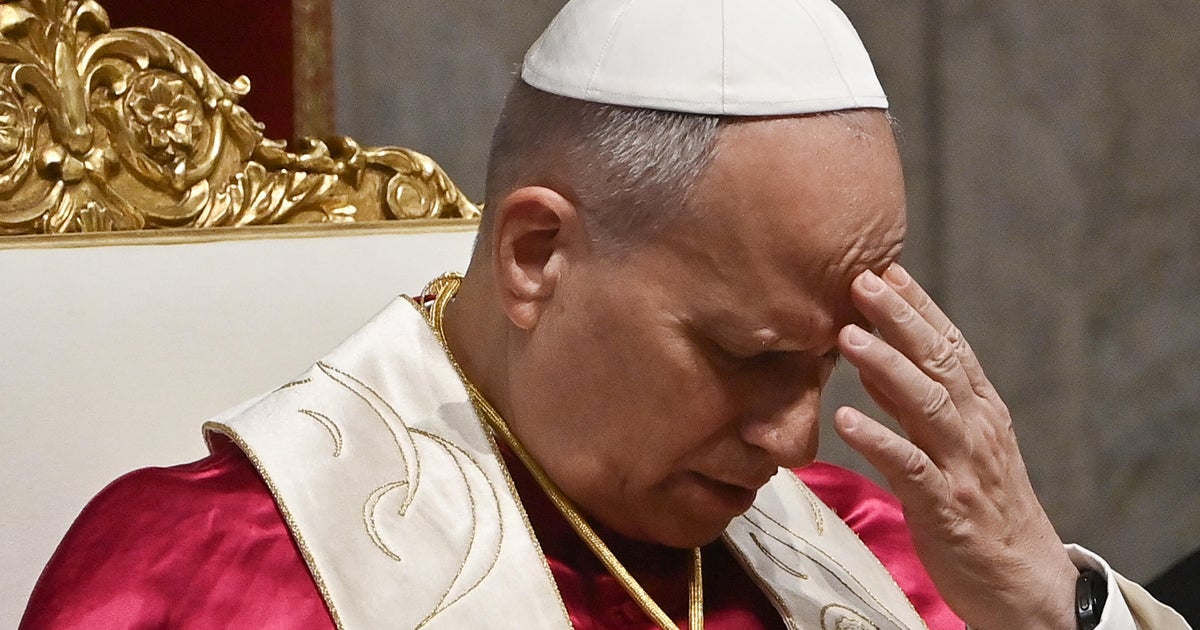
Pope Leo XIV delivered a public condemnation of the war in Iran during a prayer vigil for peace at St. Peter's Basilica, urging leaders to pursue negotiations and denouncing displays of force. Speaking in Italian, the pope said "Enough with the idolatry of self and money! Enough with the display of force! Enough with war!" and appealed to leaders to listen to the voices of children from conflict zones. The remarks followed President Trump’s recent statements about Iran, including a televised comment that "a whole civilization will die" if the Strait of Hormuz remained closed and multiple social-media posts in which he claimed the United States had "completely destroyed Iran's Military" and that Iran's leadership was dead. The pope did not name Mr. Trump. U.S. envoys — including Vice President JD Vance, Steve Witkoff, and Jared Kushner — met with Iranian leaders in Pakistan for talks during a tense two-week ceasefire. White House officials defended the administration’s foreign-policy record and said the U.S. is pursuing an agreement that could lead to lasting peace. The article notes polling data about Catholic voters' support for Mr. Trump and references prior statements from the pope that God does not bless conflict.
Biblical Reflection
The pope’s public call for peace and his emphasis on protecting life and listening to children aligns with core Christian convictions about the sanctity of human life and the priority of peacemaking (e.g., Matthew 5:9). His critique of glorifying force and material power echoes longstanding Catholic teaching that moral authority must check political power. At the same time, public religious interventions into active geopolitical conflicts inevitably carry political implications. The article presents a tension common in such moments: spiritual leaders urging moral restraint, and political leaders asserting security measures. Readers should notice three dynamics: (1) moral clarity — the pope foregrounds life and negotiation, which is consistent with a biblical ethic of peace; (2) political signaling — even without naming names, the pope’s comments function as a critique of particular policies and rhetoric, and media framing highlights possible targets; (3) rhetoric and accountability — social-media boasts about military outcomes (attributed here to President Trump) raise questions about accuracy, prudence, and the pastoral responsibility of leaders to avoid triumphant language that dehumanizes opponents. Christians should weigh both the ethical urgency of calling for an end to violence and the legitimate responsibilities of political leaders to protect citizens; neither obligation erases the other. Prayful discernment is needed so believers neither sanctify partisan loyalty nor treat religious authority as merely another political voice. Seek facts, protect the vulnerable, and hold all leaders to truth and justice.
Scripture in context
This outlook does not yet include contextual Scripture citations. Do not treat a general biblical theme as an exegetical conclusion.
Faithful Response
No prescribed response is offered. Consider the reflection prompts below in your own church context.
Reflection and Discussion
- 1Whose interests are centered when leaders speak of military victory or 'decimation'—the security of civilians or political posturing?
- 2When a spiritual leader rebukes violence without naming names, how should Christians assess the message separate from partisan reactions?
- 3Are we allowing tribal loyalties to silence the gospel's call to care for the vulnerable and pursue reconciliation?
Sources
Reporting links are evidence inputs; Sanctuary News' biblical reflection is commentary.
This outlook currently relies on fewer than two linked sources. Broaden verification before teaching from it.
- 1.Original reportprimary