News Summary
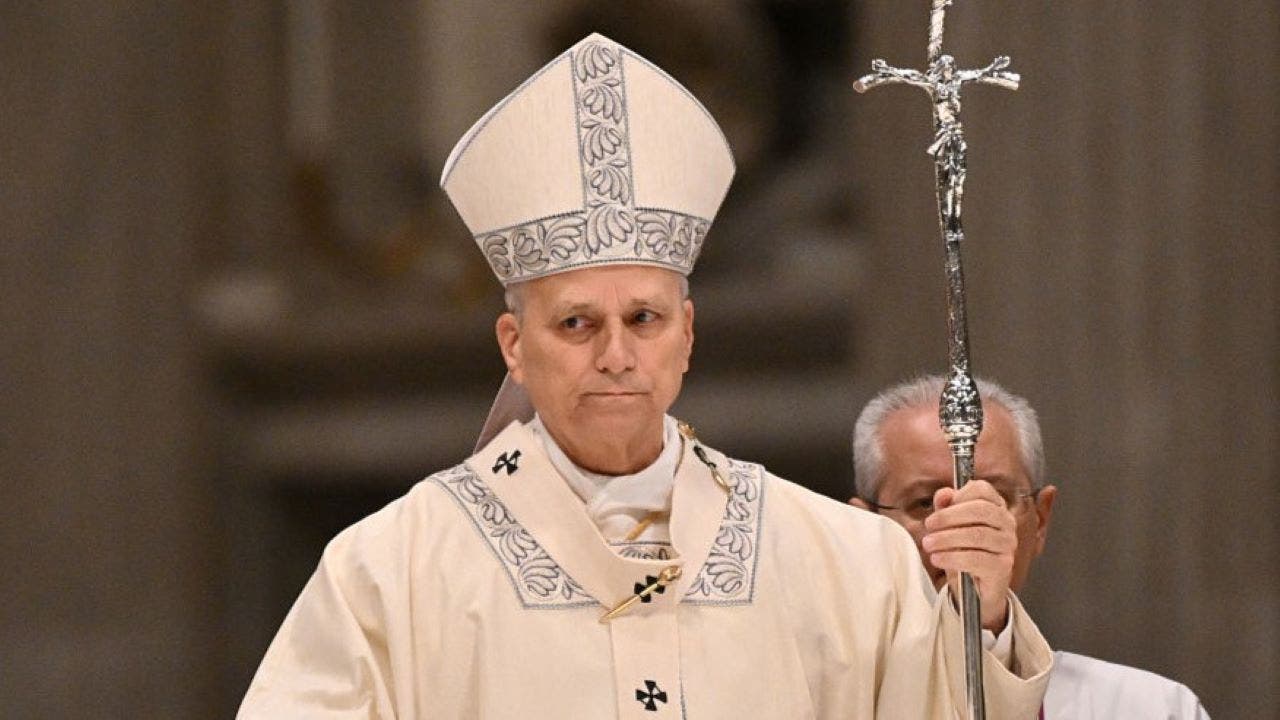
Pope Leo XIV used his Sunday noon blessing at the Vatican to call for an immediate ceasefire in the conflict involving Iran after recent strikes hit schools and civilian areas. He appealed to leaders responsible for the fighting to halt hostilities and reopen avenues for dialogue, emphasizing that violence cannot produce the justice, stability, and peace people seek. The pope did not specifically name the U.S. or Israel but appeared to reference an early-war strike on a girls' school in Minab that reportedly killed more than 165 people, many children. U.S. officials say the strike may have been based on outdated intelligence and an investigation is underway. The pope expressed closeness to victims' families and concern about wider regional impacts, including Lebanon, where aid groups warn of a growing humanitarian crisis. While the Vatican has maintained diplomatic neutrality, some Catholic leaders—such as Cardinal Robert McElroy and Cardinal Blase Cupich—have issued more pointed critiques of the war and U.S. messaging. Vatican Secretary of State Cardinal Pietro Parolin said the Holy See continues to engage all parties and rejected the characterization of the fighting as a "preventive war." The report notes worry for Christian communities in southern Lebanon and broader humanitarian consequences.
Biblical Reflection
From a biblical perspective, the pope's appeal for a ceasefire and his concern for civilians—especially children and those in hospitals and schools—resonates strongly with core Christian convictions: the sanctity of human life, protection of the vulnerable, and the pursuit of peace. Scripture repeatedly commends peacemaking (e.g., Matthew 5:9) and commands care for widows, orphans, and strangers (James 1:27; Isaiah 1:17). Calling for dialogue rather than escalation embodies the wisdom of seeking reconciliation over revenge. At the same time, the Bible calls for truth-telling and justice (Micah 6:8; Isaiah 58:6–7). Neutrality can be a necessary posture for diplomats, but Christians must not mistake diplomatic silence for moral indifference. Where innocent blood is shed, prophetic witness is required—naming wrong, demanding accountability, and working toward redress—while also praying for enemies and leaders (Matthew 5:44; 1 Timothy 2:1–2). Practically, the Christian response includes mourning with the bereaved (Romans 12:15), offering humanitarian relief, advocating for investigations and accountability, and pursuing peace through prayer and peacemaking actions. Finally, Christians should beware of easy partisanship: Scripture calls the church to stand with the afflicted and to be a minister of reconciliation, even amid political complexity.
Scripture in context
This outlook does not yet include contextual Scripture citations. Do not treat a general biblical theme as an exegetical conclusion.
Faithful Response
No prescribed response is offered. Consider the reflection prompts below in your own church context.
Reflection and Discussion
- 1How can I personally pray for and tangibly help the civilians—especially children—affected by this conflict?
- 2Where might I need to speak or act prophetically for justice and accountability, while still pursuing reconciliation and compassion?
- 3Am I allowing partisan loyalties to silence my compassion for victims on any side of the conflict?
Sources
Reporting links are evidence inputs; Sanctuary News' biblical reflection is commentary.
This outlook currently relies on fewer than two linked sources. Broaden verification before teaching from it.
- 1.Original reportprimary