News Summary
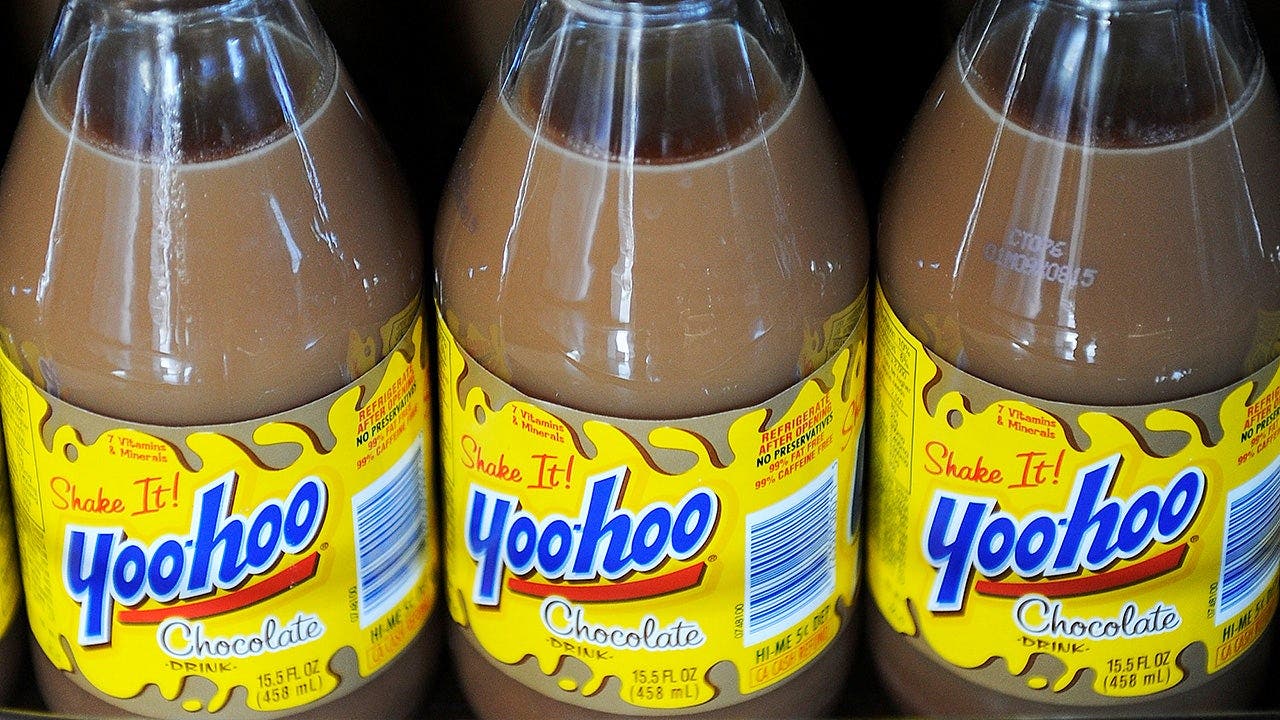
In 1966 PepsiCo launched a chocolate beverage called 'Devil Shake' to compete with Yoo-hoo. An internal PepsiCo study reportedly predicted strong sales, but within roughly a year Pepsi discontinued the product and sold its Devil Shake operations to Yoo-hoo for $1. Pepsi at one point partnered with Yoo-hoo, paying the brand about $1 million to produce Devil Shake, and has been reported to have lost millions on the venture. The core technical issue was that Yoo-hoo owned or controlled technology and processing know-how—including use of a hydrostatic sterilizer and a production process that blends, heats, pasteurizes, cools and packages the drink—that allowed Yoo-hoo to keep its chocolate drink shelf-stable without liquid milk. Yoo-hoo’s formula uses water, cocoa powder, sugar, powdered milk and stabilizers and requires refrigeration only after opening. The article cites Tasting Table, The New York Times, and other secondary sources; Fox News Digital reported a statement from Yoo-hoo’s parent company, Keurig Dr Pepper, and said it reached out to Pepsi for comment.
Biblical Reflection
This is principally a business-and-cultural story about competition, intellectual property, and the limits of corporate forecasting. The article highlights how a larger company’s plans can fail when they underestimate specialized knowledge and established processes held by a smaller rival. From a Christian perspective, several themes emerge: the importance of honest accounting of facts (the article relies on secondary reports and lacks a public Pepsi comment), humility before expertise (pride in internal studies can blind leaders to practical realities), and stewardship of resources (the venture cost PepsiCo significant sums). The framing leans toward a triumph/defeat narrative—’Pepsi lost’—which simplifies complex business decisions into moralistic victory language. Christians should be wary of schadenfreude when companies fail and instead seek truthful appraisal of causes and fair treatment of people affected. The story also shows how nostalgia drives markets; companies and consumers form deep attachments to familiar products, and nostalgia can distort both business judgment and public reaction. In pastoral terms, we can acknowledge the human impulse to celebrate underdog success while holding fast to charity, truth, and humility in judging others’ mistakes.
Scripture in context
This outlook does not yet include contextual Scripture citations. Do not treat a general biblical theme as an exegetical conclusion.
Faithful Response
No prescribed response is offered. Consider the reflection prompts below in your own church context.
Reflection and Discussion
- 1How does the popular framing of corporate ‘wins’ and ‘losses’ shape our sympathy and judgment toward business leaders and workers?
- 2What does this story reveal about the value we place on specialized knowledge and the ways ownership of processes or know‑how can shape market outcomes?
- 3Are we allowing nostalgia to cloud our evaluation of products and the ethical choices of companies, or can we balance affection for the past with honest appraisal of consequences?
Sources
Reporting links are evidence inputs; Sanctuary News' biblical reflection is commentary.
This outlook currently relies on fewer than two linked sources. Broaden verification before teaching from it.
- 1.Original reportprimary