News Summary
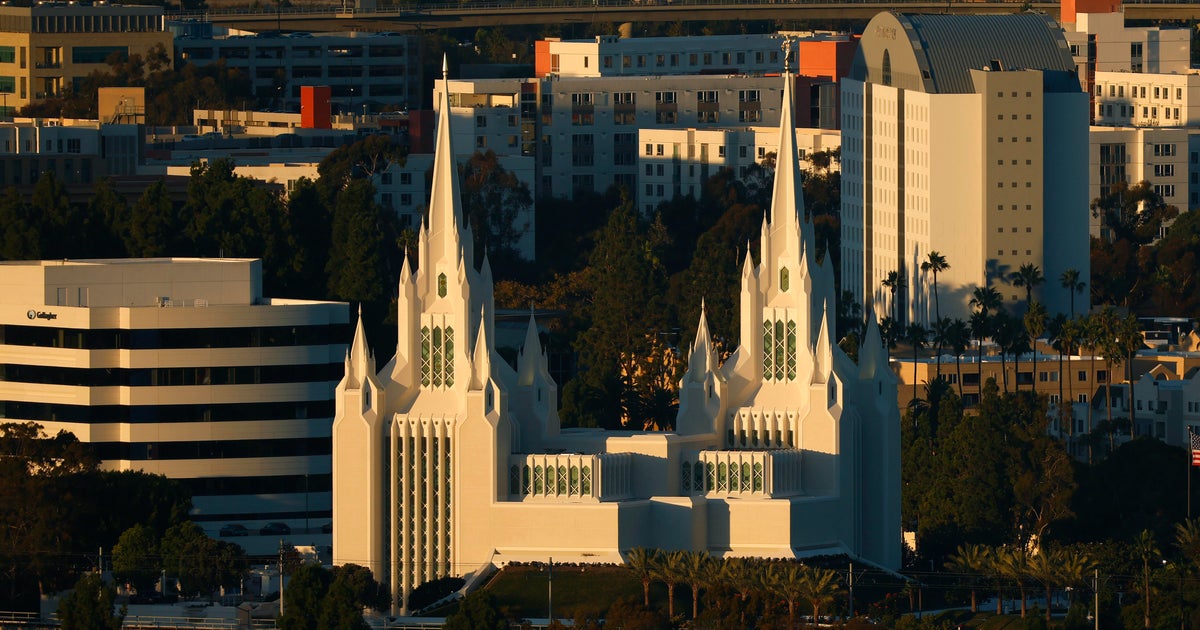
The Pentagon reduced its roster of religious affiliation codes from over 200 to roughly 31 to streamline chaplain support. When the shortened list was publicly posted on Friday, it included the Church of Jesus Christ of Latter-day Saints but did not list it among the religions labeled as "Christian," which prompted criticism from LDS leaders and Utah Republican Senators John Curtis and Mike Lee. On Monday the Pentagon issued an updated list that removed descriptive labels such as "Christian," leaving only the code and the name of each faith; the Pentagon said the prior labeling was "redundant and unnecessary" and called it a mistake. The change came amid a broader effort by Secretary of Defense-via-Hegseth to overhaul the Military Chaplain Corps and to elevate spiritual wellbeing; the article notes controversies including the firing of the Army Chief of Chaplains in April and public comments by outside pastor Doug Wilson questioning whether Mormonism is Christian. Civil-rights group FAIR defended the LDS Church's Christian identity in response to doctrinal claims against it.
Biblical Reflection
From a Christian pastoral perspective, this episode highlights two important truths: first, the dignity of religious self-identification matters — government forms and public institutions should avoid adjudicating theological labels that are meaningful to faith communities; second, Christians must exercise humility and charity when theological disagreements arise. The Pentagon’s initial labeling reflected an administrative choice that had the practical effect of signaling a theological judgment, which rightly offended many who view their faith as Christian. The swift correction is a positive administrative response, but the controversy also exposes how personal convictions of leaders and invited speakers can shape public perception and policy. Christians should press for institutions that respect sincerely held beliefs, protect minority faiths’ identity, and keep doctrinal disputes out of bureaucratic classification. At the same time, believers should resist letting intra-Christian theological disputes become opportunities for public shaming or partisan gain; truth should be defended with gentleness and respect, not triumphalism.
Scripture in context
This outlook does not yet include contextual Scripture citations. Do not treat a general biblical theme as an exegetical conclusion.
Faithful Response
No prescribed response is offered. Consider the reflection prompts below in your own church context.
Reflection and Discussion
- 1Does this government labeling reflect administrative efficiency or a theological judgment, and how can you tell the difference?
- 2When public officials or advisors hold strong doctrinal views, how should institutions guard fairness for diverse religious identities?
- 3Are our reactions guided more by defending truth or by defending our tribe’s status in public life?
Sources
Reporting links are evidence inputs; Sanctuary News' biblical reflection is commentary.
This outlook currently relies on fewer than two linked sources. Broaden verification before teaching from it.
- 1.Original reportprimary