News Summary
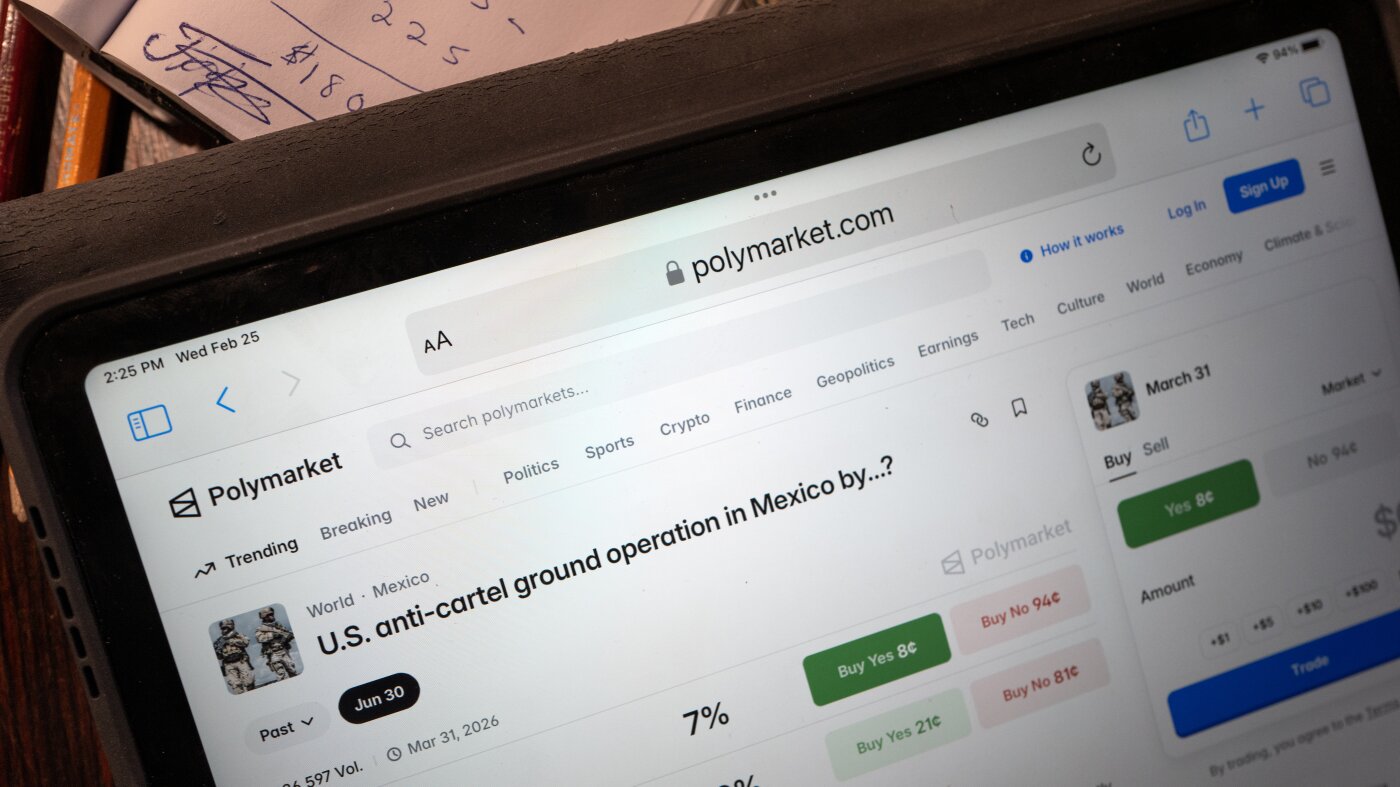
The article discusses the rise of online prediction markets, where people can place bets not just on sports or finance, but also on world events, including acts of war. Citing recent instances, the article notes that a user on Polymarket made over $500,000 by betting on a U.S. strike that killed Iran's Ayatollah Ali Khamenei, and another trader profited handsomely from the ouster of Venezuela's leader just before it happened. Lawmakers are now moving to ban government officials from using such platforms for wagers on sensitive events. The author contrasts the real, life-altering bets that refugees and civilians make in conflict zones with the detached, profit-driven bets of prediction market users, raising the moral question: Is it right to profit from human suffering and war?
Biblical Reflection
From a biblical perspective, the practice of betting on war and human suffering is deeply problematic. Scripture repeatedly calls us to compassion, empathy, and a refusal to profit from the misfortune of others (Proverbs 24:17; Isaiah 58:6-7). The pursuit of profit from violence and tragedy reflects a hardening of the heart, prioritizing personal gain over the well-being of fellow human beings. In the parable of the Good Samaritan (Luke 10:25–37), Jesus teaches that true neighborliness means drawing close to the suffering, not exploiting it for personal benefit. Wagering on war distances us further from empathy, turning real pain into a commodity. Christians are called to be peacemakers (Matthew 5:9) and to seek justice, not to capitalize on injustice or violence. Such betting not only trivializes human loss but also undermines the call to love our neighbors as ourselves.
Scripture in context
This outlook does not yet include contextual Scripture citations. Do not treat a general biblical theme as an exegetical conclusion.
Faithful Response
No prescribed response is offered. Consider the reflection prompts below in your own church context.
Reflection and Discussion
- 1How do I respond inwardly when I hear of tragedy or conflict—do I feel empathy, apathy, or something else?
- 2Are there ways I may be tempted to profit, directly or indirectly, from the misfortune of others?
- 3How can I embody Christ’s compassion and peacemaking in a world that often commodifies suffering?
Sources
Reporting links are evidence inputs; Sanctuary News' biblical reflection is commentary.
This outlook currently relies on fewer than two linked sources. Broaden verification before teaching from it.
- 1.Original reportprimary