News Summary
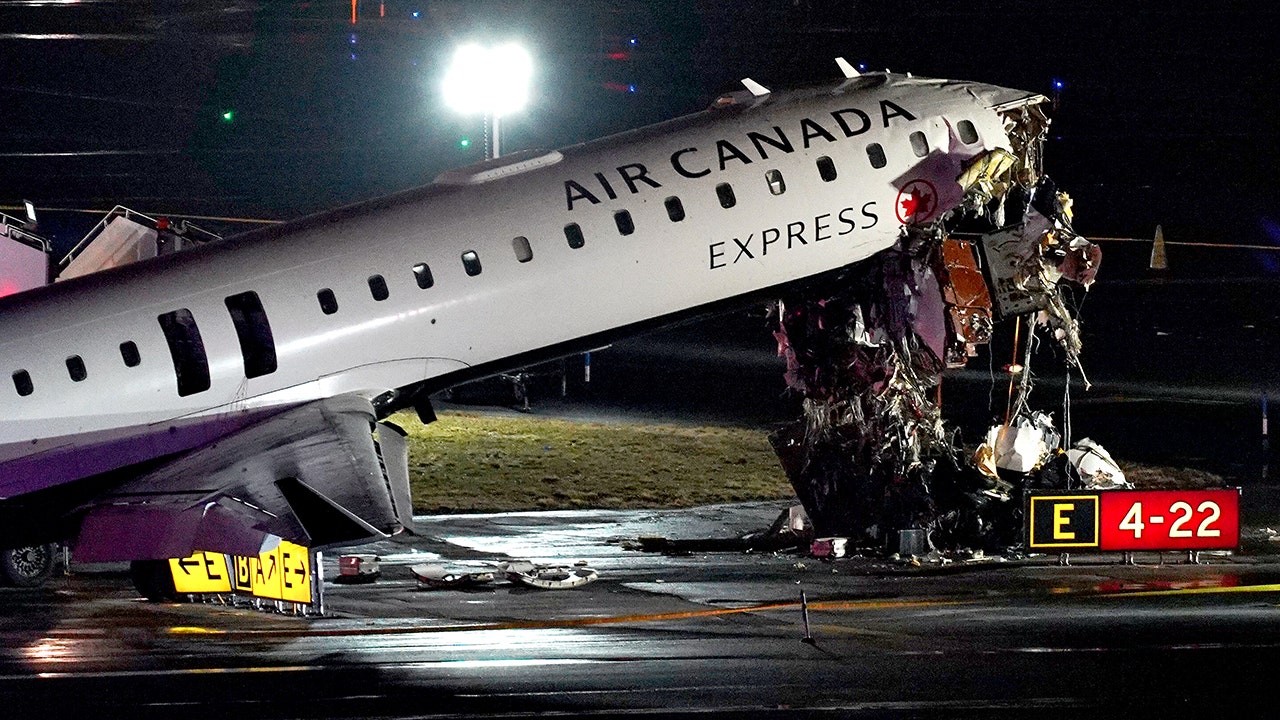
NTSB investigators reported inconsistencies in LaGuardia Airport control tower records—including discrepancies in dates and times—and said it remains unclear who was performing the ground controller role in the moments before a runway collision. A Port Authority firefighting vehicle had been cleared by the tower to cross Runway 4 and read back the clearance; tower audio captured controllers ordering the truck to stop twice before and during the aircraft's landing rollout. A preliminary cockpit voice recorder summary shows the truck requested crossing about 25 seconds before the recording ended, the tower cleared it at about 20 seconds, ordered it to stop with 9 seconds remaining, heard a sound consistent with landing gear contact at 8 seconds, and again instructed the truck to stop at 4 seconds before the recording ended. The lead firefighting vehicle did not have a transponder, and the airport surface detection system (ASDE-X) did not generate an alert because nearby vehicle movements prevented creation of a track of high confidence. Two controllers were present in the tower cab—a local controller and a controller in charge—with possible role combinations typical of overnight shifts. The aircraft, an Air Canada Express CRJ-900 carrying 72 passengers and four crew, collided with the Port Authority vehicle around 11:45 p.m.; both pilots were killed and dozens were injured. The NTSB has recovered the cockpit voice recorder and flight data recorder and is continuing analysis of tower logs, technical systems, controller actions, and interviews with controllers; officials cautioned against assigning blame until the investigation is complete.
Biblical Reflection
This report highlights the fragile interaction of human decisions, technical systems, and organizational procedures in high-risk settings. The article largely reports factual developments—what investigators have found, what the recorders captured, and system limitations—while emphasizing dramatic audio and unanswered questions. From a Christian perspective, several convictions apply: first, truth-seeking matters; we should welcome careful, methodical investigation rather than premature blame. Proverbs and the New Testament call us to pursue justice (allowing facts to surface) and to exercise humility toward those we might be quick to fault. Second, the story reveals human fallibility and systemic vulnerability—reminding Christians that stewardship of others’ lives is both a moral and practical responsibility; institutions must pursue reforms where failures or gaps are identified (training, fatigue mitigation, equipment like vehicle transponders, and surveillance technology). Third, the media framing that foregrounds frantic audio and uncertainty can amplify fear and assignment of blame; discernment asks us to separate verifiable facts from speculation and to hold space for grief and compassion for victims and responders. Finally, the Christian response is not only to demand accountability but to pray for investigators’ wisdom, comfort for the bereaved, and for public agencies to act justly and wisely in adopting safety improvements.
Scripture in context
This outlook does not yet include contextual Scripture citations. Do not treat a general biblical theme as an exegetical conclusion.
Faithful Response
No prescribed response is offered. Consider the reflection prompts below in your own church context.
Reflection and Discussion
- 1Am I responding to the immediate drama of the audio and headlines, or am I waiting for verified findings before forming judgments about responsibility?
- 2What structural or systemic issues (fatigue, equipment gaps, procedures) does this incident surface, and how should the pursuit of truth include both individual and institutional accountability?
- 3How can Christians balance a desire for justice with a posture of compassion for victims, responders, and workers whose roles are still being clarified?
Sources
Reporting links are evidence inputs; Sanctuary News' biblical reflection is commentary.
This outlook currently relies on fewer than two linked sources. Broaden verification before teaching from it.
- 1.Original reportprimary