News Summary
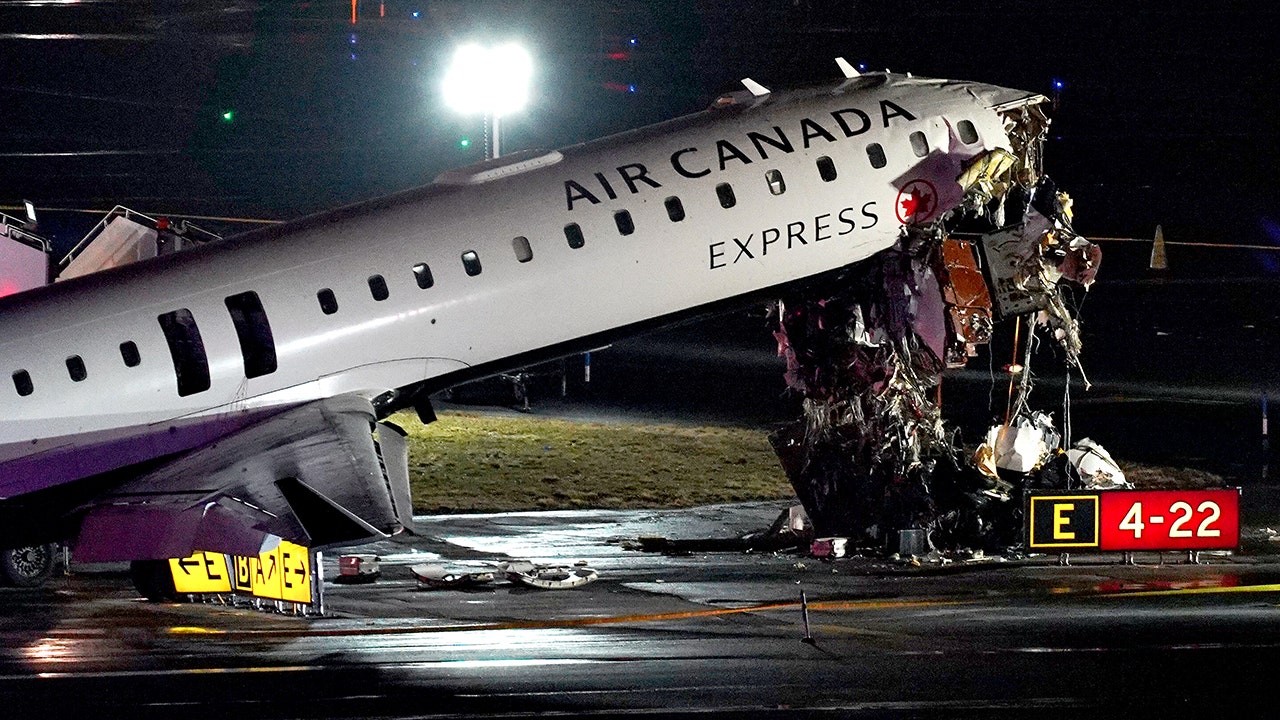
On March 22 at about 11:37 p.m., Jazz Aviation Flight 646, operating as Air Canada Express Flight 8646, collided with a Port Authority airport rescue and firefighting vehicle while landing on Runway 4 at LaGuardia Airport. Both pilots were killed and dozens of passengers and emergency responders were injured. The NTSB's preliminary report finds multiple simultaneous failures contributed: an air traffic control local controller cleared the rescue vehicle to cross an active runway while the aircraft was on short final (about a quarter-mile out and ~130 feet altitude); a later instruction to the vehicle to stop came too late. Radio communication confusion on the tower frequency delayed the truck crew’s recognition of the stop command. Tower staffing was at normal levels, but controllers were handling multiple issues and one controller assumed transmissions on both ground and tower frequencies. The airport surface detection system (ASDE-X) intermittently detected ground vehicles (none of which were transponder-equipped) and displayed only two radar targets instead of seven response vehicles; the system did not generate an aural or visual alert for the potential conflict. Runway entrance lights (RELs) illuminated for the arriving airplane but extinguished roughly three seconds before impact as the truck reached the runway edge; the report does not confirm whether the crew saw those lights. Investigators describe a chain of human, communication, and technological breakdowns rather than a single cause. The forward cockpit and forward cabin sustained the most severe damage; the passenger cabin was largely intact and an orderly evacuation occurred. The NTSB emphasizes the report is preliminary and subject to change.
Biblical Reflection
This report highlights a tragic convergence of human error, communication breakdowns, and technological limitations. The article largely reports preliminary NTSB findings and eyewitness details; its framing around a "chain of failures" is consistent with the investigative conclusion that multiple safeguards missed the same event. Readers should note initial emphases (e.g., references to curfew pressure or offhand political comments) that can shift attention from systemic causes to speculative motives. From a Christian perspective, the story reminds us both of human fallibility and the need for sober accountability. Scripture calls God’s people to seek truth, protect the vulnerable, and pursue justice (not vengeance). That means supporting careful, fact-based investigation, advocating for necessary safety changes (better equip vehicles with transponders, improve alerting systems, clarify communication protocols), and resisting rushes to assign blame before facts are settled. Mourning and compassion for the victims and first responders must come before partisan or sensational interpretation. Finally, the event underscores stewardship — we are called to care responsibly for systems and institutions that protect life, and to press for improvements where human weakness is predictable.
Scripture in context
This outlook does not yet include contextual Scripture citations. Do not treat a general biblical theme as an exegetical conclusion.
Faithful Response
No prescribed response is offered. Consider the reflection prompts below in your own church context.
Reflection and Discussion
- 1Does my immediate response to this kind of tragedy focus on facts, compassion, and constructive solutions, or on assigning blame and amplifying fear?
- 2Which human and technological safeguards failed here, and how can Christians advocate for wise stewardship and practical reforms that protect life?
- 3Am I attentive to how media framing (emotive images, selective quotes, political asides) shapes my perception of responsibility and solutions?
Sources
Reporting links are evidence inputs; Sanctuary News' biblical reflection is commentary.
This outlook currently relies on fewer than two linked sources. Broaden verification before teaching from it.
- 1.Original reportprimary