News Summary
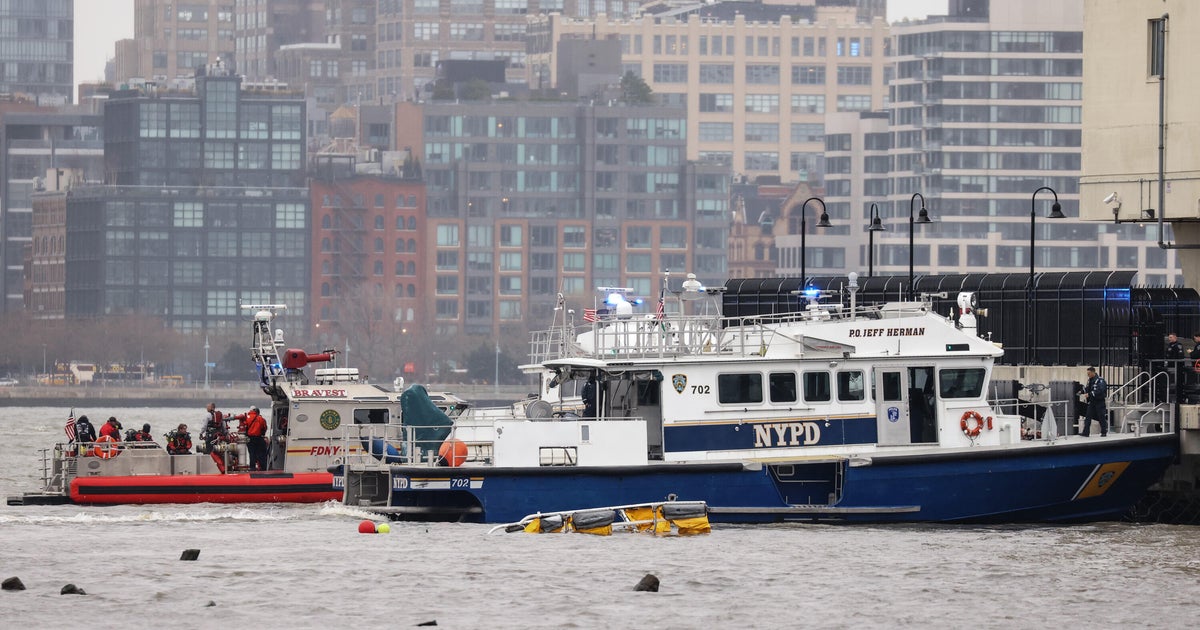
The National Transportation Safety Board (NTSB) reported that a bird strike most likely caused the Bell 206L-4 helicopter crash in the Hudson River in April 2025 that killed six people (a family of five from Spain, including three children, and the pilot). Investigators found bird remains in the wreckage and in the surrounding area; pieces of the main rotor blade and a severed bird wing were located on the ground and on rooftops about 2,000 feet from where wreckage was recovered. The Smithsonian Institution feather identification lab and the NTSB laboratory sampled and confirmed the presence of bird remains. The NTSB report characterizes the bird strike as the probable cause; further details (such as the specific bird species, weather, maintenance, or operational factors) are not included in this brief news summary.
Biblical Reflection
The NTSB conclusion is based on physical evidence and expert lab analysis, so it represents a careful, probabilistic finding rather than conjecture. The article reports those findings plainly and contains no evident sensationalism, but it is brief and omits contextual details investigators may use to fully understand contributory factors (e.g., flight operations, maintenance, or environmental conditions). From a Christian pastoral perspective, this story highlights both human vulnerability and the value of sober truth-telling: we should accept factual, evidence-based findings while resisting the rush to assign blame before all facts are known. It also raises questions about how we responsibly manage risks in shared spaces—urban airspace, wildlife habitats, and transportation systems—without treating creation as merely an obstacle to human convenience. Above all, the deaths of children and a family call for compassion, measured reporting, and practical steps to prevent future tragedies where possible, while trusting God’s presence with grieving families.
Scripture in context
This outlook does not yet include contextual Scripture citations. Do not treat a general biblical theme as an exegetical conclusion.
Faithful Response
No prescribed response is offered. Consider the reflection prompts below in your own church context.
Reflection and Discussion
- 1Am I inclined to jump to blame or to wait for careful, evidence-based findings when tragedy occurs?
- 2How does this report shape our view of human technological control versus vulnerability to nature in public spaces?
- 3What responsibilities should communities and regulators hold for preventing predictable risks that arise where people and wildlife intersect?
Sources
Reporting links are evidence inputs; Sanctuary News' biblical reflection is commentary.
This outlook currently relies on fewer than two linked sources. Broaden verification before teaching from it.
- 1.Original reportprimary