News Summary
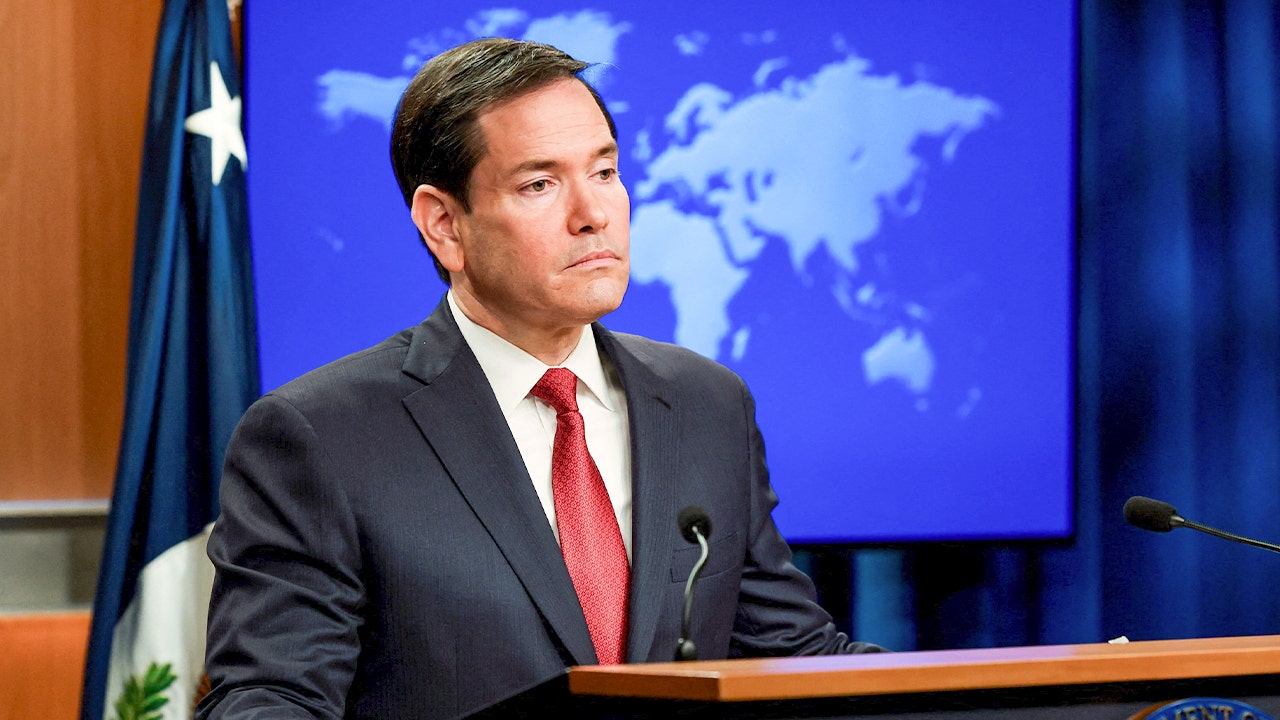
This article reports on a recent phone conversation between Israeli Prime Minister Benjamin Netanyahu and U.S. Secretary of State Marco Rubio regarding the possibility of U.S. military intervention in Iran. The discussion takes place as Iran undergoes widespread anti-regime protests that have lasted for over two weeks, with the Iranian government responding by severely restricting internet access. The Iranian parliament has issued threats against the U.S. and Israel, warning of retaliation if the U.S. were to strike. Former President Donald Trump has expressed support for Iranian protesters and warned of forceful responses if the Iranian regime resorts to mass violence. The situation remains tense, with Israel on high alert and international attention fixed on developments inside Iran.
Biblical Reflection
From a biblical perspective, the events described reflect a world caught in cycles of unrest, threat, and the temptation toward violence. Scripture calls God’s people to pray for peace (Psalm 122:6) and to seek justice (Micah 6:8), but also to be wary of the destructive power of vengeance and war. Jesus warned that 'those who take up the sword will perish by the sword' (Matthew 26:52), reminding us that violence often begets more violence. While the suffering of the Iranian people under oppressive governance calls for compassion and advocacy, Christians are challenged to discern the difference between righteous action and escalating conflict. The rhetoric of threats and military intervention stands in tension with Christ’s example of peacemaking and enemy-love (Matthew 5:44). Christians are called to lift up those suffering, to pray for wise leadership, and to resist the worldly tendency to respond to evil with more evil, instead pursuing peace and reconciliation wherever possible.
Scripture in context
This outlook does not yet include contextual Scripture citations. Do not treat a general biblical theme as an exegetical conclusion.
Faithful Response
No prescribed response is offered. Consider the reflection prompts below in your own church context.
Reflection and Discussion
- 1How can we advocate for justice and freedom for the oppressed without resorting to violence or revenge?
- 2What does it mean to pray for peace in situations where governments and leaders threaten war?
- 3How might you respond if called upon to take sides in a conflict that pits nation against nation?
Sources
Reporting links are evidence inputs; Sanctuary News' biblical reflection is commentary.
This outlook currently relies on fewer than two linked sources. Broaden verification before teaching from it.
- 1.Original reportprimary