News Summary
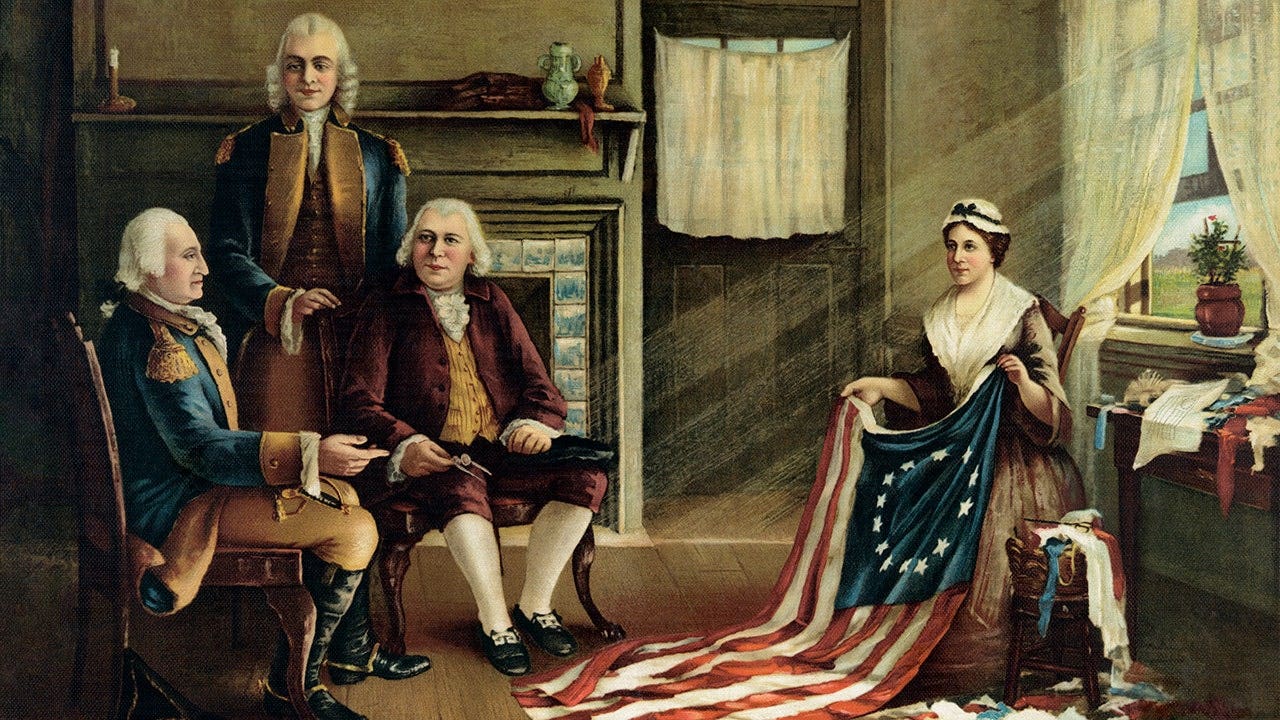
The Museum of the Bible in Washington, D.C., opened a collection of original founding-era artifacts for the nation’s 250th anniversary. The exhibit includes the first Bible printed in English in America, family Bibles owned by several founding-era figures, a Thomas Jefferson letter on religious freedom, Revolutionary-era printed materials, portraits and lithographs of early American leaders, and documents tracing early Jewish civic life. Museum curators say the items illustrate how biblical language and ideas appeared in early American conversations about liberty, education, and public life. The museum emphasizes primary sources and intends visitors to draw their own conclusions about the Bible's influence; a museum director is quoted saying the documents show the Bible was integral to the nation's founding while acknowledging founders disagreed about religion.
Biblical Reflection
The exhibit offers Christians a welcome opportunity to see primary evidence that scripture shaped language and moral concepts in early American public life. At the same time, the claim that the Bible was "integral" to the nation's founding is interpretive: artifacts show influence, not uniform religious conviction or a single theological foundation for political institutions. The museum’s curatorial choices inevitably frame a particular narrative—highlighting biblical references and family Bibles—while other elements of the founding (Enlightenment ideas, diverse religious views, and commitments to pluralism and legal secularism) also shaped institutions. A Christian reading should welcome the witness of history without overstating it, resist using selective history to settle modern political disputes, and practice humility about how Scripture was actually used by imperfect people. Pursuing truth here looks like engaging the documents, admitting complexity, and holding historical claims to evidentiary standards while extending charity toward those with different readings.
Scripture in context
This outlook does not yet include contextual Scripture citations. Do not treat a general biblical theme as an exegetical conclusion.
Faithful Response
No prescribed response is offered. Consider the reflection prompts below in your own church context.
Reflection and Discussion
- 1Are we treating examples of biblical language in the founders’ papers as proof that the nation was meant to be a theocracy, or as evidence of cultural influence with limits?
- 2What parts of the founding story are emphasized or omitted when artifacts are chosen to show the Bible’s role?
- 3How does acknowledging both Scripture’s influence and the founders’ religious disagreements change the way Christians speak into public life?
Sources
Reporting links are evidence inputs; Sanctuary News' biblical reflection is commentary.
This outlook currently relies on fewer than two linked sources. Broaden verification before teaching from it.
- 1.Original reportprimary