News Summary
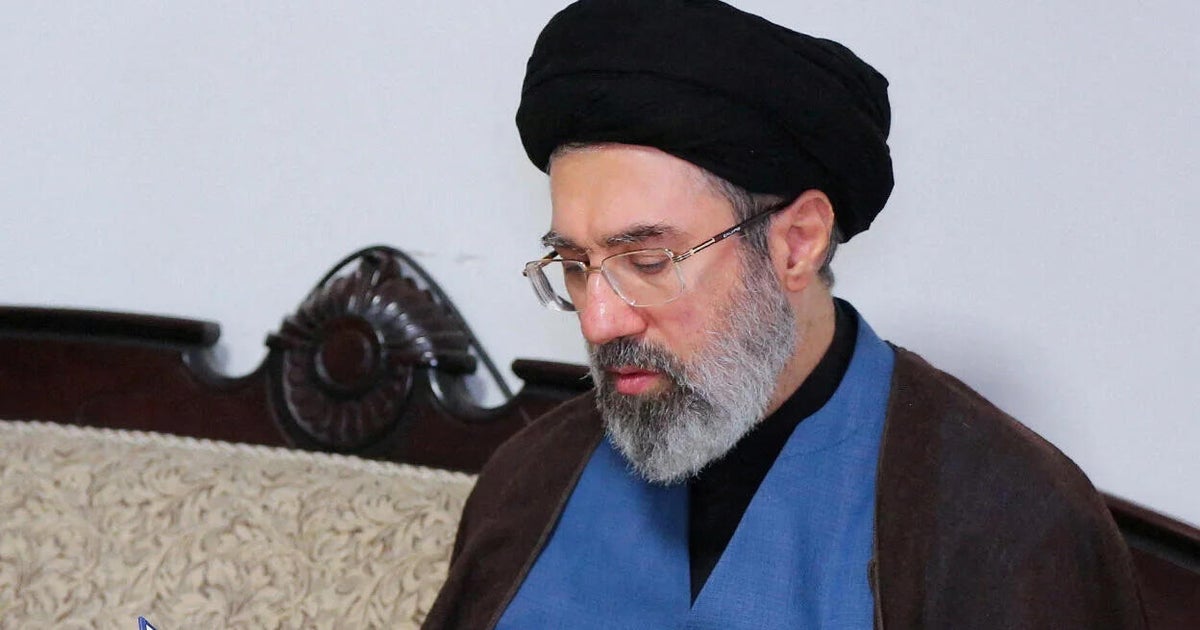
Iranian state media reported that Mojtaba Hosseini Khamenei, the 57-year-old second son of the late Supreme Leader Ayatollah Ali Khamenei, has been named Iran’s new supreme leader by the Assembly of Experts. Mojtaba Khamenei has not held elected office and has lived a largely private life, but for years he worked closely from within his father’s office and cultivated influence across Iran’s security establishment — notably the Islamic Revolutionary Guard Corps (IRGC). He studied theology in Qom, served and was wounded during the Iran–Iraq war, taught at the Qom seminary for about eight years, and is widely viewed by analysts as a hardliner. Observers say his selection indicates the ruling elite favored continuity and stability over reform at a time of intense external and internal pressure. The article notes his possible role in coordinating the government crackdown during the 2009 unrest, the unprecedented nature of keeping leadership within the same family, and that his deep IRGC ties suggest continuity in Iran’s current security and war posture. Reactions quoted include former President Trump calling him a “lightweight,” Israeli and other commentators warning of personal risk to the new leader, and intelligence posts suggesting threats against Iran’s clerical leadership. Mojtaba Khamenei is reported to be married with at least two children.
Biblical Reflection
From a biblical perspective, this development raises several moral and spiritual concerns alongside pastoral priorities. Scripturally, legitimate leadership is measured not by lineage or consolidation of power but by justice, humility, and servant-hearted care for the vulnerable (see Mark 10:42–45). The reported transfer of authority into a single family and the increased influence of a militarized security apparatus risk perpetuating systems that prioritize control and coercion over the protection of life and human dignity. History and Scripture warn that power hoarded without accountability breeds oppression (Proverbs 29:2; Micah 3:9–12). The reports of involvement in violent crackdowns and close ties to a force like the IRGC point to a governing posture that Scripture would call to account for injustice and the shedding of innocent blood.
At the same time, Christians are called to avoid triumphalism or calls for violence in response. Romans 12 and Matthew 5 teach us to pray for enemies, pursue justice in ways that reflect God’s righteousness, and trust God’s judgment rather than taking vengeance into our own hands. For the global church, the immediate pastoral response should include praying for the safety and flourishing of ordinary Iranians (many of whom suffer under geopolitical and domestic coercion), praying for wisdom and repentance among leaders, advocating for accountability and human rights where possible, and sustaining Christian witness that bears truth and compassion rather than partisan or bloodthirsty rhetoric. The selection signals continuity in a hardline direction — we should expect continued emphasis on security and likely resistance to reforms — and so Christians and churches must redouble efforts to support persecuted believers, protect civilians, and pray for peace and transformation rooted in justice and mercy.
Scripture in context
This outlook does not yet include contextual Scripture citations. Do not treat a general biblical theme as an exegetical conclusion.
Faithful Response
No prescribed response is offered. Consider the reflection prompts below in your own church context.
Reflection and Discussion
- 1How does the idea of leadership described in this article compare with Jesus’ model of servant leadership?
- 2In what concrete ways can I (or my church) pray for and practically support people harmed by regimes that concentrate power?
- 3Am I tempted to respond to geopolitical injustice with hatred or vengeance, and how can Scripture shape a more faithful response?
Sources
Reporting links are evidence inputs; Sanctuary News' biblical reflection is commentary.
This outlook currently relies on fewer than two linked sources. Broaden verification before teaching from it.
- 1.Original reportprimary