News Summary
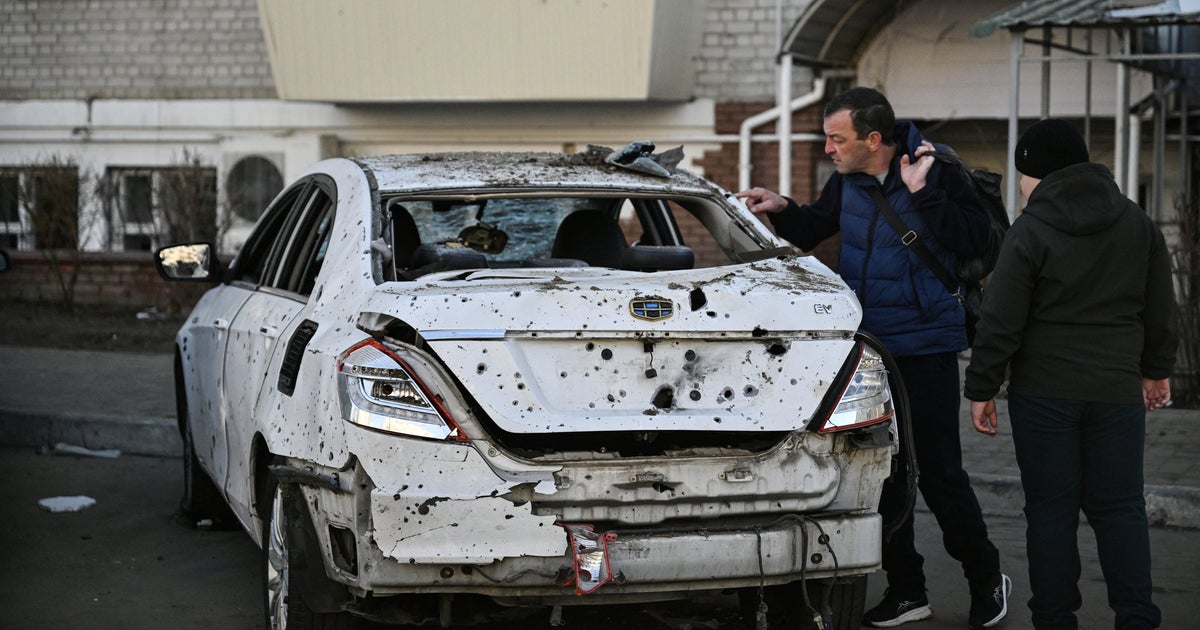
A combined missile and drone attack on the Kyiv region overnight killed at least six people and wounded dozens, Ukrainian officials said. The strikes damaged residential buildings, schools, enterprises and critical infrastructure across four districts; three wounded were reported in critical condition. Ukrainian President Volodymyr Zelenskyy said the main target was the region’s energy infrastructure and reported Russia launched roughly 430 drones and 68 missiles during the night. Russia’s Defense Ministry said it targeted energy and industrial facilities serving Ukraine’s armed forces and military airfields, and reported shooting down dozens of Ukrainian drones. The attack followed a U.S. postponement of peace talks between Russia and Ukraine and amid wider regional tensions tied to the war in the Middle East, where Russia has been reported to share intelligence with Iran. Kyiv is pressing Western partners to ramp up air-defense missile production and is awaiting U.S. approval on a major drone production agreement. Ukrainian forces reportedly struck an oil refinery and port in Russia’s Krasnodar region overnight as well. Both sides continued to claim front-line gains, and Russian officials emphasized no deadlines for negotiations while asserting military objectives are being met.
Biblical Reflection
Through a biblical lens this story is a stark reminder of the human cost of war and the moral failures that accompany violence. Scripture consistently condemns bloodshed and calls leaders and peoples to pursue justice and peace (Psalm 34:14; Matthew 5:9). The deliberate targeting of infrastructure that sustains civilian life — homes, schools, energy systems — raises questions about proportionality, care for the vulnerable, and the righteousness of means used in war. Christians must resist simplistic narratives that sanctify any side merely because it is ‘ours’; the Bible calls believers to speak truth and to defend the weak (Proverbs 31:8–9, Isaiah 1:17). At the same time, Romans 12 urges us not to repay evil with evil but to overcome evil with good — a hard ethic when faced with grief and anger. We should lament losses without dehumanizing opponents, press for accountability where war crimes occur, offer practical aid to those harmed, and pray for wisdom for leaders making grave decisions. Finally, the report’s note that a distant conflict may be exploited to distract or weaken support reminds Christians to remain discerning about geopolitical rhetoric and to prioritize care for innocent lives over partisan advantage.
Scripture in context
This outlook does not yet include contextual Scripture citations. Do not treat a general biblical theme as an exegetical conclusion.
Faithful Response
No prescribed response is offered. Consider the reflection prompts below in your own church context.
Reflection and Discussion
- 1How am I responding emotionally and spiritually to news of civilian suffering—with compassion, anger, or indifference—and what would a Christian response look like?
- 2In what concrete ways can I support or advocate for the protection of civilians and the strengthening of defenses that save lives, while holding fast to Christ’s call to love and seek peace?
- 3Am I prone to accept narratives that justify violence by my preferred side; how can I cultivate discernment and a commitment to truth and justice instead?
Sources
Reporting links are evidence inputs; Sanctuary News' biblical reflection is commentary.
This outlook currently relies on fewer than two linked sources. Broaden verification before teaching from it.
- 1.Original reportprimary