News Summary
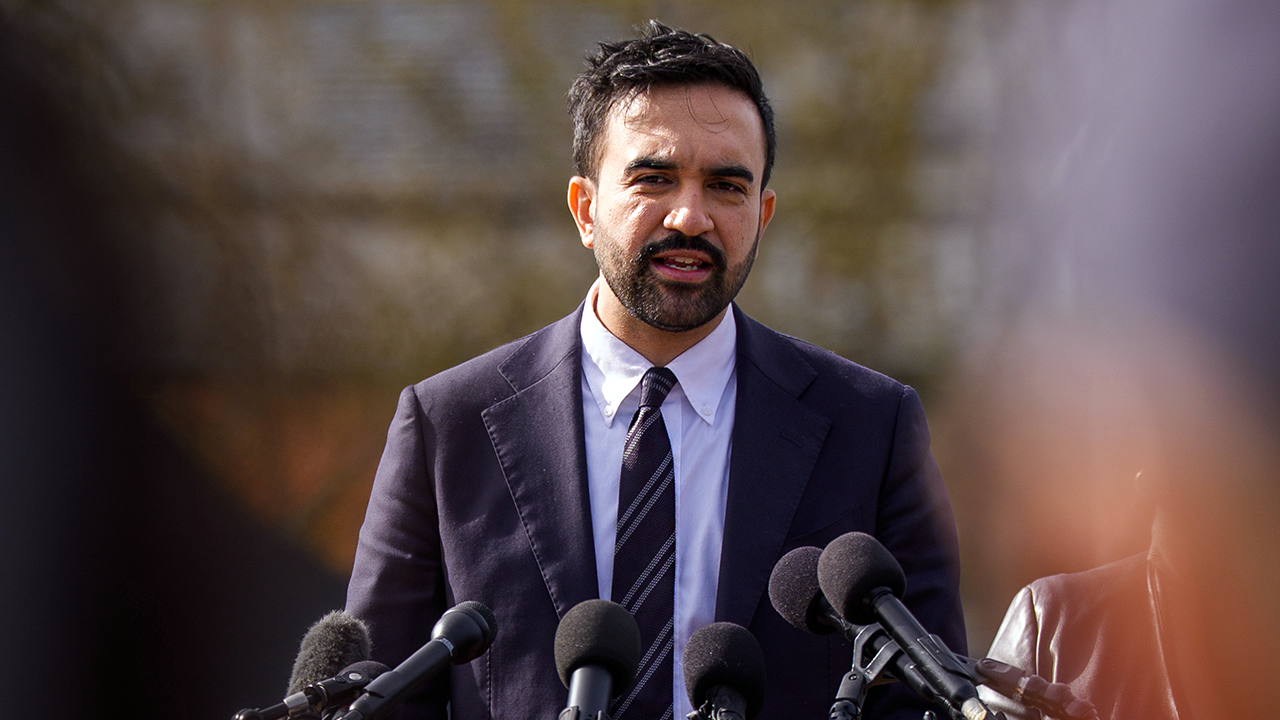
The article reports on New York City Mayor-elect Zohran Mamdani's response to a deadly mass shooting at a Hanukkah celebration at Bondi Beach, Sydney, Australia. The attack, labeled as an act of terrorism targeting the Jewish community, left at least 15 people dead and dozens wounded. Australian authorities identified the suspected attackers as a father and son; both were shot by police. The article notes that Mamdani, the first Muslim mayor-elect of NYC, condemned the attack as a 'vile act of antisemitic terror' and mourned the loss, particularly mentioning the death of Rabbi Eli Schlanger. However, Mamdani has remained silent on whether he would change his previous stance regarding the controversial phrase 'globalize the intifada,' which some view as a call to violence against Jews. The phrase has resurfaced in media discussion, with critics arguing that such rhetoric may inspire literal acts of violence, as seen in the recent attack. Mamdani emphasized his intention to protect the Jewish community in New York but did not clarify his position on the controversial slogan.
Biblical Reflection
From a biblical perspective, the events described are deeply tragic and call for clear moral discernment. Scripture consistently condemns violence, hatred, and the targeting of any group based on ethnicity or faith. The command to 'love your neighbor as yourself' (Mark 12:31) applies universally, without exception. While Mayor-elect Mamdani’s strong condemnation of the attack and his pledge to protect Jewish citizens are commendable, the reluctance to unequivocally distance oneself from language that can be interpreted as inciting violence is concerning. Words have power—Proverbs 18:21 reminds us that 'death and life are in the power of the tongue.' Leaders, especially those in positions of great influence, have a biblical responsibility to promote peace, reconciliation, and clarity in their public speech. Ambiguity in denouncing potentially violent rhetoric can sow confusion and may embolden those inclined toward literal and violent interpretations. Christians are called to be peacemakers, to 'seek peace and pursue it' (Psalm 34:14), and to clearly stand against antisemitism and all forms of hate. The biblical witness urges us to mourn with those who mourn (Romans 12:15), condemn evil, and speak truth in love—even when it is politically costly.
Scripture in context
This outlook does not yet include contextual Scripture citations. Do not treat a general biblical theme as an exegetical conclusion.
Faithful Response
No prescribed response is offered. Consider the reflection prompts below in your own church context.
Reflection and Discussion
- 1How do my words and actions promote peace and safety for vulnerable communities around me?
- 2Am I willing to clearly denounce language or actions that may lead to violence, even if it is unpopular?
- 3How can I actively support those who are mourning or fearful in the wake of tragedy?
Sources
Reporting links are evidence inputs; Sanctuary News' biblical reflection is commentary.
This outlook currently relies on fewer than two linked sources. Broaden verification before teaching from it.
- 1.Original reportprimary