News Summary
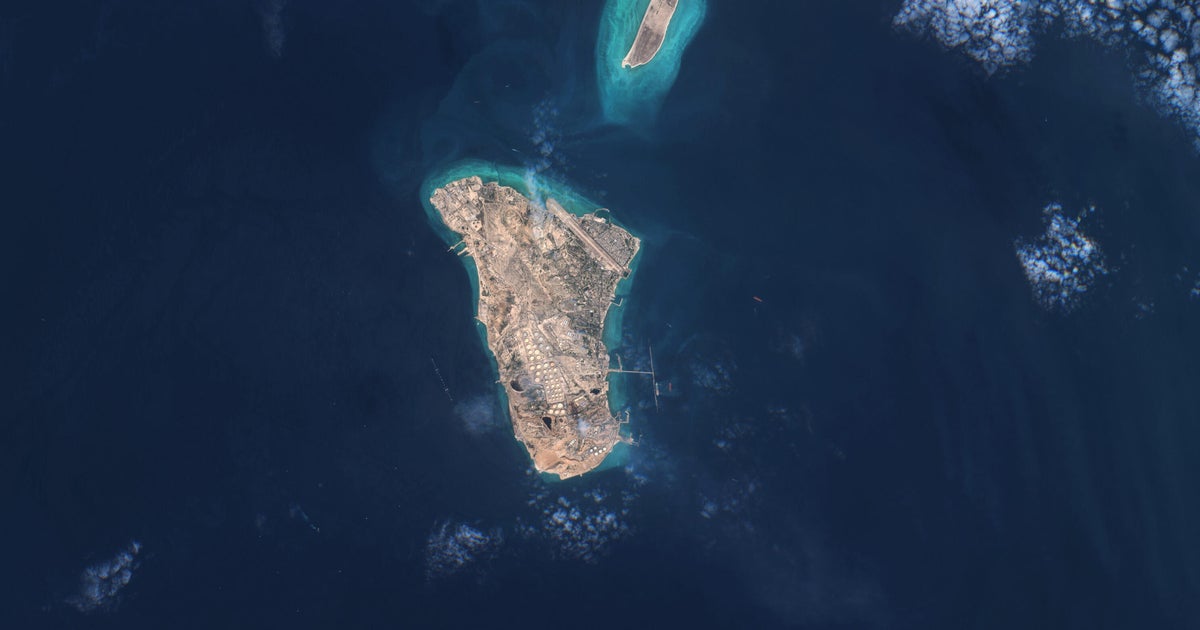
U.S. forces carried out precision strikes on military targets on Kharg Island, a key Iranian oil export hub located about 20 miles off Iran's northern Gulf coast. President Trump stated the strikes "totally obliterated" military targets while asserting that oil export infrastructure was intentionally spared, and warned Iran that further interference with free passage through the Strait of Hormuz would prompt reconsideration of that restraint. Kharg Island historically handles the vast majority of Iran's crude exports; damage to its loading facilities would sharply curtail Tehran's oil revenue and risk global market disruption. Tehran has heavily fortified Kharg since the Iran–Iraq War, including hardened storage and air defenses. Analysts warn that even without direct attacks on energy infrastructure, threats to Kharg could produce broad asymmetric responses from Iran—attacks on U.S. bases, militia actions in neighboring countries, and disruptions to shipping via mines, fast boats, and drones—raising costs and risks for operating in the Gulf. Global oil prices have risen amid the conflict, and markets remain sensitive to any escalation that might hit energy flows.
Biblical Reflection
From a biblical perspective the story raises difficult but important moral questions. Scripture honors legitimate defense and the role of governing authorities in protecting the common good (e.g., Romans 13), but it also calls God's people to pursue peace, to care for the vulnerable, and to lament the human cost of conflict (Matthew 5:9; Romans 12:18). The announced restraint from striking oil facilities reflects a concern to limit harm to civilian livelihoods and global welfare — a prudential ethic aligned with stewardship and protection of the needy. Yet the rhetoric of total destruction and public threats risks hardening hearts, escalating tit‑for‑tat violence, and increasing suffering among civilians who pay the greatest price in war. The strategic calculus of deterrence may offer short‑term leverage, but on a moral level Christians should weigh whether actions and words prioritize de-escalation, protect innocents, and seek just outcomes rather than revenge or dominance. We must also remember stewardship of creation and the global common good when energy infrastructure and markets are weaponized; economic pain disproportionately affects the poor. Practically, believers are called to pray for wisdom for leaders, compassion for victims, prophetic clarity where injustice or pride appears, and active pursuit of peace wherever possible.
Scripture in context
This outlook does not yet include contextual Scripture citations. Do not treat a general biblical theme as an exegetical conclusion.
Faithful Response
No prescribed response is offered. Consider the reflection prompts below in your own church context.
Reflection and Discussion
- 1In what ways can I pray or act to be a peacemaker amid news of military strikes and rising tensions?
- 2How should concerns for national security and deterrence be balanced with Christ's call to pursue peace and protect the vulnerable?
- 3What compassion or practical care can my community offer to those harmed indirectly by geopolitical conflict (refugees, families, economic victims)?
Sources
Reporting links are evidence inputs; Sanctuary News' biblical reflection is commentary.
This outlook currently relies on fewer than two linked sources. Broaden verification before teaching from it.
- 1.Original reportprimary