News Summary
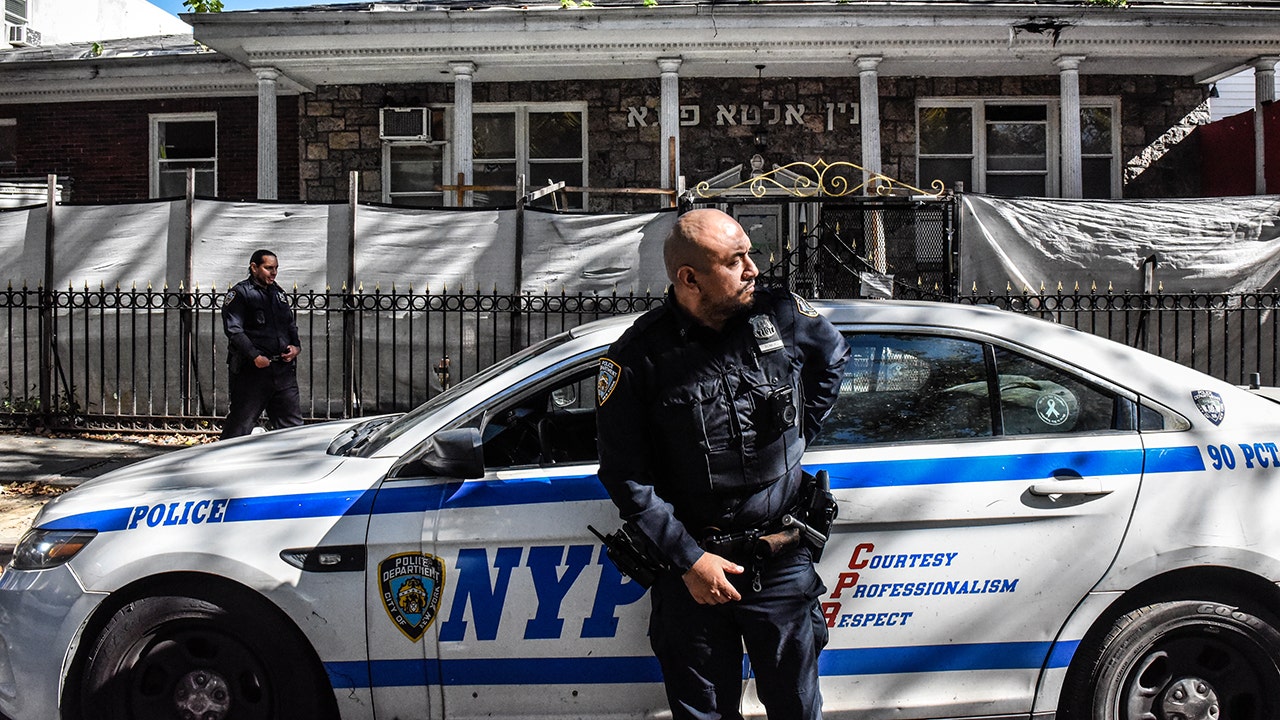
As Passover began, Jewish communities across the United States were operating under heightened security alerts. New York City officials, including NYPD leadership, briefed community leaders and increased patrols. The article cites a series of recent anti-Jewish incidents — including a March 12, 2026, attack in West Bloomfield, Michigan, where a man rammed a vehicle into Temple Israel and opened fire while more than 100 preschool children were present, and reported assaults on Jewish men in California — and FBI data indicating anti-Jewish hate crimes account for the largest share of religion-based crime incidents in recent years. Community and security experts say the current federal funding level for security (through FEMA’s Nonprofit Security Grant Program, which allows up to $200,000 per location) and the timing of awards are inadequate compared with estimated needs ($400,000–$500,000 per location cited by security professionals). Representatives and advocates, including Rep. Josh Gottheimer, are pushing to increase NSGP funding (a proposal to raise it to $1 billion in FY2027 is mentioned). The article quotes security analysts who recommend layered protections (trained personnel, reinforced entry points, surveillance, controlled access, emergency training) and includes commentary advocating greater normalization of lawful firearm ownership and armed guards as community defense measures. The piece also notes that much of the security financial burden currently falls on Jewish communities themselves and that coordination with local law enforcement is being emphasized; FEMA did not respond to requests for comment in the article.
Biblical Reflection
From a Christian perspective the facts reported — rising antisemitic incidents and communities seeking protection — call us first to compassion, solidarity, and a commitment to justice for vulnerable neighbors. Scripture repeatedly instructs God’s people to care for the oppressed and to seek their protection (see scripture below). The article correctly highlights a material gap between threat levels and available public funding; that is an objective policy issue Christians can evaluate on its merits. At the same time, readers should note the article’s framing and sources: it emphasizes security and self-defense solutions (including armed guards and normalizing firearm ownership) and includes partisan praise of specific political leaders. That emphasis reflects a security-first worldview that privileges deterrence and community self-reliance. While deterrence measures can and have saved lives, Christians should weigh such proposals alongside biblical calls to peacemaking, reconciliation, and prudence. The article underrepresents non-security responses (interfaith solidarity, preventative education, civil remedies, campus/institutional reforms) and gives more space to voices advocating armed defense, which can shape public perception toward militarized solutions. Truth-seeking Christians should affirm the legitimate need to protect life and property, advocate for just and timely public support for at-risk institutions, and also resist letting fear harden hearts or justify dehumanizing rhetoric. We must defend the afflicted, seek structural remedies (adequate, timely funding; law enforcement coordination; hate-crime enforcement), and practice neighborly love that opposes antisemitism in all forms without allowing partisan loyalties to obscure ethical judgment.
Scripture in context
This outlook does not yet include contextual Scripture citations. Do not treat a general biblical theme as an exegetical conclusion.
Faithful Response
No prescribed response is offered. Consider the reflection prompts below in your own church context.
Reflection and Discussion
- 1What assumptions about security (e.g., reliance on armed guards, federal vs. local responsibility) shape the article’s proposed solutions, and whose voices are amplified or missing?
- 2How does partisan framing in reporting on community safety influence public willingness to fund or support nonviolent, justice-oriented responses to hate crimes?
- 3In responding to rising targeted violence, how should Christians balance the biblical imperatives to protect the vulnerable, pursue justice, and pursue peace?
Sources
Reporting links are evidence inputs; Sanctuary News' biblical reflection is commentary.
This outlook currently relies on fewer than two linked sources. Broaden verification before teaching from it.
- 1.Original reportprimary