News Summary
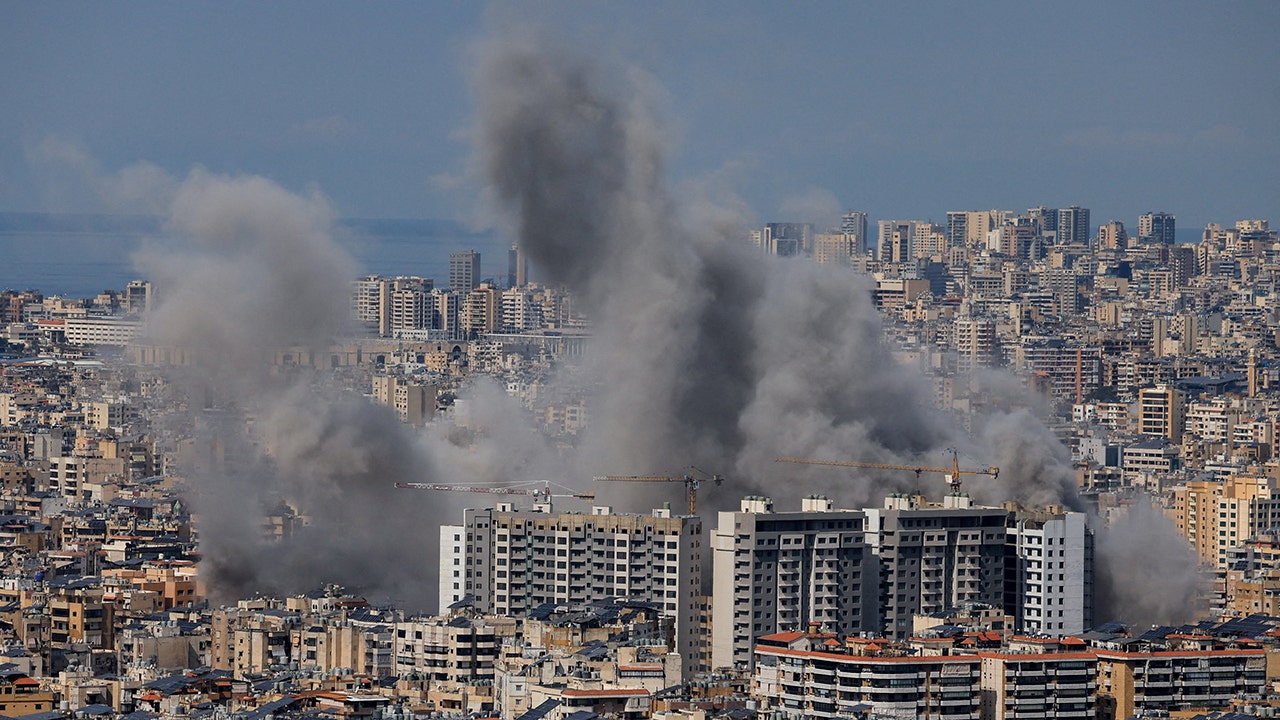
Israel carried out airstrikes on sites in Beirut's southern suburbs it identified as Hezbollah command centers after officials said rockets were fired into northern Israel; Hezbollah did not immediately claim responsibility. The strikes followed a recently announced conditional ceasefire framework among the U.S., Israel and Lebanon requiring Hezbollah to halt fire and withdraw from parts of southern Lebanon. The Israel Defense Forces (IDF) released video showing troops dismantling a hidden explosives facility they said contained materials for makeshift shrapnel devices (including nails and sharp objects) and propane tanks. An outside security expert quoted in the report said those components are consistent with anti-personnel shrapnel bombs intended to wound or kill people. Separately, the IDF announced a recent strike that killed a Hezbollah explosives engineer, identified as Abed Harb, whom Israel described as responsible for past attacks. Israeli officials characterized the airstrikes as retaliation for the earlier rocket fire; the sequence of actions reflects a cross-border escalation between Israel and Hezbollah/Lebanon.
Biblical Reflection
From a Christian perspective, this report raises concerns about truth-telling, the protection of noncombatants, and the moral costs of retaliation. The coverage emphasizes Israeli security claims and military evidence (IDF footage and an outside expert’s analysis) but does not present independent verification from neutral investigators or Lebanese civilian authorities; that suggests a potential sourcing bias toward one side of the conflict. The framing — highlighting weapons intended to wound civilians and describing strike targets as 'command centers' — underscores the real threat such devices pose, yet it can also simplify complex causes and omit the experiences of Lebanese civilians living near targets. Christians should weigh the factual claims carefully, resist approving violence out of tribal loyalty, and insist on accountability and protection for the vulnerable. Seeking peace and justice means both calling out preparations for harm (if substantiated) and praying for de-escalation, humanitarian access, and impartial investigation of civilian harm. Discernment is needed when military footage is used to make political or moral claims; compassion for victims should temper any celebration of tactical gains.
Scripture in context
This outlook does not yet include contextual Scripture citations. Do not treat a general biblical theme as an exegetical conclusion.
Faithful Response
No prescribed response is offered. Consider the reflection prompts below in your own church context.
Reflection and Discussion
- 1Which voices or sources are absent from this report, and how would independent verification or local civilian testimony change our understanding?
- 2How does the article’s emphasis on military evidence shape our moral response toward the people on both sides of the conflict?
- 3What long-term risks does a tit‑for‑tat escalation like this create for civilians, regional stability, and prospects for a durable peace?
Sources
Reporting links are evidence inputs; Sanctuary News' biblical reflection is commentary.
This outlook currently relies on fewer than two linked sources. Broaden verification before teaching from it.
- 1.Original reportprimary