News Summary
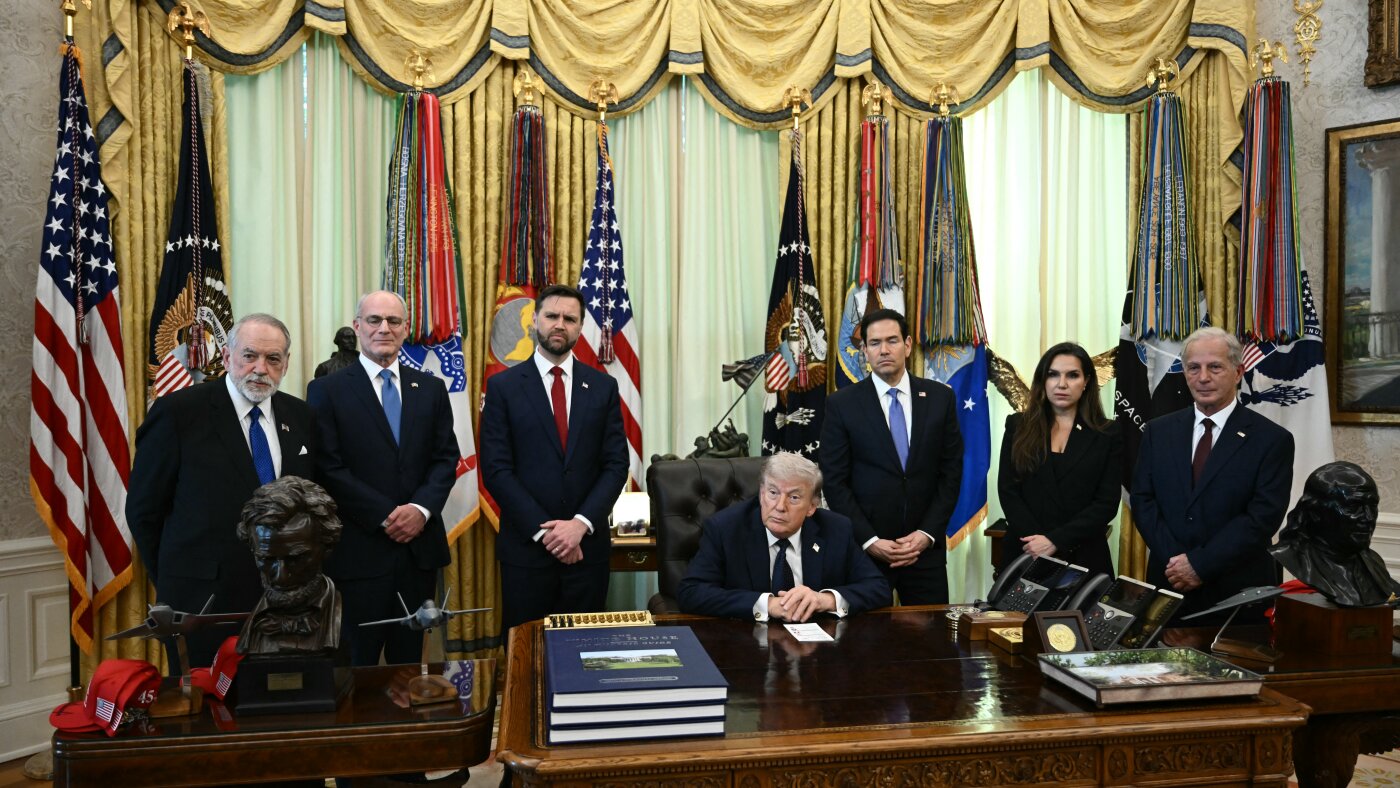
At a White House meeting, ambassadors from Israel and Lebanon agreed to extend their ceasefire by three weeks; Hezbollah was not a participant in those talks. Hours after the extension was announced, Hezbollah fired rockets into northern Israel and the Israeli military reported strikes on several Hezbollah sites in southern Lebanon. An Israeli airstrike in southern Lebanon killed Lebanese journalist Amal Khalil while she was reporting; press-rights groups say she is the eighth journalist killed in Lebanon by Israeli forces over the past two months. Lebanese officials report more than 2,400 people killed in the Lebanon conflict and roughly 1.2 million displaced. Separately, the United States said it seized a tanker carrying Iranian oil in the Indian Ocean after Iran had seized two commercial ships in the Strait of Hormuz; President Trump posted that he ordered the U.S. Navy to “shoot and kill any boat” laying mines in the strait and said the U.S. would increase minesweeping. The U.S. has also publicly extended a ceasefire with Iran; Iranian officials called that extension meaningless while criticizing an ongoing U.S. naval blockade of Iranian ports and refusing to resume negotiations until the blockade is lifted. Additional regional violence reported includes drone strikes against a Kurdish group base in Iraq and other cross-border attacks. International figures, including the pope, urged renewed negotiations and restraint.
Biblical Reflection
From a Christian perspective, the article highlights the tragic human cost when diplomacy, security aims, and armed actors collide. Scripture consistently calls for the protection of the innocent and the pursuit of peace (e.g., Matthew 5:9). Several practical and moral concerns stand out: (1) civilian protection and the value of truth — the deaths of journalists and civilians call for careful, independent investigation and accountability; (2) rhetoric and dehumanization — language that endorses summary lethal force or normalizes collateral harm weakens moral restraint and risks greater injustice; (3) incomplete narratives — the article documents multiple actors (state forces, militias, external powers) but also shows how talks that exclude key parties (e.g., Hezbollah) can leave ceasefires fragile; and (4) the limits of military solutions — diplomatic engagement, humanitarian access, and credible enforcement mechanisms are necessary to convert ceasefires into lasting peace. The piece leans on governmental and organizational claims (Lebanese government casualty figures, CPJ statements, U.S. and Iranian official lines) and includes some unverified reporting cited from other outlets; readers should therefore weigh source limits and notice which voices are present or absent. Christians are called both to pray for peace and to insist on truth, accountability, and protection for the vulnerable in public discourse.
Scripture in context
This outlook does not yet include contextual Scripture citations. Do not treat a general biblical theme as an exegetical conclusion.
Faithful Response
No prescribed response is offered. Consider the reflection prompts below in your own church context.
Reflection and Discussion
- 1Which voices and actors are present in this coverage, and whose perspectives (including nonstate actors, civilians, or independent investigators) are missing or underrepresented?
- 2How does rhetoric that emphasizes force or dehumanizing language affect our ability to seek truth and protect civilians, and how should Christians weigh claims of security against demands for accountability?
- 3What structures—diplomatic, legal, humanitarian—would need to be in place for a temporary ceasefire to become a sustainable peace, and where do current negotiations fall short?
Sources
Reporting links are evidence inputs; Sanctuary News' biblical reflection is commentary.
This outlook currently relies on fewer than two linked sources. Broaden verification before teaching from it.
- 1.Original reportprimary