News Summary
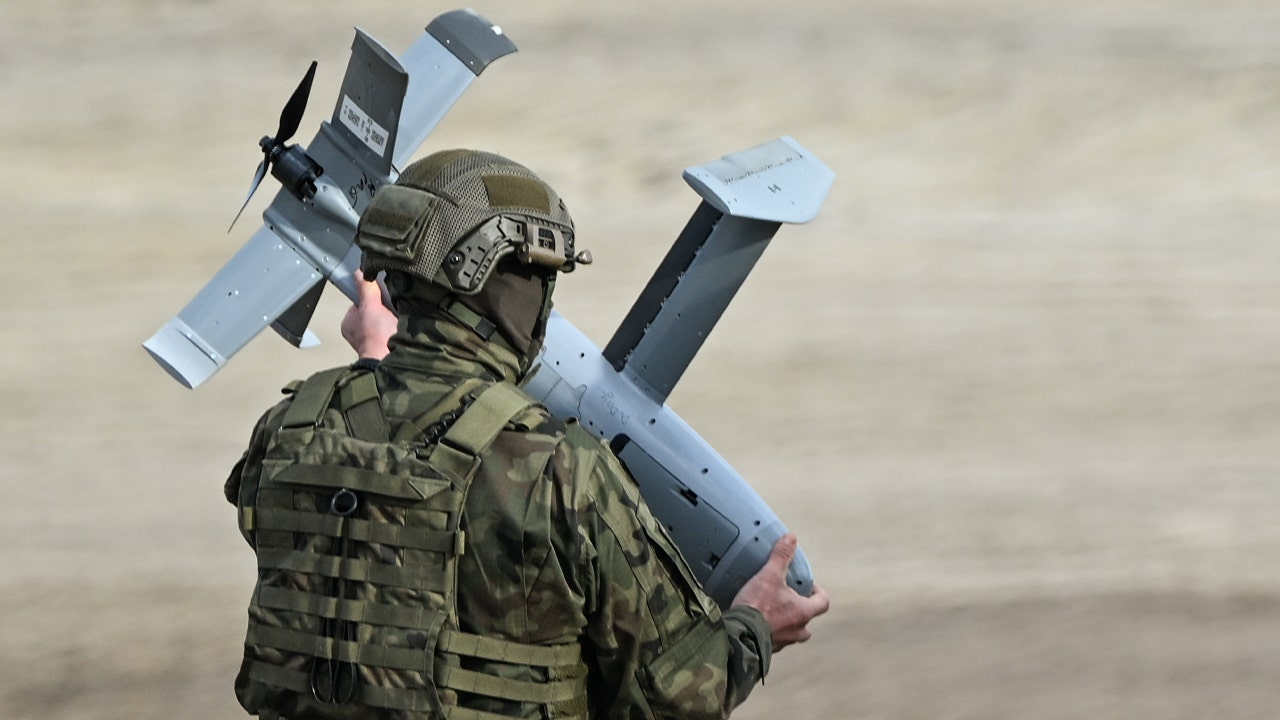
Cheap Iranian-made drones and ballistic missiles are forcing the Pentagon and Gulf partners to expand layered air defenses across the Middle East. The United Arab Emirates reported detecting nine ballistic missiles and 35 drones in a recent attack; eight missiles were intercepted and 26 drones were shot down while nine crashed on UAE soil. Iranian one-way attack drones (notably Shahed-type) present challenges to traditional high-altitude missile defenses because they fly low, slower, and in clusters. A March 1 strike near Camp Arifjan, Kuwait, using an attack drone killed six U.S. service members and wounded dozens, underscoring the human cost. The cost imbalance—expensive missile interceptors versus cheap expendable drones—creates a sustainability problem for existing defenses. In response, the U.S. is accelerating a layered counter-UAS approach combining short-range interceptors, electronic warfare, mobile interceptor drones (e.g., Merops), autonomous systems (e.g., Anduril’s Roadrunner), and emerging directed-energy weapons like high-energy lasers. Lasers promise repeatable shots without per-shot missile cost but require power and integration investments. Lessons from Ukraine’s experience with mass-produced Shahed drones are being shared and adapted. U.S. Central Command has been surging procurement and deploying multiple counter-UAS systems to defend bases, ships, and high-value targets as drone production and tactics scale up.
Biblical Reflection
From a biblical perspective, this story touches on several core concerns: the duty to protect the vulnerable, the moral cost of warfare, wise stewardship of resources, and the pursuit of peace. Scripture affirms legitimate defense of life (e.g., the call to protect the innocent) while also calling leaders and nations to seek peace (Matthew 5:9). The development and deployment of layered defenses can be an expression of love for one’s neighbor when it protects soldiers and civilians from harm. Yet the dynamics described—an arms race between low-cost offensive tools and high-cost defensive responses—raise warnings about squandered resources and escalating violence (Proverbs warns against folly and waste). Christians should be wary of celebrating military innovation apart from its ends: do smarter defenses reduce suffering and lead to de-escalation, or do they enable longer conflict and retaliatory cycles? The emphasis on technology (lasers, interceptors, jamming) should not obscure pastoral priorities: grieving those who die, supporting wounded troops and families, advocating for strategies that minimize civilian harm, and urging leaders toward diplomacy where possible. Finally, this situation invites lament—at the ingenuity devoted to killing and at the human cost—while calling the church to pray for protection, wisdom for leaders, repentance where aggression is unjust, and active peacemaking where feasible.
Scripture in context
This outlook does not yet include contextual Scripture citations. Do not treat a general biblical theme as an exegetical conclusion.
Faithful Response
No prescribed response is offered. Consider the reflection prompts below in your own church context.
Reflection and Discussion
- 1How can I pray for and practically support service members and civilians affected by these attacks while still holding to Jesus’ call to be peacemakers?
- 2In what ways should Christians weigh the need for defense with the call to pursue peace and wise stewardship of resources?
- 3What steps can our community take to lament violence, care for the wounded, and advocate for policies that protect life while seeking diplomatic solutions?
Sources
Reporting links are evidence inputs; Sanctuary News' biblical reflection is commentary.
This outlook currently relies on fewer than two linked sources. Broaden verification before teaching from it.
- 1.Original reportprimary