News Summary
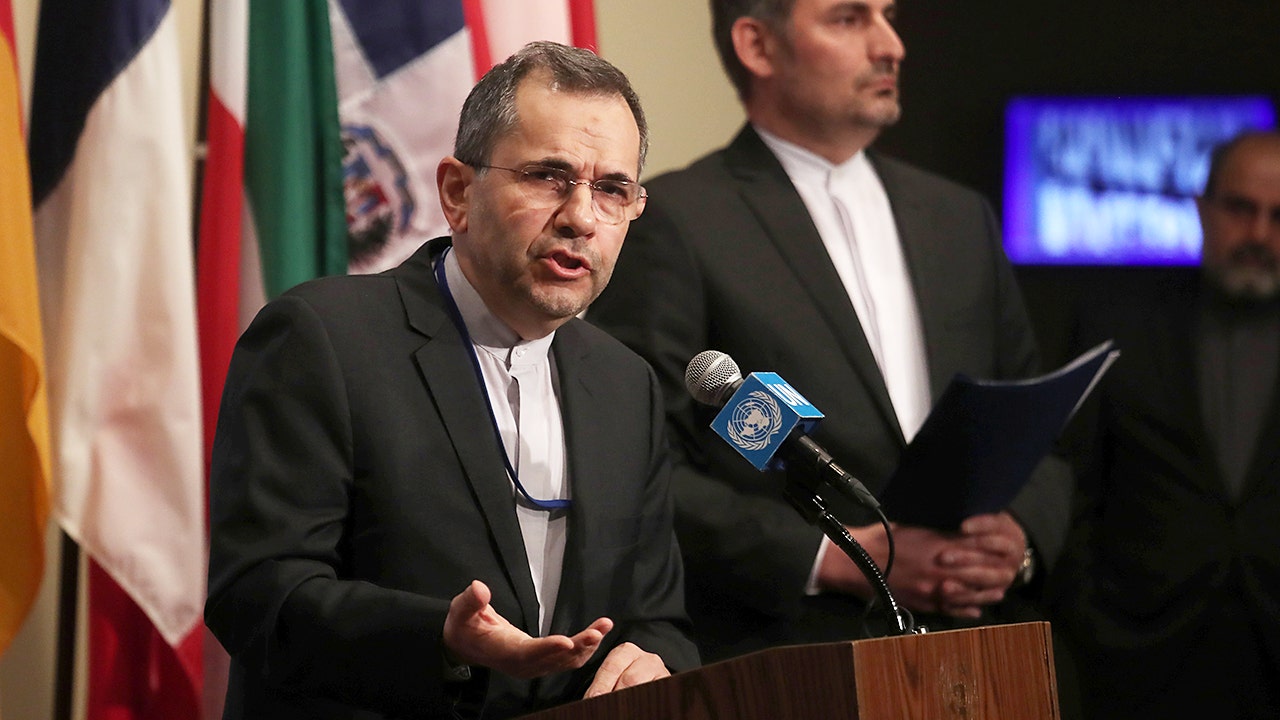
The article covers escalating tensions between Iran and Western nations amid ongoing military operations involving the U.S., Israel, and Iran. Iran’s Deputy Foreign Minister, Majid Takht-Ravanchi, issued a warning that European countries would become 'legitimate targets' if they join military actions against Iran, framing Iranian responses as self-defense. Iranian President Masoud Pezeshkian apologized to neighboring countries recently attacked by Iran and pledged not to attack again unless Iran is provoked. The article also references Iran’s ongoing negotiations with the U.S. over its nuclear program, and describes recent missile strikes by Iran on several Middle Eastern countries, many of which were intercepted. The story unfolds against a backdrop of military operations—Operation Epic Fury by the U.S. and Operation Roaring Lion by Israel—and broader concerns about regional and global security.
Biblical Reflection
From a biblical perspective, this article highlights the destructive cycle of threats and violence that often characterizes international relations and warfare (James 4:1-2). The rhetoric of 'legitimate targets' and retaliatory strikes reflects a worldly approach to conflict, driven by fear, pride, and a desire for self-preservation rather than reconciliation or peace. Scripture calls believers to be peacemakers (Matthew 5:9) and warns against repaying evil for evil (Romans 12:17-21), emphasizing instead the pursuit of justice, mercy, and reconciliation. While governments do have a God-ordained responsibility to protect their people (Romans 13:1-4), the escalation of threats and violence leads to suffering, especially for innocent civilians. The apology from Iran's president hints at a desire for diplomatic solutions, yet actions must match words. Christians are called to pray for leaders and for peace, recognizing that true security and justice come from God, not from military might or retaliation.
Scripture in context
This outlook does not yet include contextual Scripture citations. Do not treat a general biblical theme as an exegetical conclusion.
Faithful Response
No prescribed response is offered. Consider the reflection prompts below in your own church context.
Reflection and Discussion
- 1In what ways can we personally and collectively pursue peace rather than perpetuate cycles of retaliation?
- 2How should Christians respond to threats of violence and international conflict in light of Jesus’ teachings?
- 3What does it mean to pray for our leaders and all those affected by war, even those we might view as adversaries?
Sources
Reporting links are evidence inputs; Sanctuary News' biblical reflection is commentary.
This outlook currently relies on fewer than two linked sources. Broaden verification before teaching from it.
- 1.Original reportprimary