News Summary
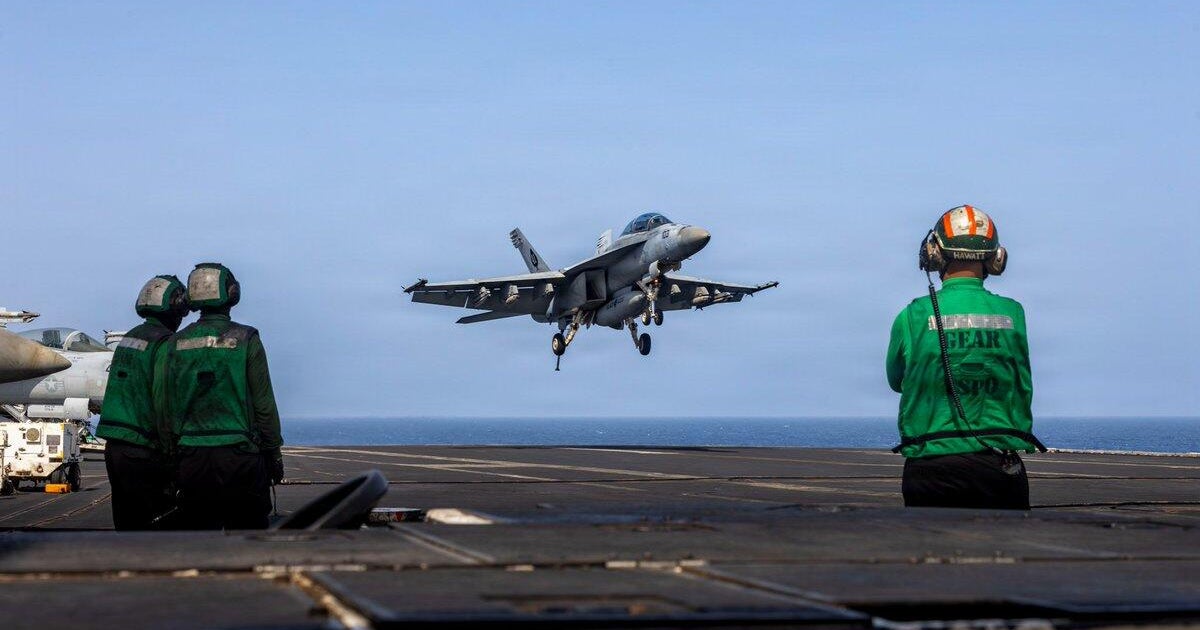
U.S. forces carried out strikes in southern Iran this week that U.S. officials described as "defensive," targeting Iranian one-way attack drones, launchers and a ground control site near Bandar Abbas. CENTCOM said Iranian forces launched five attack drones that posed threats near the Strait of Hormuz; U.S. forces intercepted those drones and prevented a sixth launch. In apparent retaliation, Iran's Islamic Revolutionary Guard Corps reported it fired on a U.S. base that it said was used in the U.S. strikes. CENTCOM and other officials said there were no reports of damage to U.S. facilities. Later, CENTCOM reported that at 10:17 p.m. ET on May 27 Iran launched a ballistic missile toward Kuwait; Kuwaiti forces intercepted and destroyed the missile. Kuwait and U.S. statements characterized the intercept as successful. Iranian state media and Iranian officials offered differing accounts, saying U.S. projectiles struck empty areas and framing their own actions as responses to U.S. aggression.
Separately, the U.S. Treasury announced sanctions on Iran's newly created Persian Gulf Strait Authority (PGSA), an agency Iran says collects fees for commercial traffic through the Strait of Hormuz; Treasury warned entities against paying those fees. President Trump made forceful public remarks about preventing any state from "controlling" the strait and reiterated strong rhetoric toward Iran and Oman. Pakistan continues diplomatic engagement and plans high-level talks in Washington as part of mediation efforts. International organizations and regional actors raised alarms about broader regional escalation: the U.N. peacekeeping mission in southern Lebanon (UNIFIL) reported a spike in projectiles and growing civilian displacement as Israel expands operations against Hezbollah; the Gulf Cooperation Council condemned attacks on Kuwait and affirmed support for Kuwaiti security. Independent assessments show reduced shipping traffic through the Strait of Hormuz and increased "dark transits" where ships turn off location broadcasts. Human rights groups reported a rise in executions in Iran since the start of the wider conflict.
Biblical Reflection
This report shows a familiar pattern in modern conflict: tactical military actions, rapid public statements by multiple governments, and competing narratives from state and independent sources. Christians should notice how easily facts become contested when armies, governments, and state media each offer different accounts. The immediate human costs — threatened civilians, refugees, and the risk of wider escalation — are the clearest moral concerns. Language that dehumanizes or boasts of irreversible destruction, and rhetoric that treats strategic waterways and foreign states as objects to be "finished," should trouble those who follow Christ, because such language makes it easier to accept violence as a solution rather than a last resort.
At the same time, there are legitimate responsibilities to protect innocent life and commercial navigation. Sanctions, defensive military actions, and diplomatic shuttle efforts are instruments states use to pursue those ends; they must be judged by whether they contribute to real security and reduce harm to civilians or whether they inflame the conflict and deepen suffering. The article quotes officials from many sides; the truth will often be best approached by weighing independent reporting, official admissions, and the observable consequences on civilians. Christians are called to seek truth (not merely the most convenient narrative), to mourn with those who suffer, and to press for measures that protect the vulnerable and open pathways to de-escalation and negotiation.
Scripture in context
This outlook does not yet include contextual Scripture citations. Do not treat a general biblical theme as an exegetical conclusion.
Faithful Response
No prescribed response is offered. Consider the reflection prompts below in your own church context.
Reflection and Discussion
- 1Which sources in this story have independent verification and which rely on government or state media claims — how does that shape the reliability of each account?
- 2How does the language of control, deterrence, and threat influence public acceptance of military action, and what spiritual dangers arise when victory is framed as total destruction of an opponent?
- 3Who bears the immediate cost of these escalations (civilians, displaced families, prisoners), and are their needs visible in the policies and rhetoric of the involved states?
Sources
Reporting links are evidence inputs; Sanctuary News' biblical reflection is commentary.
This outlook currently relies on fewer than two linked sources. Broaden verification before teaching from it.
- 1.Original reportprimary