News Summary
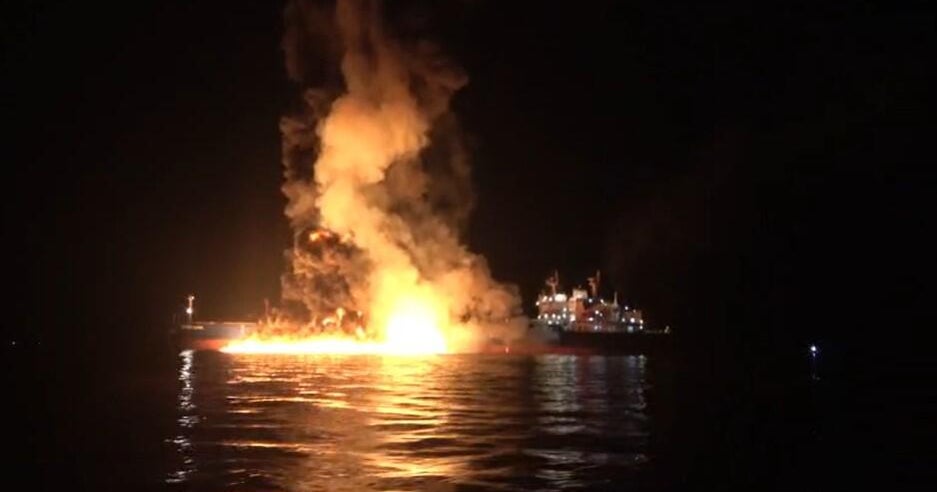
The article reports on multiple developments in the widening U.S.-Israeli war with Iran. A U.S. KC-135 tanker involved in operations over western Iraq crashed; recovery is underway and the cause was reported not to be hostile or friendly fire. President Trump made public remarks framing the campaign as successful and describing Iran as a terror-supporting state. Around 47,000 Americans have returned from the Middle East and the State Department continues to urge departures from 14 countries; some citizens report limited assistance from airlines and frustration with travel help. Iran and its proxies have been striking tankers and Gulf states, effectively closing the Strait of Hormuz and contributing to a spike in oil prices (Brent briefly above $100) and global stock market declines. The U.S. and allies announced strikes on many Iranian targets; Iran reports strikes against vessels and says it will continue to use the Strait of Hormuz as leverage. Iran’s new Supreme Leader, Ayatollah Mojtaba Khamenei, issued his first prepared public statement emphasizing continuity, framing the conflict as defensive, promising revenge for martyrs, praising regional allies, and endorsing continued pressure on shipping. The conflict has caused significant civilian casualties and displacement in Lebanon and Iran, damage to cultural sites, disruption of maritime traffic, and international alarm; the IEA and U.S. announced large releases from strategic reserves that have so far had limited calming effect on markets. International bodies like the IMO and UNESCO have been asked to respond, and nations are weighing naval escorts, coalition responses, and temporary policy measures (e.g., a possible Jones Act waiver) to protect supplies.
Biblical Reflection
Through a biblical lens this story raises familiar moral and pastoral questions: the sanctity of life amid war, the temptation of vengeance, the responsibilities of leaders, and the care of the vulnerable.
Scripture repeatedly affirms God's concern for the oppressed and the command to seek peace. The escalation and rhetoric of revenge (promises to ‘avenge’ martyrs) must be weighed against calls to leave ultimate judgment to God (Romans 12:19) and Jesus’ teaching that peacemakers are blessed (Matthew 5:9). When leaders use religious language to justify violence or mobilize grief into prolonged conflict, Christians should judge such rhetoric by whether it promotes protection of civilians, pursuit of justice, and restoration of peace, or whether it normalizes retaliatory cycles that destroy lives and cultural heritage (including the reported damage to historical sites).
Economically, deliberate attempts to choke shipping and markets weaponize daily necessities and harm the poor and displaced first—contrary to biblical commands to care for widows, orphans, and strangers (James 1:27; Isaiah 1:17). Christians are called to compassionate action: pray for victims, care for refugees and the wounded, advocate for humanitarian access, and press leaders to minimize civilian harm and pursue diplomatic openings. That includes holding domestic leaders accountable for honesty, restraint, and clear plans to protect civilian life and international order.
Practically: condemn injustice and violence on all sides, mourn lives lost, support tangible relief for refugees and civilians, urge policymakers toward de-escalation and negotiation, and resist simplistic narratives that celebrate military success without seeking sustainable peace. Christians should refuse to let patriotism or tribalism eclipse the gospel’s call to love enemies (Matthew 5:44) and to hunger for justice and reconciliation (Micah 6:8).
Scripture in context
This outlook does not yet include contextual Scripture citations. Do not treat a general biblical theme as an exegetical conclusion.
Faithful Response
No prescribed response is offered. Consider the reflection prompts below in your own church context.
Reflection and Discussion
- 1Where in my own heart do I feel tempted toward anger or vindication when I hear news of attacks and retaliation, and how can I bring that to God in prayer?
- 2What practical steps can I or my faith community take now to help civilians harmed by this conflict—refugees, displaced families, and those injured?
- 3How should I evaluate leaders’ rhetoric and policies in light of Christ’s call to pursue peace and protect the vulnerable?
Sources
Reporting links are evidence inputs; Sanctuary News' biblical reflection is commentary.
This outlook currently relies on fewer than two linked sources. Broaden verification before teaching from it.
- 1.Original reportprimary