News Summary
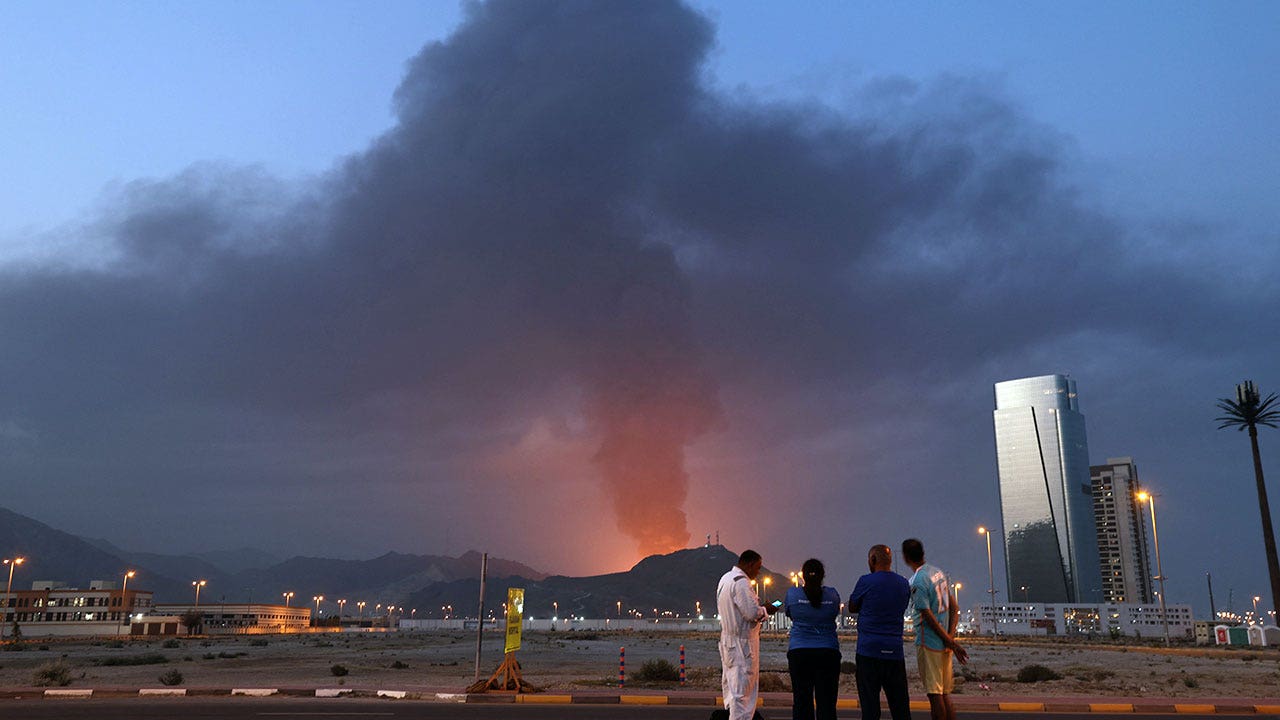
This is an opinion column by Amjad Taha published by Fox News arguing that Iranian missile and drone strikes this spring hit multiple Gulf cities (Abu Dhabi, Manama, Amman) and Tel Aviv, killing civilians in the UAE, Bahrain, Kuwait and Israel. The author asserts that Tehran makes no distinction between Arabs and Jews and that some antisemitic attacks in Western cities and on campuses increased shortly after the outbreak of the war, with monitoring groups reporting a spike in incidents and some plots allegedly linked to fronts of Iran’s Islamic Revolutionary Guard Corps. The piece highlights visible Jewish life in the UAE (kosher restaurants, schools, the Abrahamic Family House) and presents the Abraham Accords and Gulf coexistence as a counterexample to the regime Tehran opposes. The columnist contends that blaming Jewish communities for Iranian aggression plays into Tehran’s strategy and that the UAE-style model of coexistence is a preferable alternative to the Tehran model of militias and missiles.
Biblical Reflection
The article raises a real moral concern: violence and hatred that target civilians and religious communities are unjust and must be condemned. From a Christian-lens, the piece rightly highlights the moral wrong of collective blame and the strategic danger of allowing regimes to provoke communal violence abroad and at home. However, it is an opinion piece with an explicit political perspective: it emphasizes the UAE’s coexistence narrative and attributes much antisemitic violence directly to Tehran’s influence, which may oversimplify complex local dynamics and legitimate distinctions between criticism of state actions and hate against people. Christians should resist both antisemitism and any scapegoating of entire communities, seek verified evidence before accepting claims about responsibility, and hold leaders accountable while pursuing reconciliation. The article’s framing privileges a binary choice—Tehran’s model vs. the Abu Dhabi model—which is rhetorically powerful but risks minimizing underlying grievances, regional complexity, and the responsibility of local actors in Western protests. The faithful response is to pursue truth, protect the vulnerable, and work for peace and honest dialogue rather than partisan narratives that encourage fear or retribution.
Scripture in context
This outlook does not yet include contextual Scripture citations. Do not treat a general biblical theme as an exegetical conclusion.
Faithful Response
No prescribed response is offered. Consider the reflection prompts below in your own church context.
Reflection and Discussion
- 1Who benefits when violence is blamed on a whole people rather than on the actors who carried it out, and how does that shape our response?
- 2How do we distinguish legitimate criticism of a government's actions from prejudice against an entire religious or ethnic community?
- 3Are we confirming a simple narrative because it comforts our commitments, or are we seeking verified facts even when they complicate our loyalties?
Sources
Reporting links are evidence inputs; Sanctuary News' biblical reflection is commentary.
This outlook currently relies on fewer than two linked sources. Broaden verification before teaching from it.
- 1.Original reportprimary