News Summary
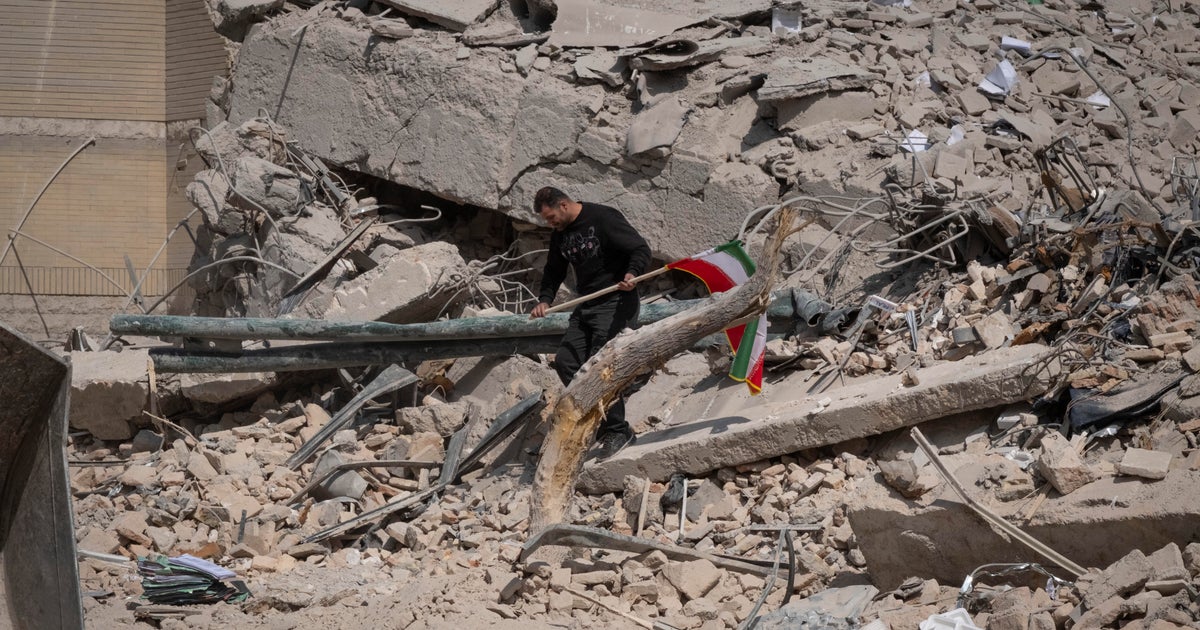
The article details the ongoing and escalating U.S.-led war against Iran, which has seen intensive military operations by both the U.S. and Israel. President Trump and Defense Secretary Pete Hegseth emphasized the intensifying campaign, claiming significant degradation of Iran’s military capabilities and nuclear ambitions. The conflict has had widespread repercussions: mass civilian displacement and casualties in Lebanon, Iran, and Israel; attacks on Gulf state infrastructure; paralyzed shipping lanes; and economic shocks, especially in energy markets. The U.S. is organizing evacuations for American citizens in the region, amidst criticism for insufficient early planning. The article also notes diplomatic rifts, with some U.S. allies refusing participation, and humanitarian agencies urging for protection of civilians. Iranian leadership is in transition after the death of Ayatollah Khamenei, and various regional actors (like the Houthis in Yemen) are weighing their involvement. The article documents not only military developments but also the mounting civilian toll, with over 1,000 reported civilian deaths in Iran alone, including many children.
Biblical Reflection
Viewed through a biblical lens, the news paints a sobering picture of humanity’s ongoing cycles of violence, pride, and political maneuvering. Scripture repeatedly warns against the shedding of innocent blood (Proverbs 6:16-19) and calls on leaders to pursue peace and justice (Psalm 34:14; Micah 6:8). The reported civilian casualties, particularly among children, and the displacement of families, stand in stark contrast to the call to protect the vulnerable. While governments cite security and preemption, the means and scale of destruction raise serious questions about proportionality, mercy, and the true pursuit of peace. The rhetoric of victory and dominance, the suffering of noncombatants, and the uncertainty sown across the region illustrate the tragic cost of war and the spiritual dangers of trusting in military might over God’s justice and guidance (Psalm 20:7). The church is called to mourn with those who mourn (Romans 12:15), to pray for peace, and to advocate for the protection of all lives—friend and enemy alike—while recognizing that ultimate security and hope are found only in Christ. The escalation and hardening of hearts on all sides echo the warnings of Jesus about wars and rumors of wars, and the need for His followers to be peacemakers (Matthew 5:9), not cheerleaders for violence.
Scripture in context
This outlook does not yet include contextual Scripture citations. Do not treat a general biblical theme as an exegetical conclusion.
Faithful Response
No prescribed response is offered. Consider the reflection prompts below in your own church context.
Reflection and Discussion
- 1How do you respond when you see leaders or nations justifying violence for security or political gain?
- 2In what ways might you be called to pray or advocate for the protection of civilians, especially children, in times of war?
- 3What does it look like to 'love mercy' and 'walk humbly' in a world torn by conflict?
Sources
Reporting links are evidence inputs; Sanctuary News' biblical reflection is commentary.
This outlook currently relies on fewer than two linked sources. Broaden verification before teaching from it.
- 1.Original reportprimary