News Summary
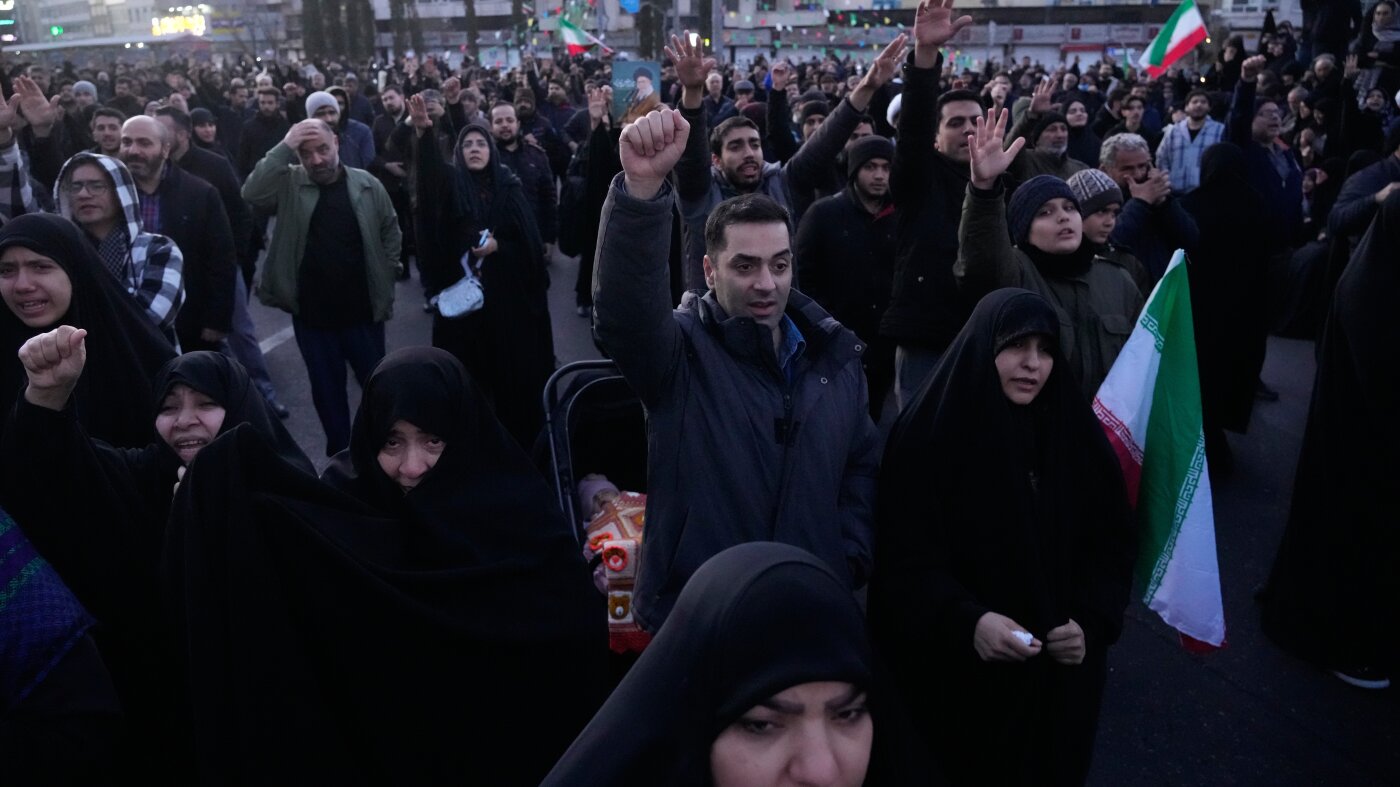
A massive explosion shook Tehran, Iran’s capital, as the Israeli military confirmed it was targeting the city. This action follows Iran’s barrage of missiles against Israel and Gulf Arab states, which was Iran's promised retaliation for the killing of Supreme Leader Ayatollah Ali Khamenei by a joint U.S.-Israeli airstrike. The death of Khamenei has caused uncertainty in Iran’s leadership and threatens regional stability. In the aftermath, Iran’s military and government leaders, including key defense officials, were killed in further strikes. The violence has led to unrest across the region, including attacks on U.S. diplomatic outposts and disruptions to global shipping. Civilian casualties are reported, including a deadly strike on a girls’ school in southern Iran. The events have led to heightened military actions, widespread mourning in Iran, and fears of a wider war, with global oil markets at risk. The escalation comes amid ongoing disputes over Iran’s nuclear program, with the U.S. and Israel claiming to have targeted military and nuclear infrastructure.
Biblical Reflection
Viewed through a biblical lens, the cycle of violence and retaliation on display stands in stark contrast to the teachings of Christ and the heart of God revealed in Scripture. The pursuit of vengeance, the killing of leaders, and the resulting civilian suffering all reflect humanity’s fallen nature and the tragic consequences when nations forsake the call to seek peace and justice. While governments bear responsibility to protect their people, the loss of innocent life, including children, reveals a deep moral and spiritual crisis. Scripture calls us to mourn with those who mourn (Romans 12:15), to pray for leaders (1 Timothy 2:1-2), and to pursue peace (Matthew 5:9; Romans 12:18). These events are a sobering reminder of the devastation wrought by sin, pride, and unchecked power. The Christian response must be one of lament, intercession for wisdom among world leaders, and advocacy for peace and mercy rather than escalation and destruction. In a world torn by war, followers of Christ are invited to be peacemakers, even as we long for the day when swords are beaten into plowshares and nations no longer learn war (Isaiah 2:4).
Scripture in context
This outlook does not yet include contextual Scripture citations. Do not treat a general biblical theme as an exegetical conclusion.
Faithful Response
No prescribed response is offered. Consider the reflection prompts below in your own church context.
Reflection and Discussion
- 1How do I respond, in prayer or action, when I see violence and war in the world?
- 2In what ways am I tempted to seek vengeance rather than pursue peace in my own life or community?
- 3How can I be a peacemaker and an advocate for mercy in a world marked by conflict?
Sources
Reporting links are evidence inputs; Sanctuary News' biblical reflection is commentary.
This outlook currently relies on fewer than two linked sources. Broaden verification before teaching from it.
- 1.Original reportprimary