News Summary
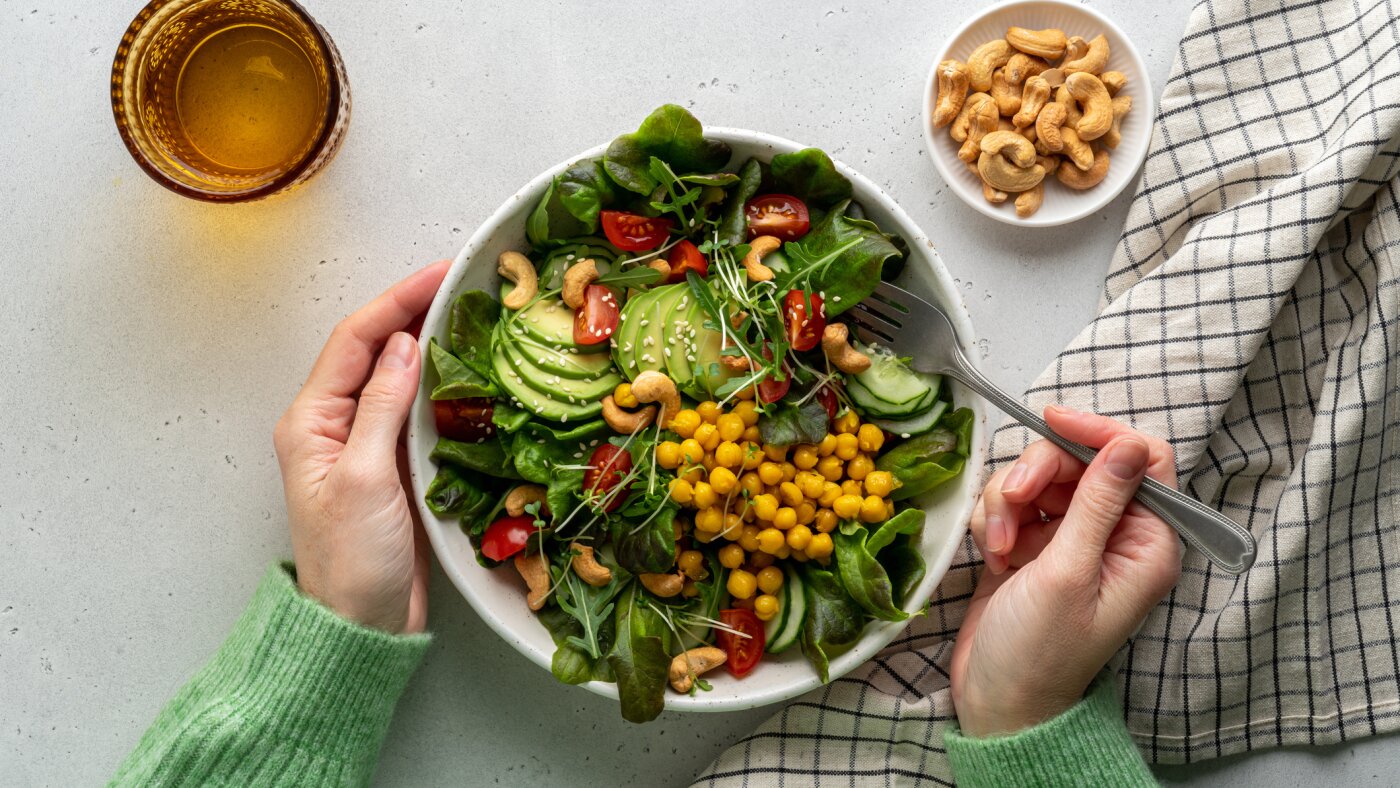
Social media trend 'fibermaxxing'—emphasizing higher dietary fiber intake—has grown in popularity, with many creators and some health professionals promoting ways to increase fiber. Experts quoted note that recommended intake is about 14 grams of fiber per 1,000 calories (roughly 25–38 grams per day), while the average U.S. adult consumes about 10–15 grams and only about 1 in 10 meet recommendations. Research links adequate fiber intake to lower risks of obesity, cardiovascular disease, type 2 diabetes, certain cancers (notably colorectal cancer), improved blood sugar control, reduced mortality risk, and benefits to the gut microbiome. Nutritionists recommend getting fiber primarily from a variety of whole plant foods (whole grains, fruits, vegetables, legumes, nuts, seeds), aiming for multiple different fiber sources (e.g., five daily), and using layering strategies to add fiber to familiar foods. They advise increasing fiber gradually, drinking enough water, and caution that people with conditions such as IBS or Crohn’s should consult a clinician because some fibers can worsen symptoms. While some influencers tout very high intakes (e.g., 70–90+ grams/day), experts warn that sudden large increases can cause bloating, gas, and other adverse effects; the guidance is to meet daily needs sustainably rather than pursue extremes.
Biblical Reflection
From a Christian perspective, this report largely aligns with the biblical call to wise stewardship of our bodies. The article emphasizes moderation, reliance on qualified advice, and caring for bodily health—principles consistent with Scripture’s view of the body as entrusted to us (1 Corinthians 6:19–20). The piece also illustrates how social media can surface health ideas that are rooted in good science but may be presented as trends or extremes; Christians should welcome helpful, evidence-based guidance while resisting the idolizing of health fads. The experts’ counsel to favor whole foods, variety, and gradual change reflects prudence and temperance—virtues Scripture commends. At the same time, a Christian reading should note compassion for those whose medical conditions limit dietary choices and avoid moralizing others’ bodies or eating habits. Finally, be wary of any messaging that equates spiritual worth with physical optimization; good stewardship of health serves God’s purposes but is not an ultimate value in itself.
Scripture in context
This outlook does not yet include contextual Scripture citations. Do not treat a general biblical theme as an exegetical conclusion.
Faithful Response
No prescribed response is offered. Consider the reflection prompts below in your own church context.
Reflection and Discussion
- 1Is the coverage encouraging wise stewardship and moderation, or does it feed a social-media impulse to pursue extremes for attention?
- 2Are the article's claims grounded in qualified expertise and evidence, and does it responsibly present caveats for people with medical conditions?
- 3How can Christians balance caring for physical health with remembering that our ultimate identity and worth come from Christ, not bodily performance?
Sources
Reporting links are evidence inputs; Sanctuary News' biblical reflection is commentary.
This outlook currently relies on fewer than two linked sources. Broaden verification before teaching from it.
- 1.Original reportprimary