News Summary
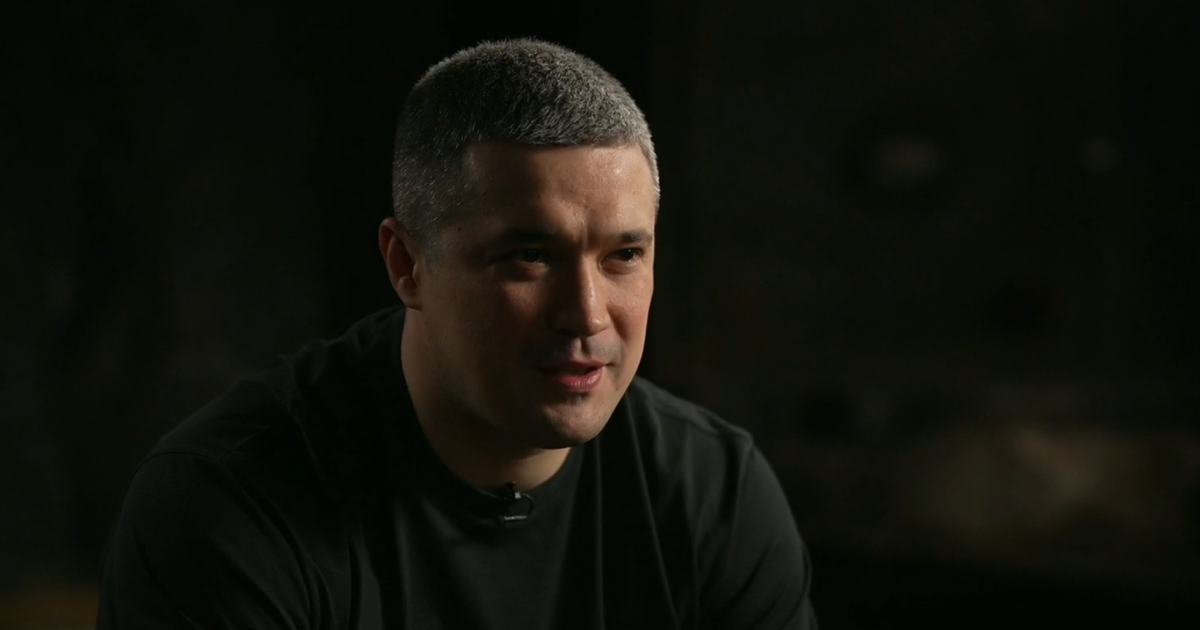
CBS News published an exclusive interview with Mykhailo Fedorov, identified in the article as a former Ukrainian defense minister and described as an architect of Ukraine's modern war‑fighting strategy. In that interview Fedorov said he believes Ukraine is in a "technological war" with Russia and that Ukraine's own ballistic missiles could be able to strike Russia within months. The article attributes these as Fedorov's assessments and does not provide independent technical verification, third‑party corroboration, or detailed evidence about systems, range, or timeline.
Source and Framing Analysis
The report is a single‑source, exclusive interview carried by CBS News. Its central operational claim (that Ukrainian ballistic missiles could reach Russia within months) is presented as the former minister's assessment rather than as independently verified fact. That framing matters: senior officials sometimes communicate technical judgments, morale signals, or strategic messaging in public interviews. The article responsibly attributes the claim to Fedorov and notes his public reputation, but it omits technical detail, outside expert analysis, and corroboration that would be needed to assess feasibility and timeline. Readers should therefore treat the capability/timeline claim as unverified reporting of a named source's judgment rather than as confirmed intelligence or a policy announcement by Ukraine.
How sources covered this story
Sanctuary separately assesses reporting quality and alignment with Christian virtues. The virtues assessment considers truthfulness, dignity, compassion, justice, peacemaking, humility, and care for vulnerable people. It does not assess a publisher's faith or reward religious language.
Compare 1 reports
Rank 1
CBS News: Ukraine's own ballistic missiles could strike Russia within months, says former ministerReporting 75/100Virtues 80/100
- Distinctive contribution
- Provides an attributed characterization ("technological war") from a prominent named actor and signals his reputation as architect of Ukraine's modern war-fighting strategy, which helps explain why his view matters.
- Framing
- Neutral attribution of a strategic assessment to a named source; describes the item as coming from an "exclusive interview" and uses the evaluative phrase "widely credited" to describe the subject's reputation.
- Omissions or uncertainty
- No explanation of what is meant by "technological war," no supporting evidence or examples, no date or context for the interview, no other sources or counterclaims, and no details about how this assessment translates into policy or operations.
- Why these scores
- The excerpt responsibly attributes a substantive claim to a named source and signals the interview context. It is concise and not sensationalized, but is limited: it lacks specificity, supporting evidence, and contextual details that would help assess the claim's basis and implications. The phrase "widely credited" is vague and unquantified. The supplied text is neutral and respectful, attributes the view to a named individual, and does not dehumanize or sensationalize. It neither exploits suffering nor promotes hostility. The main limitation is lack of contextual detail, but there is no evident moral failing in the excerpt's tone or content.
Biblical Reflection
Christians should value truth and act with mercy and humility when wartime claims circulate. If such a capability exists, it carries grave consequences for civilians and regional stability; if the claim is strategic messaging, it still affects perceptions and may influence escalation. Our obligations are to seek accurate information before amplifying potentially escalatory statements, to pray for leaders to choose restraint and justice, to protect the vulnerable through advocacy and humanitarian support, and to resist dehumanizing or triumphant language about those on the other side.
Scripture in context
- 1Matthew 5:9 — Part of the Sermon on the Mount where Jesus blesses peacemakers within a broader call to righteousness and humility. — Christians should weigh public claims about force and escalation against the call to seek peace and the protection of noncombatants; being a peacemaker includes restraint in speech and action during conflict.
- 2James 3:17 — Contrasts earthly wisdom (jealousy, selfish ambition) with wisdom from above (purity, peace, gentleness, mercy) in the midst of community conflict and speech. — Public statements about military capability should be evaluated with discernment and humility; Christian response should favor peace‑seeking wisdom over rhetoric that inflames fear or hatred.
Faithful Response
Treat the CBS News report as an attribution of an assessment to a named former official; do not present the capability or timeline as independently established without corroboration.
Pray for wisdom and restraint for leaders on all sides and for protection of civilians affected by escalation.
Seek confirmation from multiple, credible sources (independent analysts, official statements, open‑source technical assessments) before sharing or acting on the capability claim.
Support reputable humanitarian organizations aiding civilians in Ukraine and neighboring regions, and advocate for measures that protect noncombatants.
Pastoral steps: create space for lament and honest conversation in congregations, teach media discernment about wartime claims, and offer pastoral care to those with family in the conflict.
Reflection and Discussion
- 1Does my first reaction to this report reflect Christlike compassion and humility, or unexamined tribal allegiance or fear?
- 2How should Christians balance legitimate concerns about national defense with the biblical call to pursue peace and protect noncombatants?
- 3Which sources and kinds of expertise do I trust for high‑stakes technical claims about weapons and timelines, and why?
- 4How can my congregation tangibly care for vulnerable people affected by escalation regardless of political positions?
Sources
Reporting links are evidence inputs; Sanctuary News' biblical reflection is commentary.
This outlook currently relies on fewer than two linked sources. Broaden verification before teaching from it.
- 1.Ukraine's own ballistic missiles could strike Russia within months, says former ministerprimary_reporting