News Summary
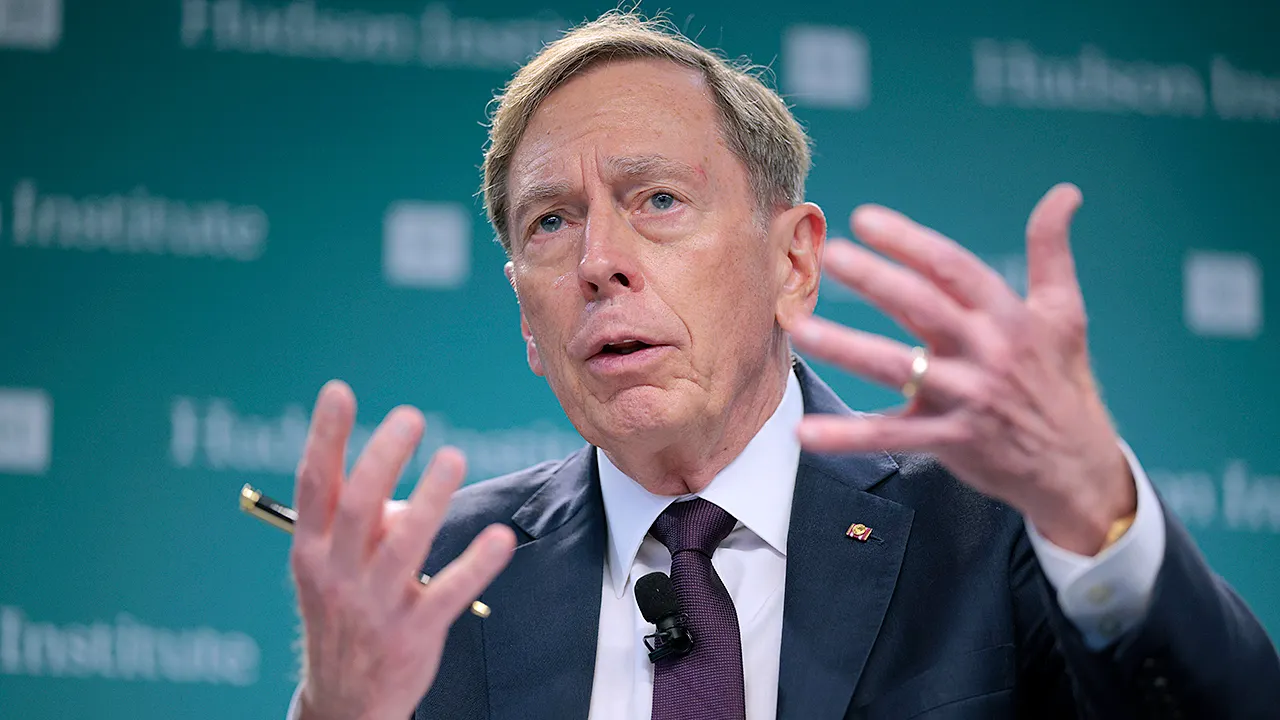
The article reports on the aftermath of 'Operation Epic Fury,' a joint U.S.-Israeli military action that resulted in the death of Iran’s Supreme Leader, Ayatollah Ali Khamenei, and several senior Iranian officials. Former CIA Director David Petraeus describes the operation as a significant military achievement, highlighting that it leveraged both precise intelligence and what he called 'stunning arrogance' on the part of the Iranian regime, whose top leaders had gathered together and thus became vulnerable to a targeted strike. The article notes that three U.S. service members were killed and five seriously wounded during the conflict. Petraeus warns that Iran still retains substantial retaliatory capabilities, especially in missile technology, and could respond in ways that draw other regional actors into the conflict. The piece also discusses the uncertainty surrounding Iran’s new interim leadership, questions about possible regime change, and the potential for further escalation or a shift in Iran’s political direction. The article closes with remarks on the broader implications for U.S. interests, Israel’s security, and the potential for further instability.
Biblical Reflection
From a biblical perspective, the cycle of violence, retribution, and power struggles depicted in this article stands in stark contrast to Christ’s teachings on peacemaking, humility, and the value of every human life (Matthew 5:9; Romans 12:17-21). While governments do bear the sword and are tasked with justice and protecting their people (Romans 13:1-4), Scripture consistently warns against pride, vengeance, and the dehumanization of enemies (Proverbs 16:18; Matthew 5:44). The assassination of a national leader and the subsequent risk of escalating violence should cause Christians to grieve the loss of life on all sides and pray for wisdom, restraint, and opportunities for peace. The temptation to celebrate military victories or to place trust in political or military strength is cautioned against in Scripture (Psalm 20:7). Instead, believers are called to seek God’s justice, mercy, and reconciliation, even as they recognize the reality of a fallen world. The events described reveal the dangers of arrogance and the tragic consequences of unresolved conflict. Christians are challenged to be agents of peace and intercessors for all involved, remembering that God ultimately holds nations and leaders accountable.
Scripture in context
This outlook does not yet include contextual Scripture citations. Do not treat a general biblical theme as an exegetical conclusion.
Faithful Response
No prescribed response is offered. Consider the reflection prompts below in your own church context.
Reflection and Discussion
- 1How do I respond in my heart to news of violence and political upheaval—do I grieve, celebrate, or pray for peace?
- 2In what ways am I tempted to place hope in worldly power or military success rather than in God's justice and sovereignty?
- 3How can I actively pursue peace and reconciliation in my own sphere of influence, reflecting Christ’s character?
Sources
Reporting links are evidence inputs; Sanctuary News' biblical reflection is commentary.
This outlook currently relies on fewer than two linked sources. Broaden verification before teaching from it.
- 1.Original reportprimary