News Summary
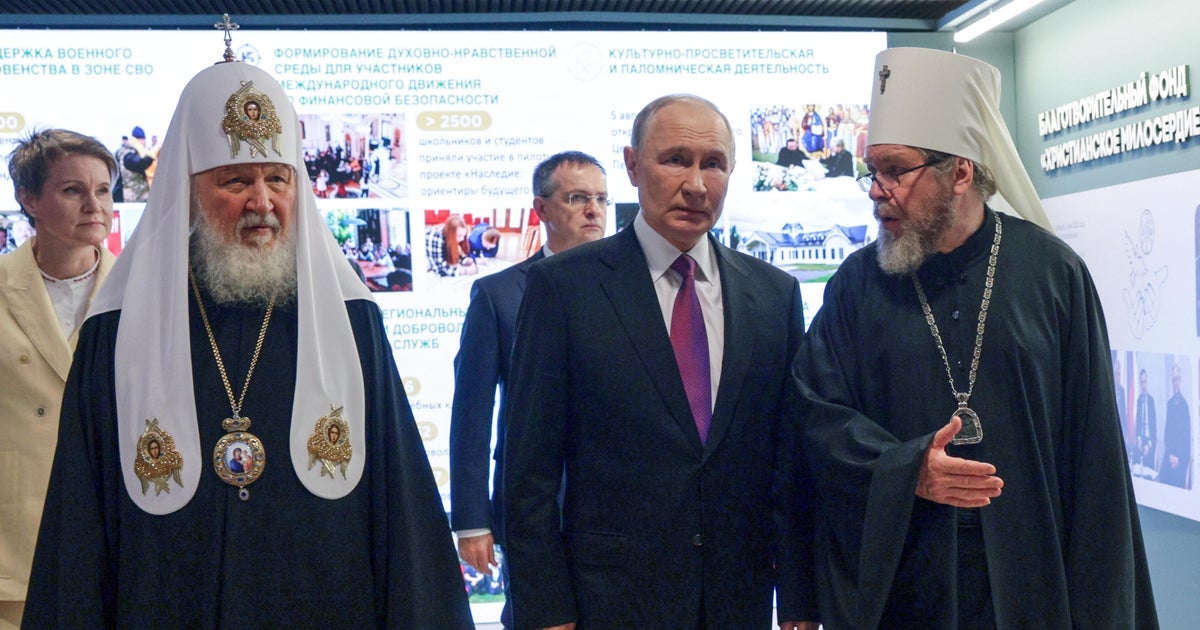
The European Union added more than 80 people and entities to its sanctions list related to Russia's war in Ukraine, including Georgiy Shevkunov (Metropolitan Tikhon), a senior Russian Orthodox bishop accused by the EU of spreading propaganda and disinformation to justify the invasion. Shevkunov, often described in Russian media as President Vladimir Putin's "confessor" (a label he has not publicly confirmed), was named Metropolitan of Crimea in 2023. The EU package targeted 34 individuals and 47 entities involved in supplying drones and other military equipment, funding the war through oil shipments, and conducting hybrid attacks; measures include asset freezes, travel bans, and prohibitions on making funds available to those listed. The announcement coincided with a Russian missile barrage on Ukrainian cities that killed at least 11 people and damaged an important Orthodox monastery. The EU foreign policy chief framed the package as pressure to end the war; the report also noted past claims by Russia's FSB that it had foiled a Ukrainian-ordered plot to kill Shevkunov.
Biblical Reflection
This story raises questions about the relationship between religious authority and political power. The EU frames sanctions as a necessary tool to disrupt networks that materially support a violent invasion, including propaganda that helps justify it; targeting a high-profile cleric signals that institutions and individuals who lend moral or informational cover to violence can be made accountable. At the same time, labels like "Putin's confessor" come from media and may be amplified without definitive public confirmation, so Christians should be careful about repeating unverified characterizations. From a biblical perspective, clergy are called to bear witness to truth and to be peacemakers; when religious voices appear to legitimize violence or political aggression, they betray that calling and risk enabling harm. The sanctions reflect a prudential, political response aimed at limiting material and informational support for war; Christians should hold both secular authorities and religious leaders to account ethically, seeking justice for the vulnerable while maintaining humility about political complexities. Beware of simplistic binaries: some actions are rightly met with legal and economic consequences, but accusations should rest on evidence, and Christians should resist turning geopolitical conflict into sectarian or tribal identity battles.
Scripture in context
This outlook does not yet include contextual Scripture citations. Do not treat a general biblical theme as an exegetical conclusion.
Faithful Response
No prescribed response is offered. Consider the reflection prompts below in your own church context.
Reflection and Discussion
- 1When a religious leader appears to endorse or justify political violence, how should Christians weigh respect for religious authority against the need for truth and justice?
- 2What signs should we look for to distinguish pastoral witness from partisan propaganda when church figures speak on war and national policy?
- 3How can Christians hold both governments and religious institutions accountable without adopting the same rhetoric of demonization used in political conflict?
Sources
Reporting links are evidence inputs; Sanctuary News' biblical reflection is commentary.
This outlook currently relies on fewer than two linked sources. Broaden verification before teaching from it.
- 1.Original reportprimary