News Summary
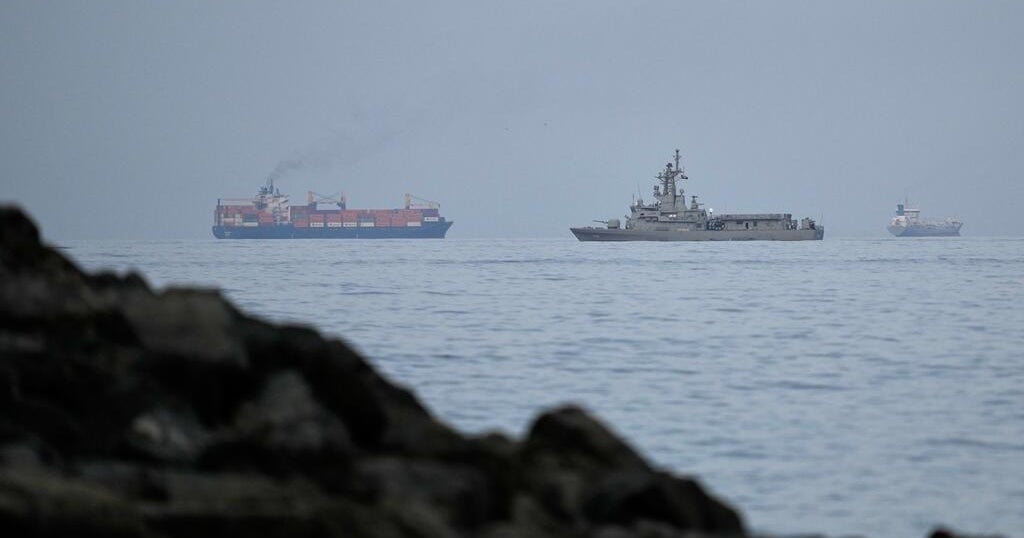
The European Union refused President Trump's repeated requests for European military deployments to reopen the Strait of Hormuz after U.S. and Israeli military action against Iran prompted Iranian missile and drone strikes that have largely halted traffic through the vital shipping lane. The closure has contributed to a sharp rise in global energy prices because about one-fifth of crude oil typically transits the strait. EU foreign policy chief Kaja Kallas said member states are unwilling to “put their people in harm's way” and urged diplomatic solutions to avoid wider food, fertilizer and energy crises. British Prime Minister Keir Starmer declined to commit British forces to the wider conflict, stressing legal authority, careful planning and national interest before sending troops. Some EU members, such as France, expressed conditional willingness to consider escort or protection missions after hostilities subside; Germany asked the U.S. and Israel to clarify their military objectives; Luxembourg remained uncommitted. The EU is exploring options like expanding its Operation Aspides or forming an ad hoc “coalition of the willing,” while President Trump said some countries have signaled support but criticized the level of enthusiasm from others.
Biblical Reflection
From a biblical perspective this story raises questions about the use of military power, the duty of leaders to protect life, and the urgency of pursuing peace. Scripture repeatedly calls God’s people to be peacemakers (Matthew 5:9) and to seek wisdom and restraint rather than rash violence (Proverbs 20:18; James 3:17–18). The EU leaders’ reluctance to rush troops into a hot zone reflects prudence about risking lives without clear objectives or lawful mandate—an echo of biblical concerns for stewarding life and acting with justice and wisdom (Proverbs 2:6–11). At the same time, governments have a responsibility to protect civilians and maintain freedom of navigation and trade that sustain livelihoods—matters of neighbor-love and stewardship (Luke 10:25–37). Christians should weigh both imperatives: oppose unnecessary aggression and warmongering rooted in pride or unilateralism, while advocating for protection of the vulnerable and diplomatic solutions that reduce suffering. The church should call leaders to accountability, pray for clear moral aims when force is considered, and work to mitigate humanitarian and economic harms caused by conflict.
Scripture in context
This outlook does not yet include contextual Scripture citations. Do not treat a general biblical theme as an exegetical conclusion.
Faithful Response
No prescribed response is offered. Consider the reflection prompts below in your own church context.
Reflection and Discussion
- 1Are my instincts about this conflict guided more by a desire for justice, national interest, or vengeance—and how should Jesus-shaped love reorder those priorities?
- 2How can Christians pray for and support prudent, moral leadership that seeks both to protect the vulnerable and to pursue diplomatic solutions?
- 3In what practical ways can my community respond to minimize suffering caused by disruptions to food, energy and livelihoods from this conflict?
Sources
Reporting links are evidence inputs; Sanctuary News' biblical reflection is commentary.
This outlook currently relies on fewer than two linked sources. Broaden verification before teaching from it.
- 1.Original reportprimary