News Summary
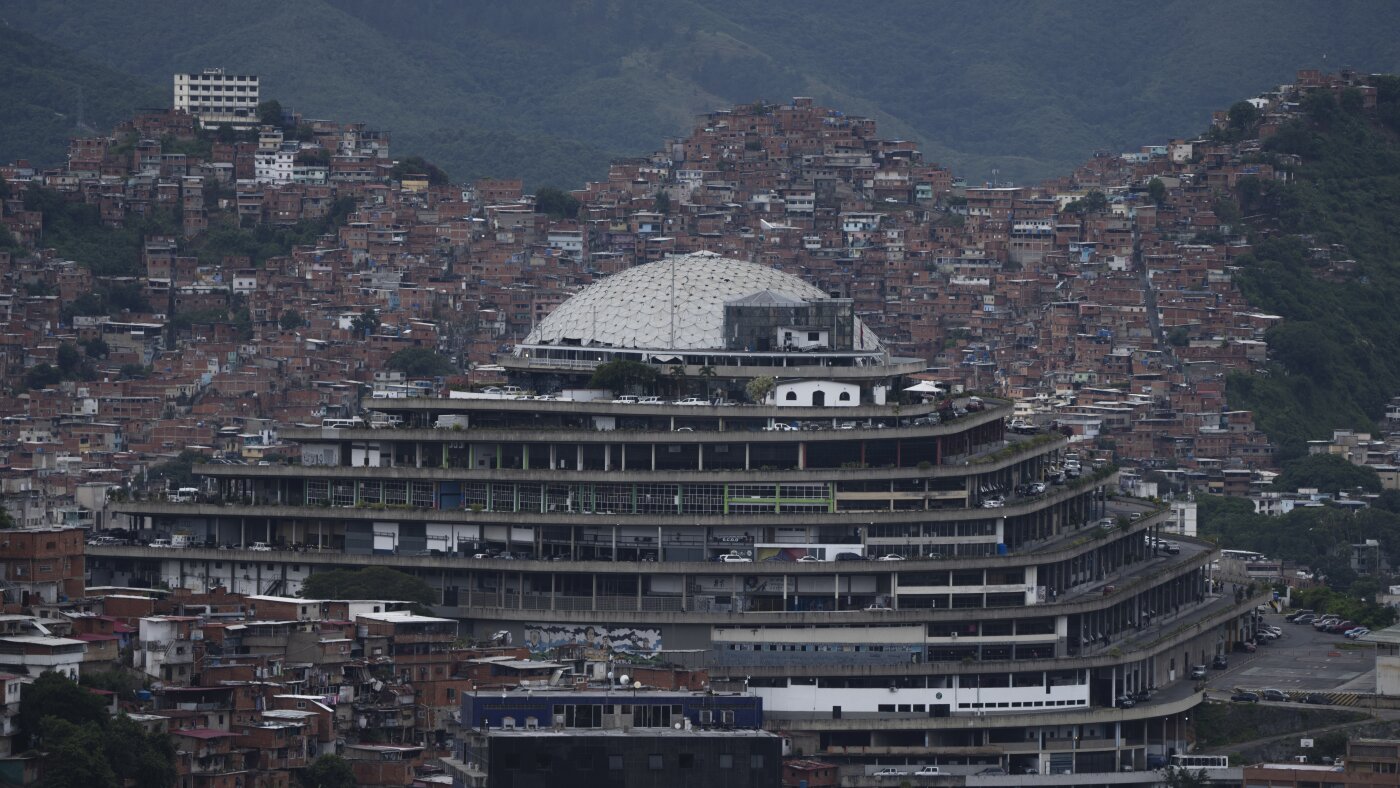
El Helicoide is an unfinished, 1950s concrete complex in central Caracas that was originally intended as a futuristic shopping mall. Abandoned after construction stalled, it was repurposed in the 1980s as the headquarters of Venezuela's intelligence service and a detention center where activists and dissidents say they were held in isolation and tortured. Testimonies in the article describe prolonged artificial lighting, cramped windowless cells, forced drugging, and other abuses under successive governments, reaching a high point during Nicolás Maduro's rule. As Venezuela undergoes a tentative political transition and an amnesty has led to the release of some prisoners, acting president Delcy Rodríguez has proposed converting El Helicoide into a sports complex for police and nearby residents. Opposition figures and former inmates argue the site should instead be preserved as a memorial or museum—comparing it to Robben Island—to ensure collective memory, accountability, and non-repetition. Historians note the building's unique architecture and suggest a mixed approach might be possible, preserving prison levels as a memorial while adapting other parts for community use.
Biblical Reflection
From a biblical perspective the debate touches deep questions about truth, justice, memory, and mercy. Scripture repeatedly calls God's people to defend the oppressed, remember injustice, and seek justice (e.g., Isaiah 1:17). Efforts to repurpose a site of abuse purely for recreation risk silencing victims and allowing societal amnesia; that can enable recurrence of harm and fails the biblical summons to 'learn to do right' by those who suffered. At the same time, Christian ethics also value restoration, care for the vulnerable neighborhood, and tangible steps toward communal flourishing. The faithful response therefore must hold these tensions together: insist on truth-telling, public acknowledgement, and accountability for past abuses (which honors victims and aligns with repentance), while pursuing restorative measures that serve the living community (which aligns with mercy and stewardship). Converting the whole site into a sports complex without memorial elements would be tantamount to erasing testimony; preserving parts as a memorial museum, establishing forums for survivors to tell their stories, and involving victims and local residents in decision-making better reflects biblical justice and the call to remember and repair. True reconciliation will require both remembrance and concrete acts of restitution and care—forgiveness in the biblical sense does not eliminate the need for accountability or the duty to protect others from future injustice.
Scripture in context
This outlook does not yet include contextual Scripture citations. Do not treat a general biblical theme as an exegetical conclusion.
Faithful Response
No prescribed response is offered. Consider the reflection prompts below in your own church context.
Reflection and Discussion
- 1Who should be given voice in deciding the future of places that witnessed abuse, and how can the church advocate for survivors' testimonies to be honored?
- 2How can remembering past injustice (through memorials or museums) be balanced with meeting urgent community needs in ways that reflect both justice and mercy?
- 3In what practical ways can Christians promote both accountability for abuse and restoration for victims and communities affected by it?
Sources
Reporting links are evidence inputs; Sanctuary News' biblical reflection is commentary.
This outlook currently relies on fewer than two linked sources. Broaden verification before teaching from it.
- 1.Original reportprimary