News Summary
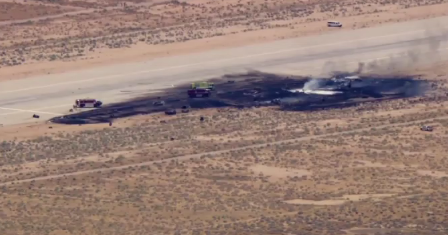
Edwards Air Force Base released the names of eight people who died when a B-52 Stratofortress crashed shortly after takeoff during a test mission on Monday. The deceased include active-duty Air Force weapons system officers Lt. Col. Gabriel Estrella (40) and Maj. Alexander Davis (34); 419th Test Squadron pilots Maj. Robert Dee (40) and Maj. Brad Hovey (35); flight test engineer Jeremy Smith (32); contractor flight test engineer Christopher Rischar (41); retired Boeing pilot Lt. Col. Miles Middleton (50); and Col. Gregory Watson (53), a Boeing weapons officer and Air Force reservist. The crew was operating as a Combined Test Force on a mission for the Air Force’s Radar Modernization Program. The aircraft crashed on the runway after takeoff, burst into flames, and the deputy commander described the crash as unsurvivable. Edwards AFB closed the airfield until at least Thursday and has stood up an Emergency Family Assistance Center to support families and personnel. The Air Force’s Accident Investigation Board will investigate the incident; initial findings can take up to six months. Commentators and an expert noted the age of the B-52 fleet and ongoing $50 billion modernization efforts to keep the aircraft flying into the 2050s; the aircraft can carry nuclear weapons. The base emphasized family support and called for personnel to check on one another in the aftermath.
Biblical Reflection
From a Christian perspective this is first and foremost a story of loss: eight human lives and grieving families who need practical care and prayer. The article reports names, roles, and official responses without evidence of major factual distortion; it responsibly notes the pending investigation rather than drawing premature conclusions. The coverage also highlights a wider ethical question about stewardship and risk — maintaining aging systems that serve national security carries moral weight when human life is at stake. Christians should both honor the service of those who died and insist on rigorous, transparent investigations that seek truth and protect life. Be wary of narratives that rush to assign blame before facts emerge or that reduce people to statistics in service of policy arguments; compassion and sober truth-seeking should guide our response. Finally, the mention of the fleet’s age and its strategic role reminds believers that love of neighbor includes advocating for safe working conditions and accountable use of public resources entrusted to leaders.
Scripture in context
This outlook does not yet include contextual Scripture citations. Do not treat a general biblical theme as an exegetical conclusion.
Faithful Response
No prescribed response is offered. Consider the reflection prompts below in your own church context.
Reflection and Discussion
- 1Does the reporting prioritize immediate compassionate support for survivors, or does it shift quickly to policy and programmatic explanations?
- 2How should Christians weigh national security needs against the moral responsibility to minimize avoidable risk to service members and contractors?
- 3What assumptions about acceptable risk and technological stewardship underlie calls to keep aging platforms flying, and who bears the costs of those assumptions?
Sources
Reporting links are evidence inputs; Sanctuary News' biblical reflection is commentary.
This outlook currently relies on fewer than two linked sources. Broaden verification before teaching from it.
- 1.Original reportprimary