News Summary
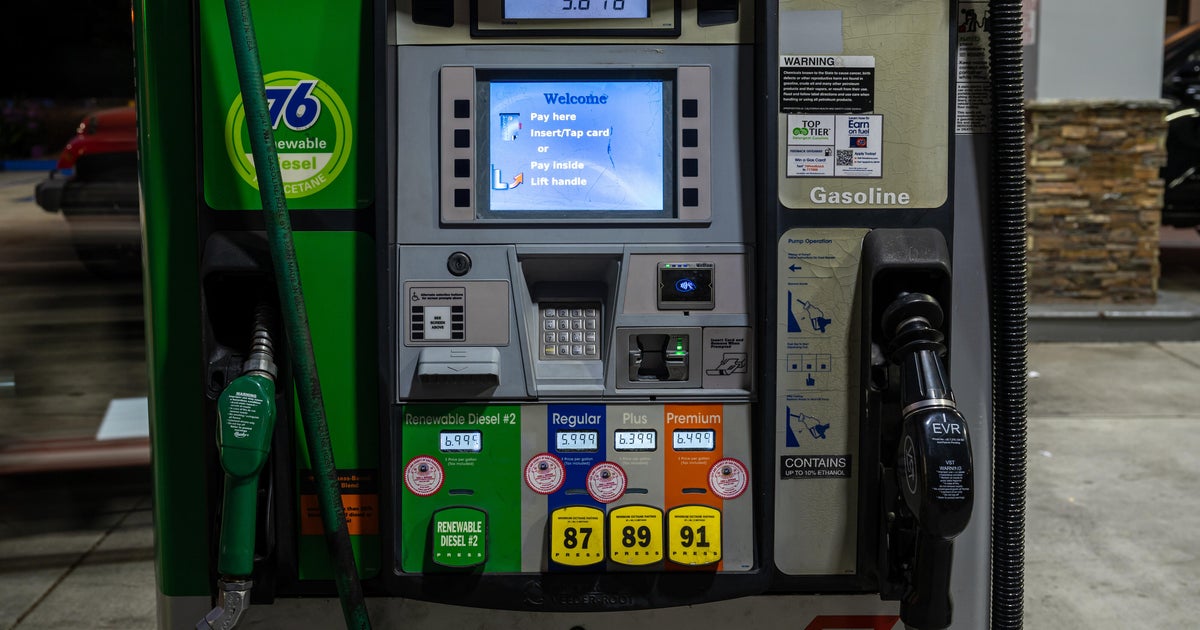
CBS News reports that the ongoing war with Iran is contributing to higher global oil and gas prices, increasing costs for U.S. motorists, delivery drivers, farmers and the U.S. Postal Service. Analysts cited by CBS say prices are likely to remain elevated until shipping resumes in the Strait of Hormuz, a key transit point that carries about one-fifth of the world's oil. Diesel prices have risen faster than regular gasoline, in part because diesel was already in short supply prior to the war. California prices are higher than many other states due to greater reliance on imported oil and higher state gasoline taxes. The U.S. Energy Information Administration notes that oil itself makes up about half the retail cost of a gallon of gasoline, with the remainder from refining, taxes and marketing; seasonal demand also affects prices. Though the U.S. is currently the world’s largest oil producer, global market dynamics determine prices. CBS also reports residential heating oil prices are climbing in response to the conflict.
Biblical Reflection
The article presents a straightforward economic causal chain: conflict in and around Iran disrupts shipping through the Strait of Hormuz, tightening supply and raising global oil prices, which then raise costs for ordinary Americans. Seen through a biblical lens, this story highlights several truths and risks. Truths: human conflict has real, practical consequences that increase suffering—especially for the vulnerable (low-income drivers, small farmers, delivery workers, and public services like the USPS). Christians are called to notice who bears the burden and to respond with compassion and wise stewardship. Risks/biases in the coverage: the piece focuses on immediate price effects and shipping disruption but leaves out longer-term market dynamics (e.g., strategic petroleum reserve releases, OPEC policy, refinery capacity, and domestic distribution constraints) that also shape prices. It also invites easy politicization—blaming a single actor or simplifying causes—which can foster fear or scapegoating rather than sober discernment. Spiritually, we must resist panic and exploitation of anxiety. The Christian response includes praying for peace and for justice for those harmed, advocating policies that protect vulnerable households, exercising prudent stewardship of resources, and resisting narratives that turn complex global realities into simple partisan talking points. Ultimately, the story is a sober reminder of human dependence on one another and on God, and of the moral duty to care for neighbors when global events drive local suffering.
Scripture in context
This outlook does not yet include contextual Scripture citations. Do not treat a general biblical theme as an exegetical conclusion.
Faithful Response
No prescribed response is offered. Consider the reflection prompts below in your own church context.
Reflection and Discussion
- 1What important economic or policy contexts (strategic reserves, refinery capacity, OPEC decisions, seasonal demand) are not described here that would help you judge how long prices might stay high?
- 2Whose experiences and burdens are most visible in this report, and whose are missing—especially among low-income workers, small farmers, and public-service dependents?
- 3Does the framing encourage calm, fact-based response and compassion, or does it invite fear and quick political blame? How should that assessment shape how you receive similar coverage?
Sources
Reporting links are evidence inputs; Sanctuary News' biblical reflection is commentary.
This outlook currently relies on fewer than two linked sources. Broaden verification before teaching from it.
- 1.Original reportprimary