News Summary
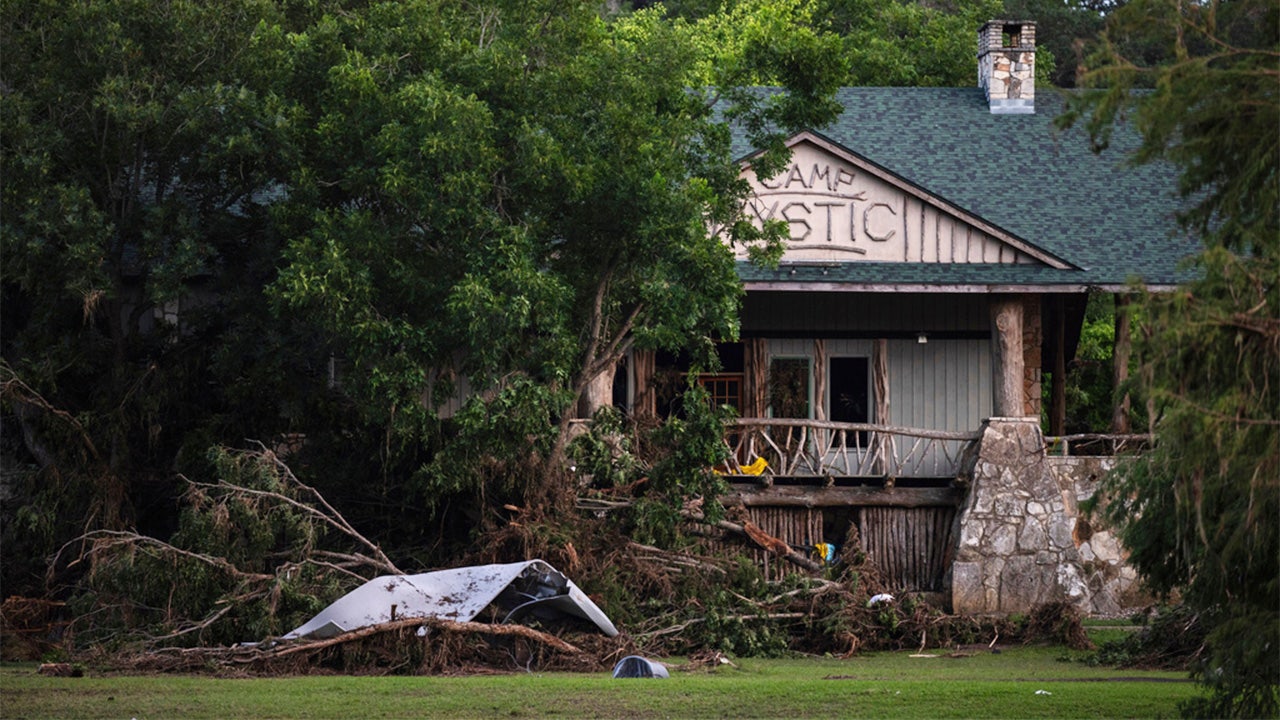
Camp Mystic announced it will not reopen for the summer 2026 season. The decision follows public outcry from grieving families, lawmakers, and citizens after a July 2025 flash flood near the Guadalupe River at the all-girls Christian camp in Hill Country, Texas, that killed camp attendees and staff. The camp, a family-owned facility, said it withdrew reopening plans out of respect for those still grieving and to avoid causing further harm. Prior plans had aimed to reopen parts of the site in late May 2026 and host roughly 900 attendees; the camp noted there were more than 800 girls who wanted to return. During a recent state legislative hearing, officials and camp directors faced scrutiny over the camp’s emergency preparedness and response; state regulators reportedly found deficiencies in the camp’s emergency plan. The camp’s leaders issued a public apology at the hearing, and the licensing and oversight of the facility were under review by the Texas Department of State Health Services.
Biblical Reflection
From a Christian perspective, this story highlights two central moral responsibilities: care for the vulnerable and truthful accountability. The camp’s reversal signals sensitivity to the ongoing pain of families, which aligns with biblical calls to mourn with those who mourn (Romans 12:15) and to prioritize the welfare of children and the grieving over institutional convenience or reputation. At the same time, the reports of emergency-plan deficiencies and lawmakers’ scrutiny raise legitimate questions about stewardship, competence, and transparency. Scripture repeatedly calls leaders to shepherd well (1 Peter 5:2–3) and to act justly (Micah 6:8). Christians should expect both compassionate pastoral response and sober investigation where loss of life occurs. Be cautious of media framing that seeks primarily to inflame or to exonerate; assess what is factual (decisions made, investigations opened, numbers reported) and what is rhetorical (emotive language, selective emphasis). The healthier Christian response is twofold: 1) lament and presence with survivors and grieving families, and 2) clear, patient pursuit of truth and accountability so future harm can be prevented. Prayer, humble repentance where responsibility is found, restitution where appropriate, and institutional reform to safeguard children are all consistent with biblical virtues.
Scripture in context
This outlook does not yet include contextual Scripture citations. Do not treat a general biblical theme as an exegetical conclusion.
Faithful Response
No prescribed response is offered. Consider the reflection prompts below in your own church context.
Reflection and Discussion
- 1When institutions respond to tragedy, how can we distinguish genuine repentance and reform from public-relations moves meant mainly to restore reputation?
- 2What practices of oversight, training, and stewardship should Christian ministries adopt to protect vulnerable people and honor the sanctity of life?
- 3How does our own reaction — insistence on reopening, desire for business-as-usual, or rush to condemn — reflect Christian compassion and justice?
Sources
Reporting links are evidence inputs; Sanctuary News' biblical reflection is commentary.
This outlook currently relies on fewer than two linked sources. Broaden verification before teaching from it.
- 1.Original reportprimary