News Summary
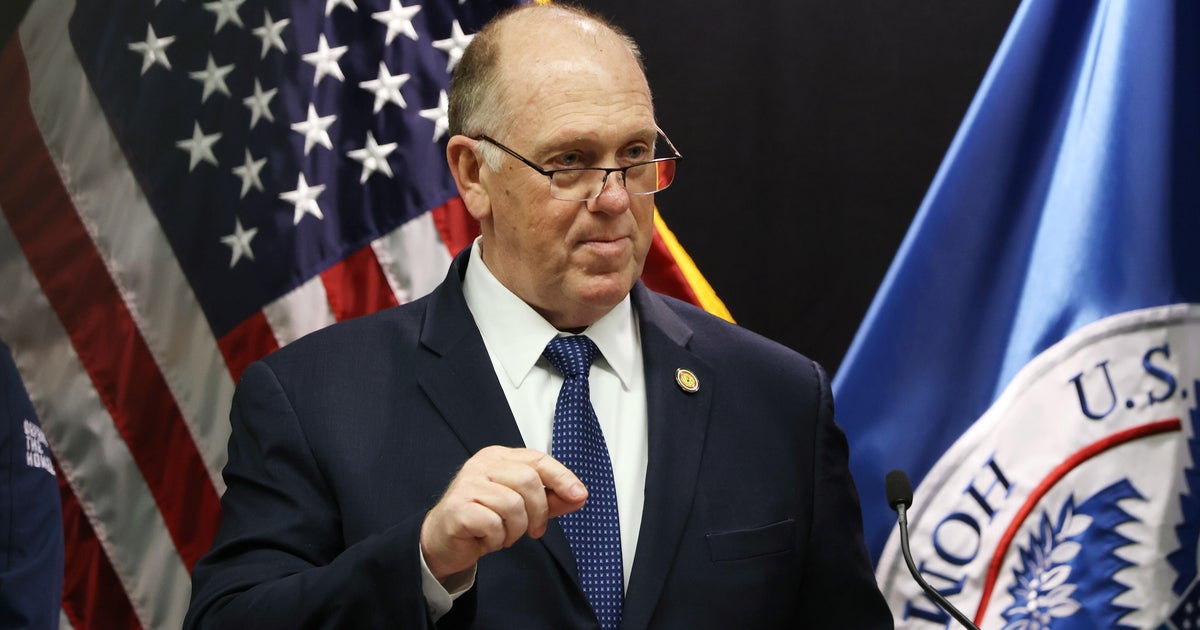
The article details the ongoing fallout from Operation Metro Surge, a large-scale federal immigration enforcement initiative in Minnesota. Led by border czar Tom Homan under President Trump’s directive, the operation has resulted in thousands of federal agents in the Twin Cities, widespread protests, and several deadly confrontations, including the fatal shootings of ICU nurse Alex Pretti and Renee Good by federal agents. The operation has been met with significant resistance from local and state officials, including Minneapolis Mayor Jacob Frey, Minnesota Attorney General Keith Ellison, and St. Paul Mayor Kaohly Her, who argue it creates chaos and fear without improving public safety. There have been calls for independent investigations, lawsuits, and attempts by local governments to legally restrain federal activity. The article also highlights community grief, business disruptions, strain on local police, school stress, and national attention including statements from lawmakers, civil rights groups, and even musicians. Meanwhile, the Trump administration and federal officials defend the operation as necessary for law enforcement and public safety, even as accusations of excessive force, lack of transparency, and violations of court orders mount.
Biblical Reflection
Viewed through the lens of Scripture, this article narrates an unfolding tragedy marked by fear, division, and loss of trust. The Bible is clear that justice, truth, and mercy are foundational to a godly society (Micah 6:8). The large-scale use of force, lack of transparency, and incidents of violence—especially the deaths of Alex Pretti and Renee Good—raise pressing questions about whether justice is truly being pursued or if power is being wielded without sufficient accountability. While governments are given authority to maintain order (Romans 13:1-7), that authority is not absolute or above the law; all are called to act justly, love mercy, and walk humbly with God. The pain and grief experienced by families and the community echo Christ’s compassion for the vulnerable and oppressed. The fear felt by immigrants and the disruptions to everyday life challenge the biblical call to love the stranger and seek the peace of the city (Leviticus 19:33-34; Jeremiah 29:7). At the same time, the voices demanding accountability, transparency, and compassion reflect the prophetic tradition of speaking truth to power. Christians are called to pray for peace, advocate for the oppressed, and pursue reconciliation and justice, remembering that every person—no matter their status—is made in the image of God.
Scripture in context
This outlook does not yet include contextual Scripture citations. Do not treat a general biblical theme as an exegetical conclusion.
Faithful Response
No prescribed response is offered. Consider the reflection prompts below in your own church context.
Reflection and Discussion
- 1Where do I see the balance between justice, mercy, and humility being upheld or neglected in this situation?
- 2How might I respond to fear and division in my community in a way that reflects Christ’s love for the vulnerable?
- 3What does it mean for me to 'seek the peace of the city' when confronted with policies or actions that cause harm?
Sources
Reporting links are evidence inputs; Sanctuary News' biblical reflection is commentary.
This outlook currently relies on fewer than two linked sources. Broaden verification before teaching from it.
- 1.Original reportprimary