News Summary
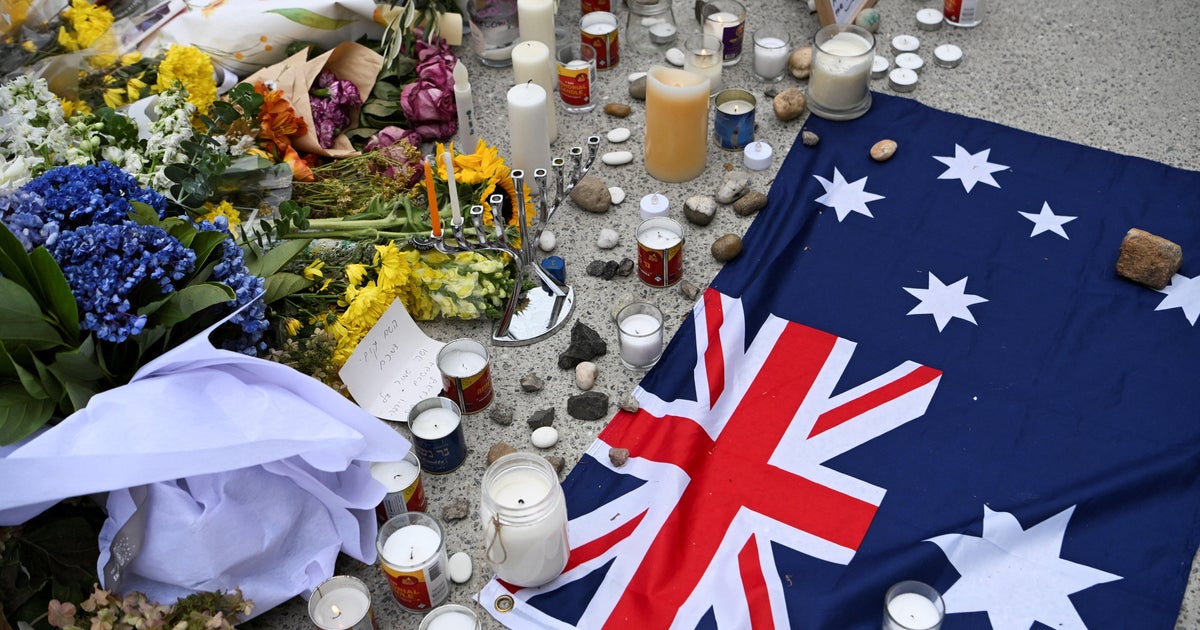
This article reports on an attack targeting Jewish people during a Hanukkah event in Bondi Beach, Australia. The suspects, a father and son, reportedly spent most of November in the Philippines before the attack, where they may have undergone military-style training according to Australian security sources. The attackers' actions are said to have been motivated by ISIS ideology. The article provides context about the presence of Islamist separatist and militant groups in the southern Philippines, such as Abu Sayyaf, which has a history of violent acts and has been linked to ISIS, although it is now considered fragmented and less operationally significant. Experts suggest that while it is possible for individuals to connect with radical elements or receive basic weapons training, it is unlikely that foreign attackers would have had deep ties or advanced training with established groups like the Moro Islamic Liberation Front or the Moro National Liberation Front. The article concludes that, while large-scale organized attacks from ISIS-linked groups in the Philippines have diminished, isolated incidents and individual radicalization remain possible.
Biblical Reflection
From a Christian perspective, this article is a sobering reminder of the persistent presence of hatred, violence, and religiously motivated terror in our world. The attack during a sacred celebration like Hanukkah underscores the deep brokenness of humanity and the ongoing reality of evil. The Bible calls us to mourn with those who mourn (Romans 12:15) and to stand against all forms of violence and injustice (Psalm 11:5, Micah 6:8). At the same time, scripture warns us that violence and hatred are rooted in the sinful condition of the human heart (Mark 7:21-23), and it is only through Christ that true peace and reconciliation are possible (Ephesians 2:14-17). Christians are commanded to love their neighbors—including those of other faiths—and to pray for both the victims and the perpetrators of violence. While the world responds with increased security and vigilance, the church is called to respond with compassion, prayer, and a commitment to peacemaking. We must not allow fear or hatred to take root in our own hearts, but instead be witnesses to the peace and hope found in Christ, even in the face of evil.
Scripture in context
This outlook does not yet include contextual Scripture citations. Do not treat a general biblical theme as an exegetical conclusion.
Faithful Response
No prescribed response is offered. Consider the reflection prompts below in your own church context.
Reflection and Discussion
- 1How can I be an agent of peace and reconciliation in a world marked by violence and hatred?
- 2What does it look like to love our neighbors—including those who are different from us or even our enemies—in light of this news?
- 3How can I pray for both the victims and the perpetrators of such acts of violence?
Sources
Reporting links are evidence inputs; Sanctuary News' biblical reflection is commentary.
This outlook currently relies on fewer than two linked sources. Broaden verification before teaching from it.
- 1.Original reportprimary