News Summary
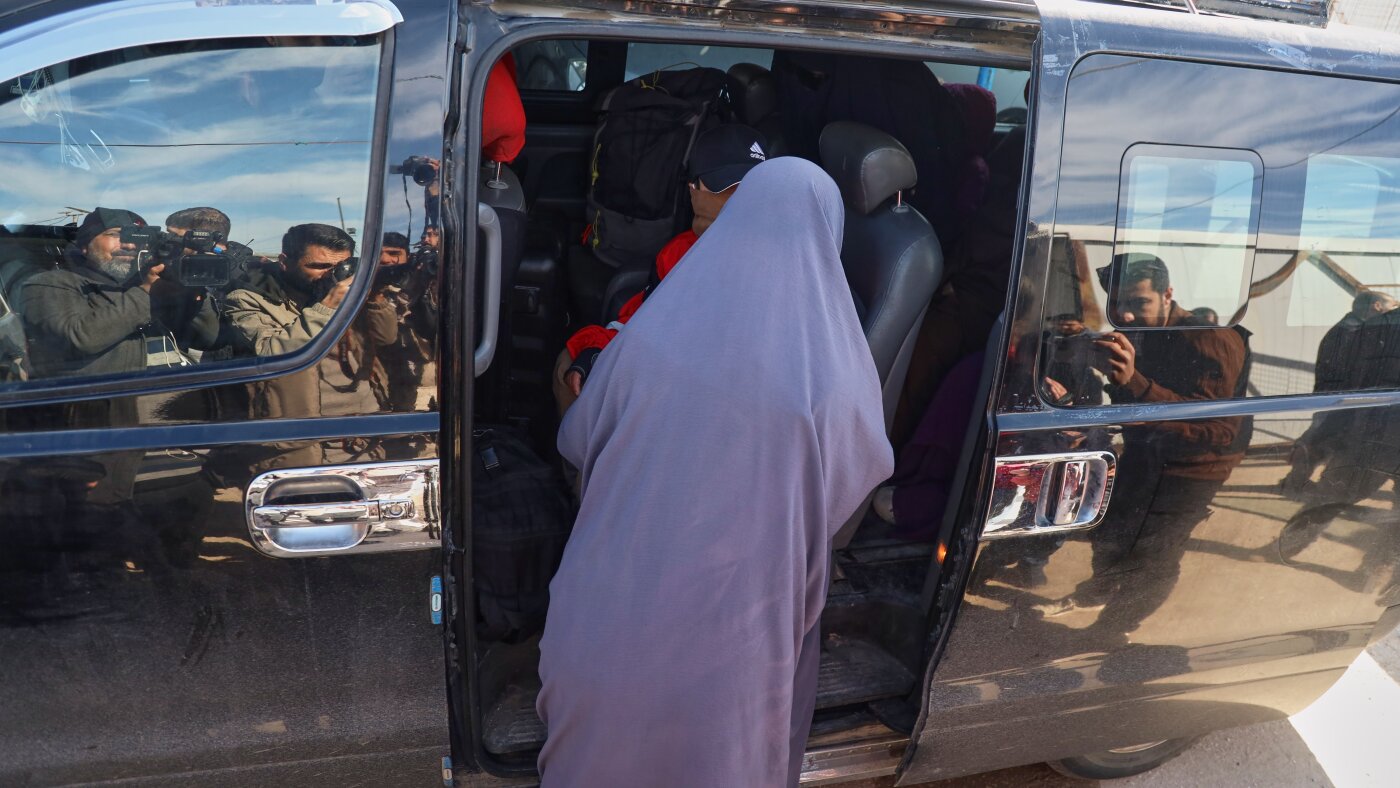
This article reports on the Australian government's decision to ban an Australian citizen with alleged ties to the Islamic State (IS) group from returning home from a Syrian detention camp. The unnamed woman was part of a group of 34 Australian nationals (comprising women and children) who attempted to leave the Roj camp in Syria and fly to Australia but were turned back by Syrian authorities due to procedural issues. The Australian government, citing national security concerns, issued a temporary exclusion order against the woman, preventing her from returning for up to two years. The Home Affairs Minister emphasized that the consequences faced by the children are the result of their parents' decisions to join IS. The government has previously repatriated some women and children from Syria, but in this instance, officials made it clear they would not assist in repatriating the current group. The incident highlights ongoing challenges around the repatriation of foreign nationals from former IS-held territories and the complex interplay of security, legal, and humanitarian considerations.
Biblical Reflection
From a scriptural perspective, this situation is deeply complex. Scripture teaches the inherent dignity and value of every person, including those who have made grave errors (Genesis 1:27, Luke 15:11-32). The government's responsibility to protect its citizens (Romans 13:1-4) must be balanced with the biblical call to justice, mercy, and care for the innocent—especially children who have found themselves victims of their parents’ choices (James 1:27). While the state is charged with upholding security and rule of law, believers are called to remember that even those who have gone astray are not beyond the reach of God's grace and redemption (Romans 5:8). The children in these camps are particularly vulnerable and bear the consequences of decisions they did not make; Jesus showed special care for children and the marginalized (Matthew 19:14). Christians are thus challenged to pray and advocate for policies that are both just and compassionate, seeking restoration where possible, while not minimizing the seriousness of evil or the need for accountability. Ultimately, this news invites reflection on the tension between justice, mercy, and national security, and the imperative to seek reconciliation and hope even in the darkest of situations.
Scripture in context
This outlook does not yet include contextual Scripture citations. Do not treat a general biblical theme as an exegetical conclusion.
Faithful Response
No prescribed response is offered. Consider the reflection prompts below in your own church context.
Reflection and Discussion
- 1How do I hold together the biblical call to justice and mercy when thinking about people who have made destructive choices?
- 2What is my responsibility, as a Christian, toward innocent children caught in the consequences of others’ sins?
- 3How can I pray for or advocate for policies that reflect both the need for security and the call to compassion?
Sources
Reporting links are evidence inputs; Sanctuary News' biblical reflection is commentary.
This outlook currently relies on fewer than two linked sources. Broaden verification before teaching from it.
- 1.Original reportprimary