News Summary
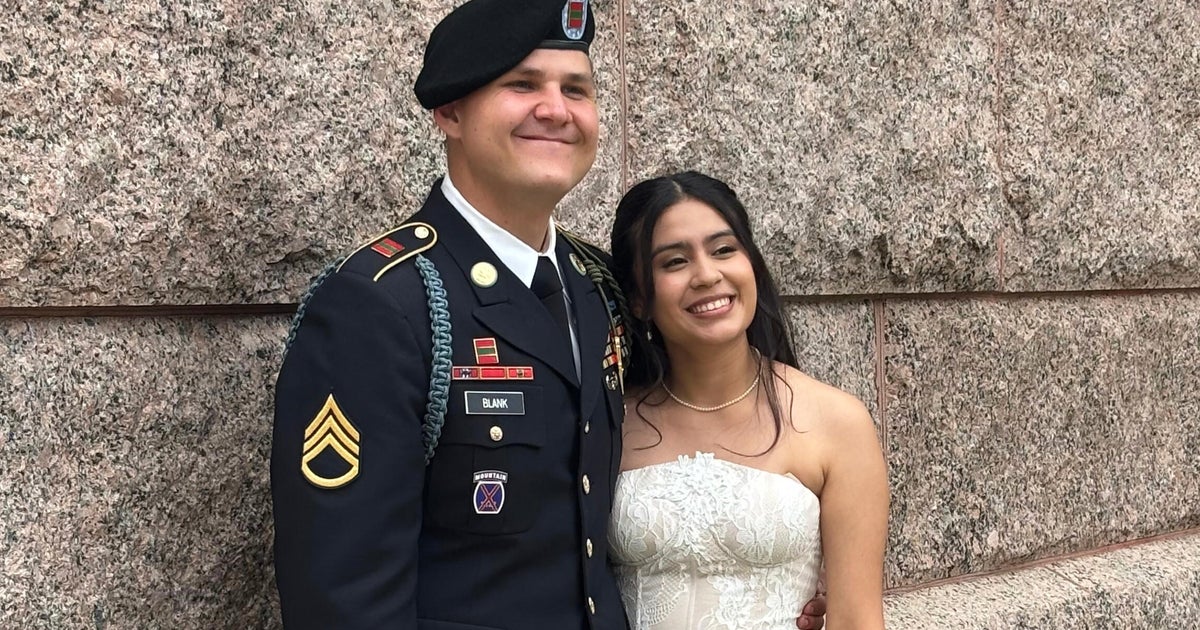
Annie Ramos, a 22-year-old who was born in Honduras and married U.S. Army Staff Sgt. Matthew Blank in March, was detained by federal immigration agents on Fort Polk, Louisiana, days after the couple brought her to the base to begin obtaining a military ID and spouse benefits. Ramos was released from immigration custody on order of supervision and fitted with a GPS monitor while she undergoes further removal proceedings. DHS said Ramos has a final order of removal stemming from her family’s failure to appear at an immigration hearing in 2005 and that she has no legal status; her 2020 DACA application remains unresolved. Advocates for military families, some lawmakers, and immigration experts criticized the detention as demoralizing and said prior DHS practice gave mitigating consideration to immediate family members of service members; DHS eliminated a 2022 policy last April that had listed military family status as a significant mitigating factor. The detention and release were reported by multiple outlets; DHS framed the action as enforcement of existing immigration laws, while advocates argue the enforcement undermines military morale and recruitment. The article notes broader context: ICE custody numbers reached a record high earlier in the year.
Biblical Reflection
This story raises a moral tension Christians often face: honoring the rule of law while responding with compassion to vulnerable people, especially families who serve the nation. The article presents verifiable facts (detention, release, legal history, policy change) alongside interpretive claims about administration intent and morale impact. Readers should note the difference between documented facts (dates, DHS statements, policy changes) and advocacy framing (calls of a "mass deportation agenda"), which interprets motive and consequence. Scripturally, God calls his people both to justice (fair application of law) and to mercy for the stranger and the afflicted. Christians should therefore be skeptical of simplistic narratives that place all culpability on one actor without evidence, while also holding government accountable when policies produce harm to families and community stability. The detention of a soldier’s spouse on a military installation particularly touches issues of covenantal trust between nation and those who serve; if policy changes erode predictable protections for military families, that has practical and moral implications for community well-being. In discernment, weigh the article’s sources and claims, pray for truth and fair process, and advocate reforms that protect due process and family stability without condoning unlawful entry.
Scripture in context
This outlook does not yet include contextual Scripture citations. Do not treat a general biblical theme as an exegetical conclusion.
Faithful Response
No prescribed response is offered. Consider the reflection prompts below in your own church context.
Reflection and Discussion
- 1Which statements in the article are straightforward facts (dates, statements from DHS, legal history) and which are interpretive or advocacy claims about motive and consequence?
- 2How should Christians balance respect for lawful process with calls for mercy and care for families, especially when those families are connected to national service?
- 3What responsibilities do civil authorities have to uphold both the law and the trust of those who serve, and how should believers evaluate policy changes that affect vulnerable people?
Sources
Reporting links are evidence inputs; Sanctuary News' biblical reflection is commentary.
This outlook currently relies on fewer than two linked sources. Broaden verification before teaching from it.
- 1.Original reportprimary