News Summary
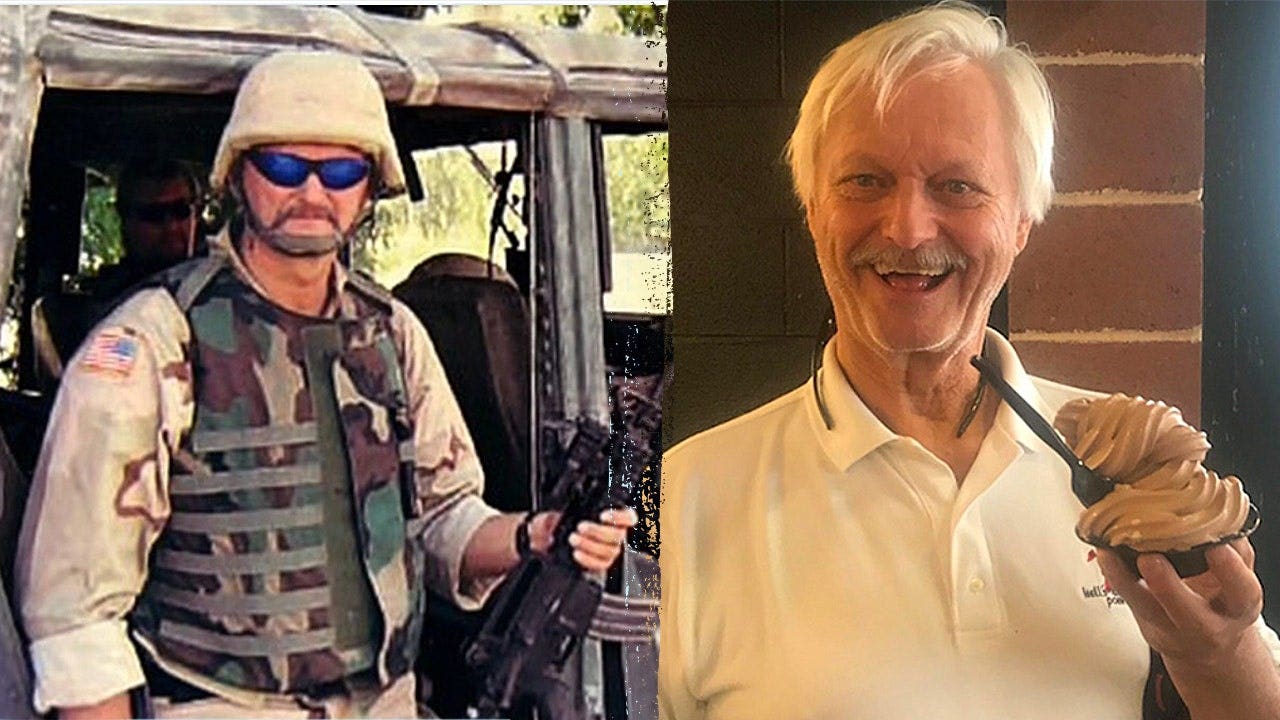
Jude Height, 71, a longtime U.S. Army biochemist who worked at Aberdeen Proving Ground’s Edgewood facility on nerve-agent research (including Novichok-related studies), died Sept. 9, 2022 at a home in Chester County, Pennsylvania after a vehicle rolled backward and struck him. The Chester County Coroner’s Office ruled the death an accident and listed cause as multiple blunt force injuries; that autopsy was performed based on circumstances provided by investigators. Initial police reporting stated the vehicle had been parked unoccupied overnight and that the car “rolled over (Height) two times.” In later sworn testimony, Height’s girlfriend — the only person present during the incident — gave different details: she said she had driven the car earlier that morning, saw Height already behind the vehicle and saw the car “bounce” as it moved; she did not confirm he ran after the car or that it went over him multiple times. Family members and former colleagues say the official account contains inconsistencies and have urged additional investigation. A second autopsy, requested by the family, reported injuries it described as “very strongly suspicious of homicidal violence coupled with an attempt to cover this as an accident,” noted injuries appearing to occur in multiple phases and referenced puncture-type injuries, but did not definitively determine manner of death. Height’s daughter has said she was not initially notified of his death and has been seeking records; local police agencies handled the initial response and Chester County detectives conducted the follow-up investigation. Separately, federal authorities and lawmakers are reviewing reports involving roughly 10–11 scientists connected to sensitive government research (including nuclear, aerospace and defense programs) after a mix of disappearances, confirmed homicides and unexplained deaths. The FBI told Fox News it is leading an effort to look for connections and is working with the Department of Energy, Department of Defense, and state and local partners; the White House says it is coordinating interagency efforts. Authorities have not publicly concluded that Height’s death is connected to any broader pattern.
Biblical Reflection
From a Christian perspective we should hold two responsibilities together: a hunger for truth and a commitment to just, measured response. The article documents factual reporting of a death, official findings, differences in testimony and a family-requested autopsy that raises unanswered questions. It also places the case within a larger federal review of scientists tied to sensitive research. Christians must resist both careless dismissal of legitimate concerns and the pull toward conspiratorial certainty when evidence is incomplete. Scripture calls us to seek justice, to love mercy, and to act with humility (Micah 6:8). That means supporting transparent, competent investigation, showing compassion to a grieving family who seeks answers, and avoiding sensational assumptions that substitute fear for due process. Media framing can amplify suspicion by emphasizing anomalous details and quotes that encourage inference beyond the facts reported; wise consumers should note where the article presents verified records versus opinion or speculation from colleagues and family. Spiritually, the case reminds Christians to pray for those who pursue truth and protect the vulnerable, to advocate for accountable institutions, and to guard hearts against cynicism that corrodes communal trust while still insisting on accountability where wrongdoing is suspected.
Scripture in context
This outlook does not yet include contextual Scripture citations. Do not treat a general biblical theme as an exegetical conclusion.
Faithful Response
No prescribed response is offered. Consider the reflection prompts below in your own church context.
Reflection and Discussion
- 1Are we distinguishing carefully between verified facts, reasonable questions raised by loved ones and colleagues, and unproven speculation — and how does that affect our response?
- 2What does faithful advocacy for truth and accountability look like when official findings and private autopsy results appear to conflict?
- 3How should Christians balance a healthy distrust of opaque institutions with the biblical call to avoid slander, false accusation, and rushes to judgment?
Sources
Reporting links are evidence inputs; Sanctuary News' biblical reflection is commentary.
This outlook currently relies on fewer than two linked sources. Broaden verification before teaching from it.
- 1.Original reportprimary