News Summary
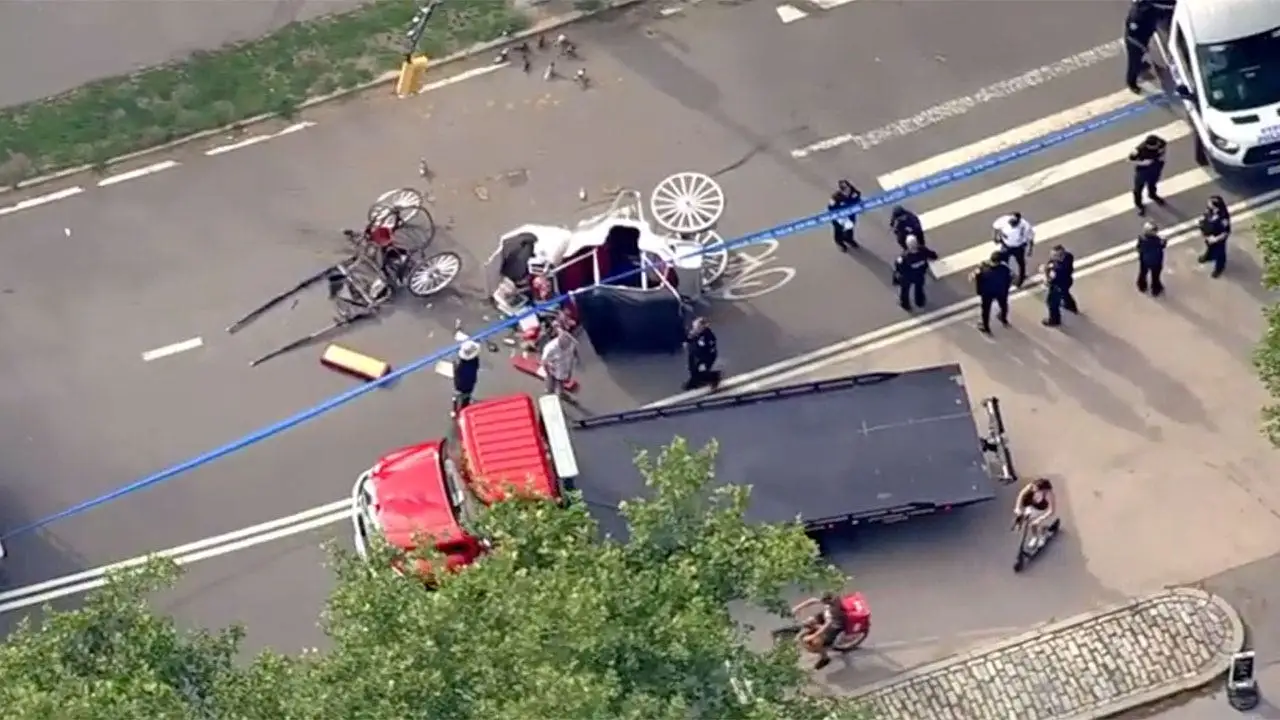
An 18-year-old visitor from India, Romanch Mahajan, died after a horse-drawn carriage in New York City's Central Park reportedly became spooked, bolted down West Drive, collided with another carriage, and flipped; witnesses and his father said Mahajan was fatally injured after falling while trying to help his mother. Video from the scene shows an overturned carriage; emergency responders attended the site. New Yorkers for Clean, Livable, and Safe Streets (NYCLASS) announced a vigil at Cherry Hill Fountain and said the city's proposed Ryder’s Law would be renamed Romanch’s Law. City Council members, including Chris Marte, renewed calls for passage of the bill and Council Speaker Julie Menin said a hearing will be held in July. Mayor Zohran Mamdani said he will work with stakeholders toward ending horse-drawn carriages in the park with a just transition for workers. Transport Workers Union Local 100 said it is developing new safety training protocols for roughly 200 carriage owners and drivers. Fox News Digital sought comment from the Conservancy, NYCLASS, NYPD, TWU Local 100, and Council Member Marte's office.
Biblical Reflection
The article reports a tragic death and the predictable policy and advocacy responses that follow. It centers legitimate grief and safety concerns while advancing calls to end an industry seen by advocates as unsafe for animals and people; it also notes steps toward worker safety training and promises of a ‘‘just transition.’’ As Christians we should grieve with the family, seek truth about what happened, and welcome safeguards that protect life. At the same time, we ought to be cautious of quick policy shifts driven primarily by outrage—faithful public responses pursue both mercy and justice, protecting vulnerable humans and animals while considering the livelihoods of workers who may be affected. The piece is broadly factual but reflects an advocacy frame (vigil, renaming of legislation) that foregrounds reform; readers should look for investigative follow-up about causes, regulatory gaps, and how proposed laws would be implemented before endorsing sweeping solutions.
Scripture in context
This outlook does not yet include contextual Scripture citations. Do not treat a general biblical theme as an exegetical conclusion.
Faithful Response
No prescribed response is offered. Consider the reflection prompts below in your own church context.
Reflection and Discussion
- 1Who is centered in the story—victims, animals, workers, or policymakers—and how does that shape public sympathy and policy momentum?
- 2Are proposed responses balancing immediate safety needs, animal welfare, and the economic reality of drivers and owners, or are they primarily symbolic?
- 3What additional facts (investigations, equipment standards, operator training records) would help move from reaction to wise, effective policy?
Sources
Reporting links are evidence inputs; Sanctuary News' biblical reflection is commentary.
This outlook currently relies on fewer than two linked sources. Broaden verification before teaching from it.
- 1.Original reportprimary