News Summary
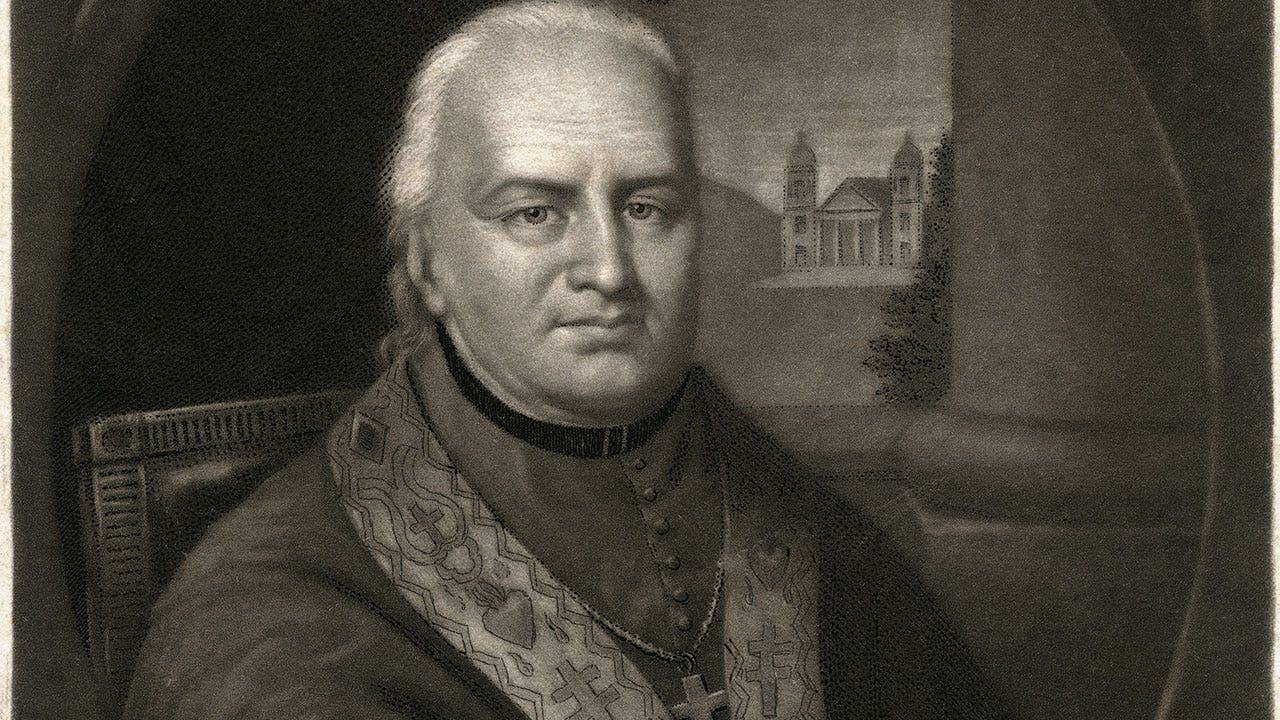
On March 15, 1790, Bishop John Carroll and several American Catholic leaders (including Charles Carroll of Carrollton, Daniel Carroll, and Thomas FitzSimons) sent an address to President George Washington asking that Catholics be assured equal rights of citizenship in the new republic. At the time the Vatican had just established the U.S. Diocese of Baltimore (1789) and Carroll was consecrated in 1790. The letter noted Catholics’ service in the Revolutionary War and asked that the promises of independence apply to them. Washington replied, thanking Catholics for their patriotic service and affirming that, as long as citizens obey laws and fulfill their civic duties, religious belief should not exclude anyone from full participation — a stance consistent with Article VI’s prohibition on religious tests for federal office. The original Carroll letter and Washington’s reply are preserved among the George Washington Papers at the Library of Congress; historians quoted in the article (Library of Congress acting chief Kevin Butterfield, historians Michael Breidenbach and Catherine O’Donnell) interpret the exchange as evidence that early national leadership publicly affirmed religious inclusion even while anti-Catholic prejudice persisted in parts of the country.
Biblical Reflection
This exchange illustrates a foundational Christian and civic truth: persons of faith sought and were recognized as full members of the political community. The article is largely factual and draws on primary documents; its emphasis on Catholic contribution corrects common oversimplifications that the nation’s founding was monolithically Protestant or secular. At the same time, the piece selectively highlights a hopeful instance of federal leadership while briefly acknowledging that state-level discrimination continued for decades — a reminder that legal pronouncements and lived realities can diverge. From a pastoral perspective, the exchange calls Christians to pursue faithful witness without insisting faith should determine civic belonging, to defend religious liberty for all, and to press public leaders to speak plainly for inclusion and justice. The article’s underlying worldview affirms national unity, the authority of civic law, and the conviction that faith communities rightly expect equal civic standing.
Scripture in context
This outlook does not yet include contextual Scripture citations. Do not treat a general biblical theme as an exegetical conclusion.
Faithful Response
No prescribed response is offered. Consider the reflection prompts below in your own church context.
Reflection and Discussion
- 1How does this primary-source exchange change the way you think about the founders’ commitments to religious liberty and the role of minority faiths in early America?
- 2What assumptions do we carry today when we claim any single religious tradition 'defined' the nation’s founding, and how should historical nuance shape public conversation?
Sources
Reporting links are evidence inputs; Sanctuary News' biblical reflection is commentary.
This outlook currently relies on fewer than two linked sources. Broaden verification before teaching from it.
- 1.Original reportprimary