News Summary
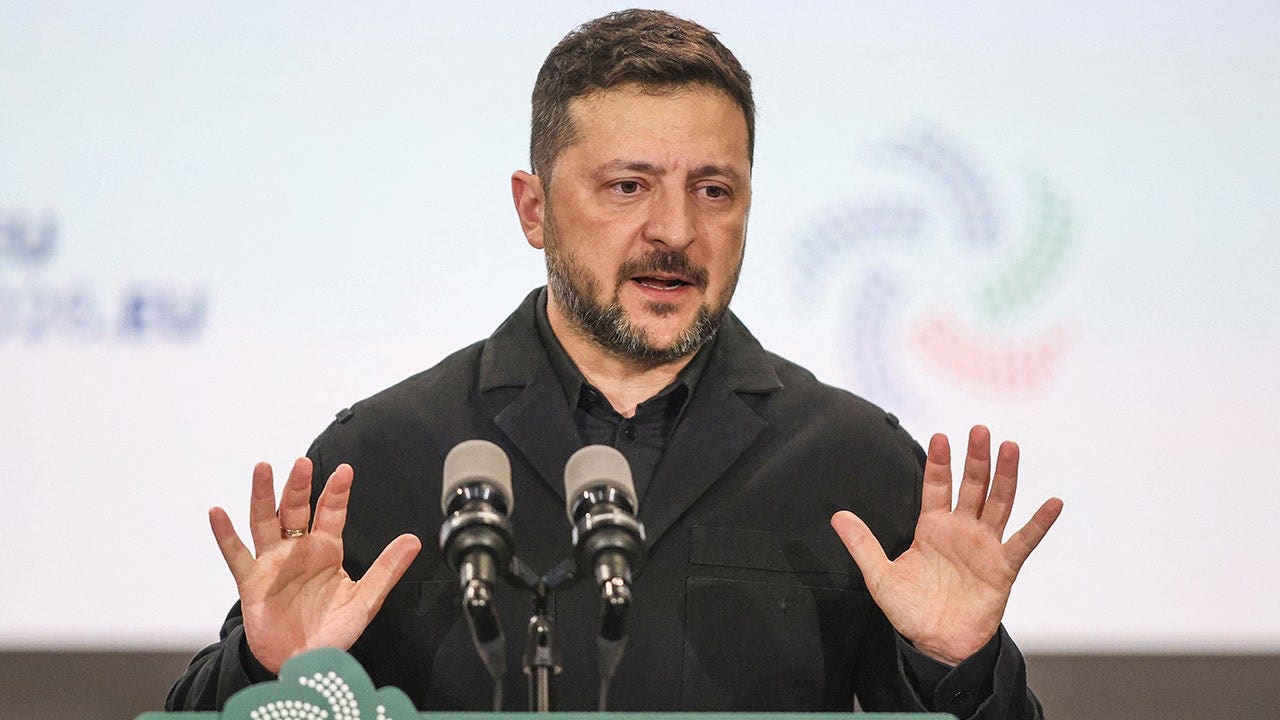
Ukrainian President Volodymyr Zelenskyy publicly urged the United States and European allies to provide more interceptor missiles and other air-defense supplies after reporting a large Russian attack on Kyiv consisting of 68 missiles and 351 attack drones. Zelenskyy said Ukrainian forces intercepted drones and cruise missiles but lacked enough interceptors to stop Russian ballistic missiles, and he asked NATO leaders meeting in Ankara to adopt “strong decisions” in support of Ukraine’s air defense. The article notes President Donald Trump will attend the NATO summit and includes a reference to diplomatic engagements expected at the summit, including a dinner involving multiple leaders. Reporting cites Zelenskyy’s social-media post and references Reuters for the summit details.
Biblical Reflection
Zelenskyy’s appeal is consistent with a government seeking to protect civilians and critical infrastructure amid sustained attacks; requests for more interceptors are a concrete, immediate security need rather than abstract rhetoric. From a Christian pastoral perspective, the plea appeals to the responsibility to defend innocent life and to pursue justice for the vulnerable. At the same time, the story sits inside layered worldviews: one prioritizes urgent military support to prevent civilian deaths, another warns that deeper reliance on arms can prolong conflict and raise risks of escalation. Media framing that emphasizes dramatic numbers or links the plea to partisan actors can skew attention toward spectacle rather than the human cost. Christians should evaluate the report for factual grounding (numbers and operational claims come from Ukrainian sources and should be corroborated), for the ethic beneath the ask (protecting civilians is morally weighty), and for prudential urgency — we must care about both defending the vulnerable and pursuing avenues for durable peace. The call for weapons does not automatically preclude diplomatic or humanitarian initiatives; wisdom calls for holding both concerns together: courage to protect, humility in our limits, mercy toward suffering, and relentless pursuit of a just peace.
Scripture in context
This outlook does not yet include contextual Scripture citations. Do not treat a general biblical theme as an exegetical conclusion.
Faithful Response
No prescribed response is offered. Consider the reflection prompts below in your own church context.
Reflection and Discussion
- 1Whose security and suffering are centered in this account — combatants, civilians, or geopolitical interests — and how does that shape our judgment?
- 2Does focusing attention on military supplies make it harder to hold visible the parallel need for diplomacy, humanitarian aid, and long-term reconciliation?
- 3How might partisan framing of military support (e.g., linking it to particular leaders or parties) obscure the basic moral question of protecting civilian life?
Sources
Reporting links are evidence inputs; Sanctuary News' biblical reflection is commentary.
This outlook currently relies on fewer than two linked sources. Broaden verification before teaching from it.
- 1.Original reportprimary