News Summary
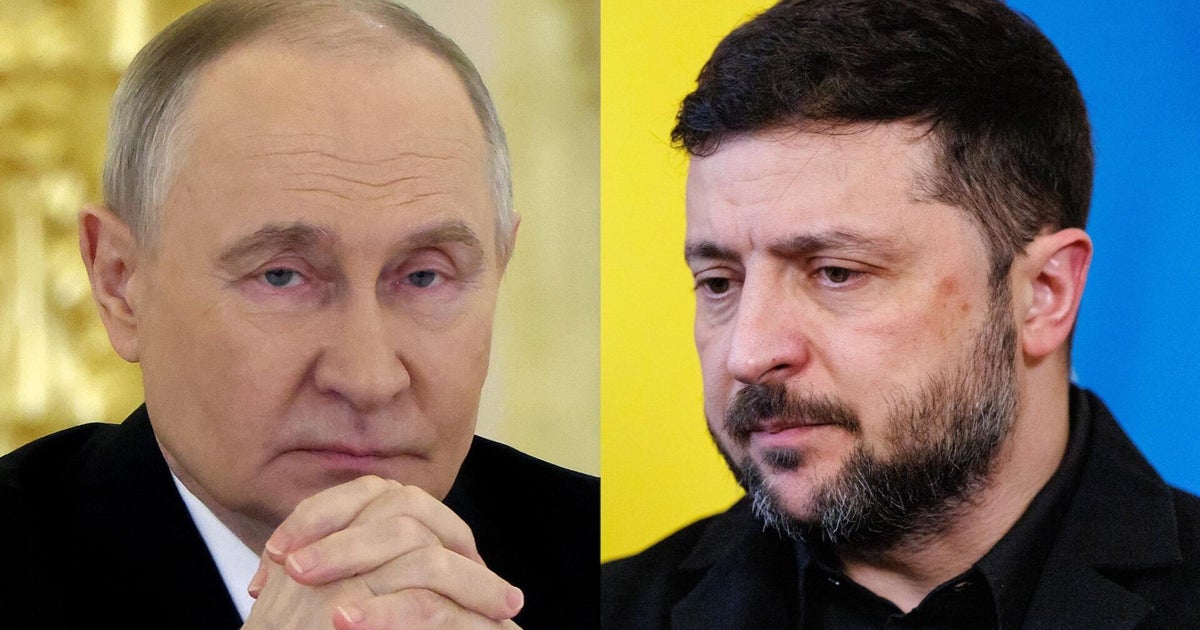
Ukrainian President Volodymyr Zelenskyy announced that Ukraine and U.S. officials are close to finalizing a 'very workable' peace plan with the goal of ending the nearly four-year war with Russia. The plan, discussed in Berlin, still has unresolved issues—especially regarding the status of Ukrainian territories currently occupied by Russian forces. Russia, represented by President Putin and Kremlin spokesman Dmitry Peskov, insists on a comprehensive peace deal rather than a temporary truce and demands recognition of all seized territories, including Crimea, as Russian. The U.S. has coordinated with European partners and Ukraine, achieving consensus on most of the plan, but significant hurdles remain, particularly territorial disputes. Kyiv refuses to recognize Russian control over any part of the Donbas region. If diplomacy fails, Ukraine expects more Western sanctions and military aid. There is broad unity among the U.S., Europe, and Ukraine in pushing for peace, while calls for justice for Russian war crimes and the return of abducted Ukrainian children remain central to Ukraine's position.
Biblical Reflection
From a biblical perspective, the pursuit of peace is commendable and aligns with Christ's teachings: 'Blessed are the peacemakers, for they will be called children of God' (Matthew 5:9). The desire to resolve conflict through negotiation rather than continued violence is a step toward the biblical ideal of reconciliation and justice. However, the unresolved issues over land and justice for past wrongs underscore the deep wounds of war and the complexities of true peace. Scripture calls for both justice and mercy—peace that ignores justice for victims or fails to address truth is incomplete (Micah 6:8). The unity among nations in seeking peace is encouraging, yet the temptation for political expediency or compromise at the expense of the vulnerable (such as abducted children or those under occupation) is a sobering reminder of the fallen nature of international politics. Christians are called to pray for a peace that is not merely the absence of war, but the presence of righteousness, reconciliation, and restoration (Isaiah 32:17).
Scripture in context
This outlook does not yet include contextual Scripture citations. Do not treat a general biblical theme as an exegetical conclusion.
Faithful Response
No prescribed response is offered. Consider the reflection prompts below in your own church context.
Reflection and Discussion
- 1How can we pray and advocate for a peace that is both just and merciful in conflicts like Ukraine's?
- 2In what ways might political solutions fall short of the biblical vision for true reconciliation and healing?
- 3How do we, as followers of Christ, respond to the suffering of innocent people in situations of ongoing conflict?
Sources
Reporting links are evidence inputs; Sanctuary News' biblical reflection is commentary.
This outlook currently relies on fewer than two linked sources. Broaden verification before teaching from it.
- 1.Original reportprimary