News Summary
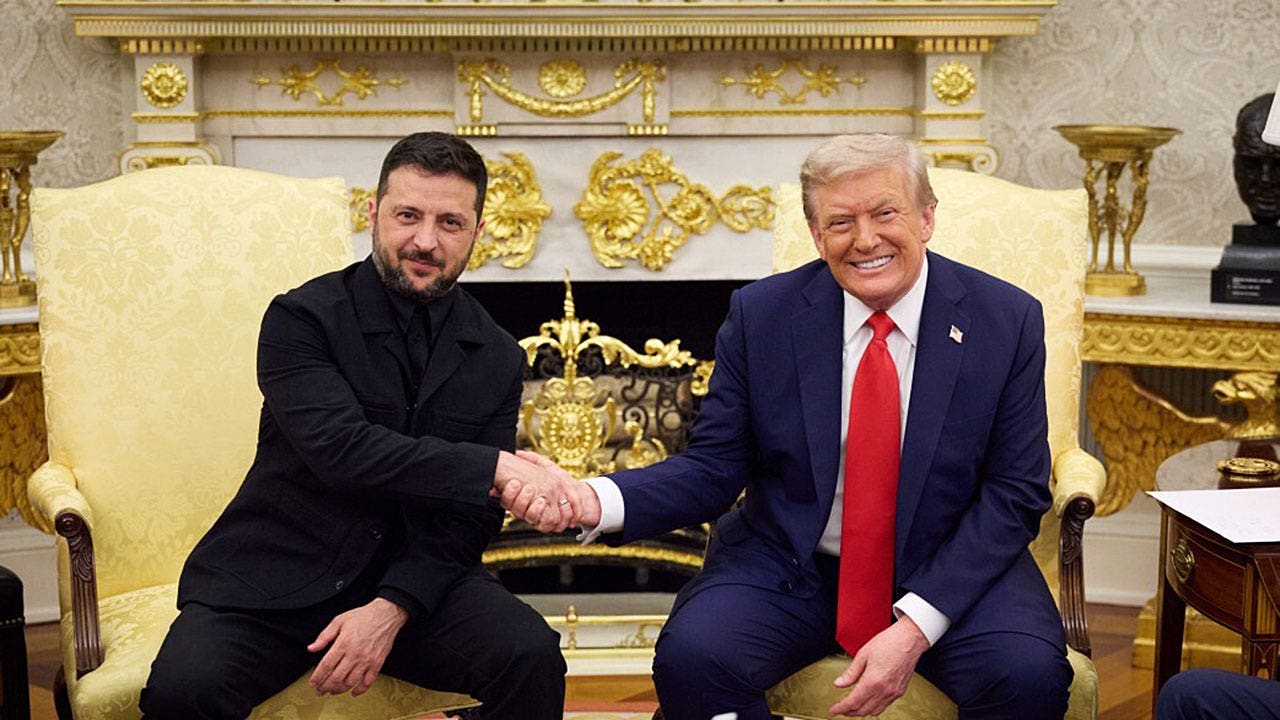
Ukrainian President Volodymyr Zelenskyy has confirmed that he will meet with President Donald Trump this Sunday, likely to discuss security guarantees and ongoing peace negotiations between Ukraine and Russia. The meeting comes amid reports of progress in peace talks, with a 20-point plan being discussed, down from the original 28 points proposed by Trump. Zelenskyy has had recent positive discussions with NATO Secretary General Mark Rutte, as well as U.S. officials Jared Kushner and Steve Witkoff, centering on efforts to end the war and ensure lasting peace. Despite these diplomatic efforts, Russian forces continue military actions, including a recent missile strike on Odesa. The Kremlin has described recent talks as constructive. The White House has not commented on the planned meeting.
Biblical Reflection
From a biblical perspective, the prospect of leaders meeting to discuss peace, especially amidst ongoing violence, aligns with the scriptural call to pursue peace and reconciliation (Matthew 5:9). The commitment to dialogue and the reduction of demands in negotiations reflect a willingness to compromise for the greater good, which resonates with the biblical virtues of humility, peacemaking, and seeking justice (Micah 6:8). However, the ongoing violence and loss of life amidst these talks serve as a sobering reminder of the fallen nature of our world and the limitations of human efforts. Scripture calls us to pray for those in authority (1 Timothy 2:1-2) and to long for a peace that surpasses human understanding, while also holding leaders accountable to act with righteousness and compassion. True peace is more than the absence of conflict; it is the restoration of relationships and justice. While these negotiations are a hopeful sign, Christians are reminded to pray for genuine reconciliation, protection of the innocent, and wisdom for all leaders involved.
Scripture in context
This outlook does not yet include contextual Scripture citations. Do not treat a general biblical theme as an exegetical conclusion.
Faithful Response
No prescribed response is offered. Consider the reflection prompts below in your own church context.
Reflection and Discussion
- 1How can I be a peacemaker in my own relationships and community, even when reconciliation seems difficult?
- 2What does it mean to pray for our leaders, especially when they are making decisions that impact peace and justice?
- 3How can I maintain hope for peace in a world where violence and conflict persist?
Sources
Reporting links are evidence inputs; Sanctuary News' biblical reflection is commentary.
This outlook currently relies on fewer than two linked sources. Broaden verification before teaching from it.
- 1.Original reportprimary