News Summary
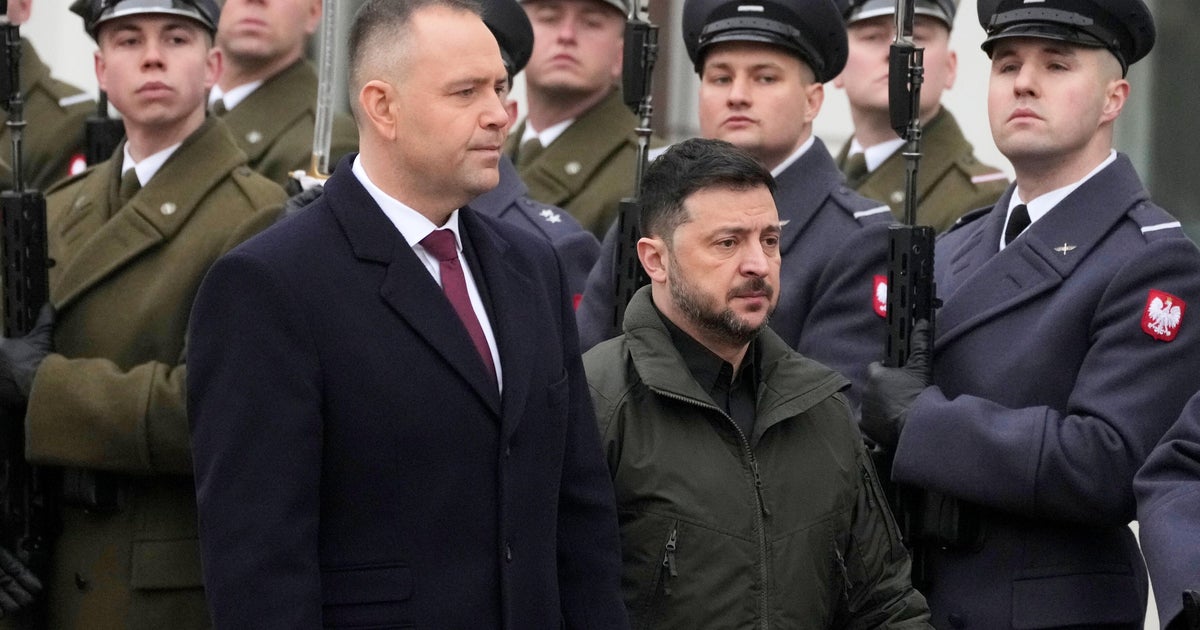
Polish President Karol Nawrocki revoked the Order of the White Eagle that former Polish President Andrzej Duda had awarded to Ukrainian President Volodymyr Zelenskyy in 2023. The revocation followed Zelenskyy's May 26 decree naming a unit of Ukraine's Special Operations Forces after the Ukrainian Insurgent Army (UPA), a formation accused in Poland of committing mass killings of Polish civilians during World War II. In response to the revocation, Zelenskyy posted that he had returned the Order to the Polish presidential office and expressed pride in Ukrainians and Ukrainian soldiers while saying he remained open to resolving historical differences. Polish officials and public opinion reacted with criticism; Polish President Nawrocki described the UPA primarily as responsible for crimes against Poles, while other Polish leaders urged de-escalation. Ukrainian officials called Poland's move unfriendly and warned Russia could exploit the dispute; several Ukrainian officials said they would return Polish honors. Some Ukrainians criticized returning the honors as an unhelpful response. The article notes prior progress between Poland and Ukraine on historical reconciliation, including cooperation on exhumations and a 2016 Polish parliamentary recognition of crimes by the UPA as genocide, while also noting rising anti-Ukrainian sentiment in parts of Poland and Nawrocki's nationalist politics.
Biblical Reflection
This story exposes how unresolved historical wounds can become leverage in present-day politics and strain alliances between neighboring nations. The naming decision, the revocation, and the returns of honors are all political acts tied to memory, identity, and electoral pressure as much as to moral judgment about past crimes. The article largely reports factual actions (the decree, the revocation, the return of the medal) and cites relevant context (accusations against the UPA, Poland's 2016 parliamentary finding), but it also includes interpretive claims (for example, that Nawrocki exploited anti‑Ukrainian sentiment) that reflect particular judgments and should be weighed against other sources. From a Christian pastoral perspective, truth-telling about historical wrongdoing and care for victims are essential, as is humility before complex histories. At the same time, Christians should be wary of quick symbolic reprisals that harden divisions or feed political posturing. The public discussion needs both justice for victims and a patient, honest pursuit of reconciliation—rooted in facts, remorse where warranted, and protections for the vulnerable. Leaders on both sides bear a responsibility to prioritize peace, truthful remembrance, and the common good over short-term political advantage.
Scripture in context
This outlook does not yet include contextual Scripture citations. Do not treat a general biblical theme as an exegetical conclusion.
Faithful Response
No prescribed response is offered. Consider the reflection prompts below in your own church context.
Reflection and Discussion
- 1When historical memory is contested, who benefits when leaders use symbolic acts for political gain rather than for honest reckoning?
- 2How can Christians hold both the need to remember victims and the call to pursue reconciliation without minimizing either?
Sources
Reporting links are evidence inputs; Sanctuary News' biblical reflection is commentary.
This outlook currently relies on fewer than two linked sources. Broaden verification before teaching from it.
- 1.Original reportprimary