News Summary
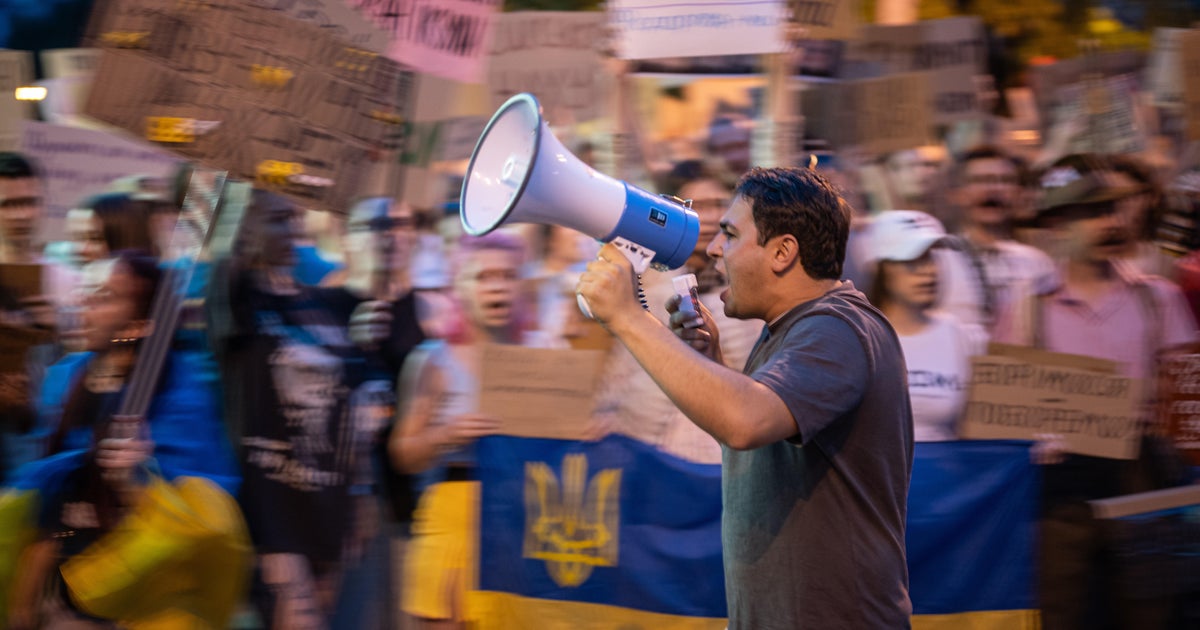
Facts: CBS News reports that Ukrainian President Volodymyr Zelenskyy announced he will replace the commander-in-chief of the armed forces. The report notes this occurred amid a broader government 'shakeup' and after days of protests. Attributions: Those details come from the CBS News article supplied. Uncertainty: The article does not name the outgoing or incoming commander-in-chief, does not quote an official presidential statement, and gives no specifics on the protests' size, locations, demands, or their direct connection to the personnel decision.
Source and Framing Analysis
The supplied report is brief and framed to link protests and a 'government shakeup' to the replacement of the armed forces' top commander. That framing can lead readers to infer a direct causal link, but the article does not provide documentary evidence or direct quotations to establish motive, timing, or the names involved. The single-source report provides limited context (no official statements quoted, no named sources, and no operational details), leaving material gaps that affect how confidently readers can interpret the significance of the move.
Biblical Reflection
A leadership change in the middle of a national conflict raises immediate questions of stewardship, accountability, and the moral burden leaders carry for the lives of soldiers and civilians. Christians should evaluate such news by seeking truth, resisting partisan rushes to judgment, and praying for clarity for those who lead. The short report points to public unrest (protests) and an executive decision; an ethic shaped by Scripture calls Christians to hold leaders accountable while also praying for their wisdom and for peace that protects the vulnerable.
We should be cautious about assuming motive from headlines: 'shakeup' and the timing after protests may imply causation, but the report lacks details. As followers of Christ we practice humility—acknowledging what we do not know—while advocating for justice, the rule of law, and the protection of civilians in wartime. We also remember that leadership changes can affect morale and strategy; so we ought to pray for those serving in the armed forces and for leaders to act with prudence and courage for the common good.
Scripture in context
- 1Proverbs 11:14 — In its historical and literary setting, Proverbs offers short sayings about wisdom for individuals and communities; this verse emphasizes the need for good counsel or many advisers to avoid ruin. — When nations change leadership—especially in crisis—seeking wise counsel and multiple perspectives helps prevent rash decisions that endanger others; Christians should pray for and advocate for leaders to surround themselves with wise, ethical advisers.
- 2Romans 13:1-7 — Paul's letter to Christians in Rome addresses how believers live under governing authorities in a hostile imperial setting, encouraging respect for lawful authority while also recognizing limits to obedience where God’s commands conflict. — Christians are called to respect legitimate governance and pray for rulers while also holding leaders accountable to justice and protecting vulnerable neighbors; this balance matters when evaluating wartime leadership changes.
Faithful Response
Pray specifically for Ukraine's civic and military leaders, for protesters, and for civilians affected by the conflict.
Seek reliable, multiple sources before forming firm judgments; avoid sharing unverified claims that inflame tensions.
Support practical humanitarian relief for those harmed by instability and advocate for policies that protect civilians and refugees.
Practice humility in public conversation—acknowledge unknowns and resist simplifying complex military and political decisions into partisan narratives.
Reflection and Discussion
- 1How does Scripture shape my discernment when official explanations are incomplete or absent?
- 2In responding to political or military leadership changes, where should compassion for victims and accountability for leaders be balanced?
- 3Am I willing to hold multiple tensions at once—support for national defense, concern for civilian harm, and critique of leadership failures—without succumbing to partisan simplification?
Sources
Reporting links are evidence inputs; Sanctuary News' biblical reflection is commentary.
This outlook currently relies on fewer than two linked sources. Broaden verification before teaching from it.
- 1.Zelenskyy replaces Ukraine's top general after days of protestsprimary_reporting