News Summary
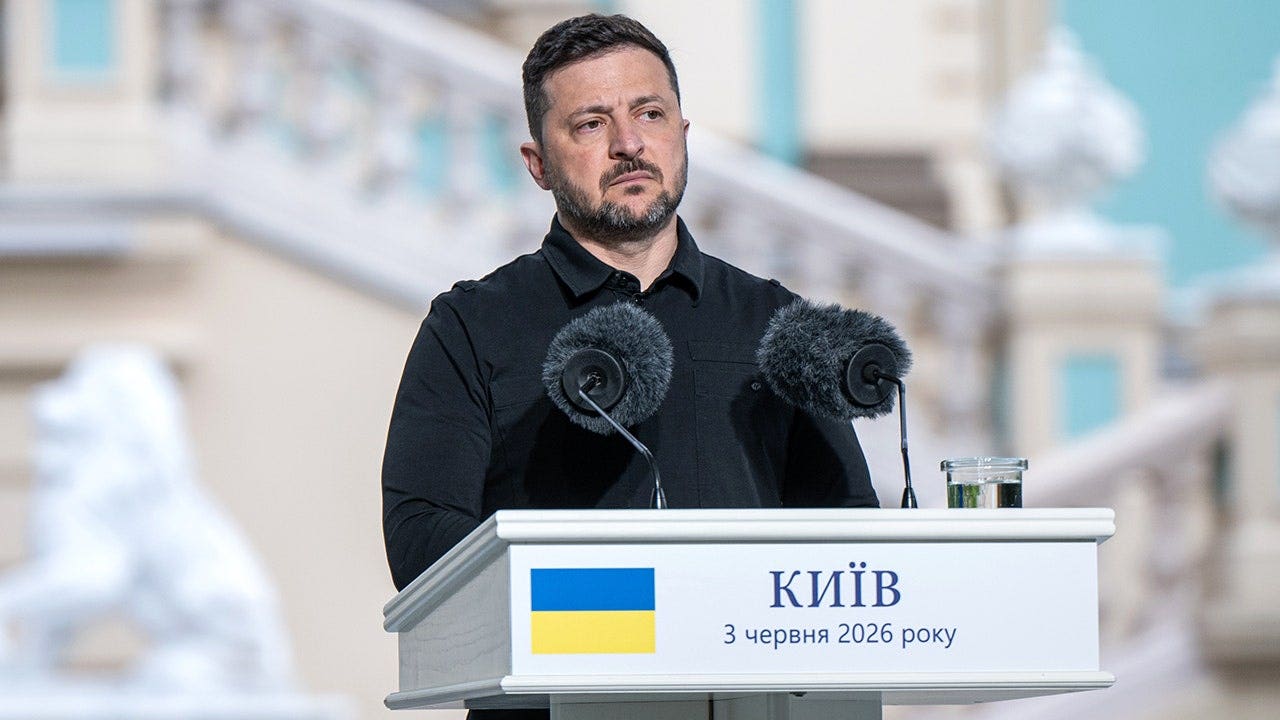
Ukrainian President Volodymyr Zelenskyy published an open letter to Russian President Vladimir Putin proposing a personal meeting to negotiate an end to the multi-year Russia–Ukraine war. Zelenskyy said the United States is currently focused on Iran and urged not to wait until global attention returns to Europe. He proposed third-party hosts (Switzerland, Türkiye, Arab states) and invited Europe and the U.S. to participate as guarantors to help shape a new regional security architecture. Zelenskyy offered a full ceasefire for the duration of negotiations, proposed an "all-for-all" prisoner exchange, and called for steps to return civilians and children taken during the war. He warned that if Putin does not conclude it is time to end the war, Ukraine will continue fighting and that prolonged strain could bring change within Russia. The article was reported from Lviv and places Zelenskyy’s proposal in the context of four years of conflict and ongoing domestic strains in Ukraine.
Biblical Reflection
Zelenskyy’s public invitation reflects a sincere political effort to pursue a negotiated end to widespread suffering. From a Christian perspective, seeking peace and protecting civilians are consistent with biblical care for neighbor and pursuit of justice. At the same time, prudence is required: negotiations with an aggressor can be used tactically, may risk concessions that leave injustices unresolved, or be exploited for propaganda. The article mainly reports Zelenskyy’s proposal and includes contextual framing (U.S. focus on Iran) that can shape reader perception of timing and leverage. Christians should welcome genuine efforts toward peace while insisting that talks aim for security, truth, restitution for the harmed, and safeguards against renewed aggression. The call for third‑party guarantors and concrete measures (ceasefire, prisoner returns) shows attention to accountability; however, the ultimate outcome depends on the trustworthiness and intentions of the negotiating parties and guarantors. Prayerful discernment, honest assessment of power dynamics, and a commitment to both mercy and justice best reflect Christian virtue in response to this development.
Scripture in context
This outlook does not yet include contextual Scripture citations. Do not treat a general biblical theme as an exegetical conclusion.
Faithful Response
No prescribed response is offered. Consider the reflection prompts below in your own church context.
Reflection and Discussion
- 1Does the pursuit of a speedy diplomatic settlement risk sidelining accountability for wartime harms, and how should Christians weigh peace against justice?
- 2Who are credible guarantors for a lasting settlement, and can international guarantees be trusted to protect the weak?
- 3How can Christians support efforts for negotiation while remaining clear-eyed about the motives and potential uses of talks by authoritarian leaders?
Sources
Reporting links are evidence inputs; Sanctuary News' biblical reflection is commentary.
This outlook currently relies on fewer than two linked sources. Broaden verification before teaching from it.
- 1.Original reportprimary