News Summary
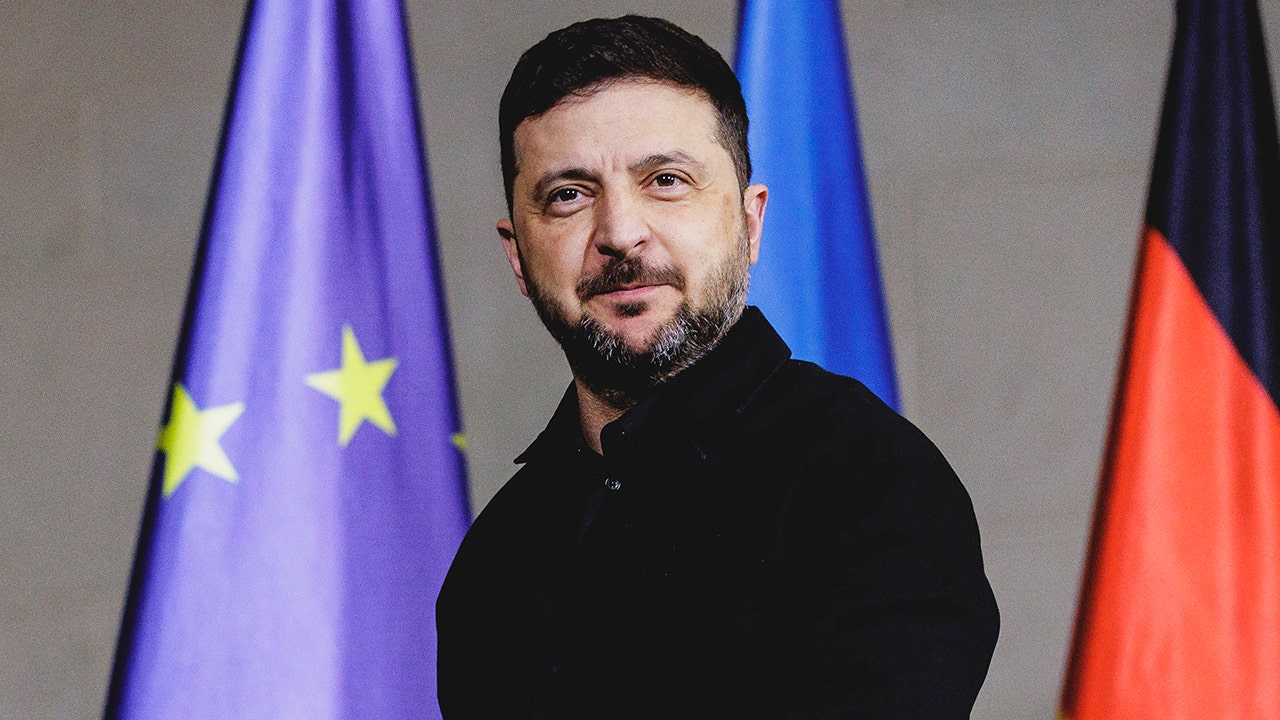
Ukrainian President Volodymyr Zelenskyy has called on the United States and other Western allies to respond decisively to what he describes as clear signals from Moscow indicating Russia's intent to escalate or continue war into the next year. Zelenskyy asserts that diplomatic overtures from Russia are a façade, merely masking a desire to destroy Ukraine and claim its territory. He urges partners, particularly the U.S., to recognize this mindset and act with courage, implementing security, financial, and political measures to protect Ukraine. Russian President Vladimir Putin, meanwhile, reiterated his country's goals in the conflict, stating they will be achieved either through diplomacy or military force and referencing the creation of a security buffer zone. U.S. politicians, such as Rep. Don Bacon, argue that stronger military support for Ukraine may force Russia toward peace. There is also mention of ongoing U.S. efforts, including those led by the Trump administration, to broker peace between the two nations.
Biblical Reflection
From a biblical perspective, this article highlights the tragic reality of ongoing conflict and the temptations of power, pride, and territorial ambition. Scripture consistently calls for peacemaking, justice, and humility (Matthew 5:9; Micah 6:8). When leaders escalate rhetoric or prioritize national interests above human life, it contradicts the biblical command to love one's neighbor and seek the good of all (Luke 10:25-37). While governments are tasked with protecting their people (Romans 13:1-4), Christians are reminded that true security and justice come not from weapons or alliances, but from God. The dangers of unchecked aggression, deceitful diplomacy, and reliance on military might are repeatedly warned against in Scripture (Psalm 20:7; Isaiah 2:4). Followers of Christ are called to pray for wisdom for leaders, comfort for the afflicted, and the softening of hearts toward genuine peace, not merely the absence of war. The Christian response should be to seek truth, advocate for justice, and call for a peace that honors the dignity and lives of all people, resisting the temptation to dehumanize or demonize opponents.
Scripture in context
This outlook does not yet include contextual Scripture citations. Do not treat a general biblical theme as an exegetical conclusion.
Faithful Response
No prescribed response is offered. Consider the reflection prompts below in your own church context.
Reflection and Discussion
- 1How do I respond when I see nations or leaders choosing conflict over reconciliation?
- 2In what ways can I be a peacemaker, even when the world seems intent on division and war?
- 3Am I praying for the wisdom and humility of world leaders, or am I only concerned with my own nation's interests?
Sources
Reporting links are evidence inputs; Sanctuary News' biblical reflection is commentary.
This outlook currently relies on fewer than two linked sources. Broaden verification before teaching from it.
- 1.Original reportprimary